 Living Beings
Compare species
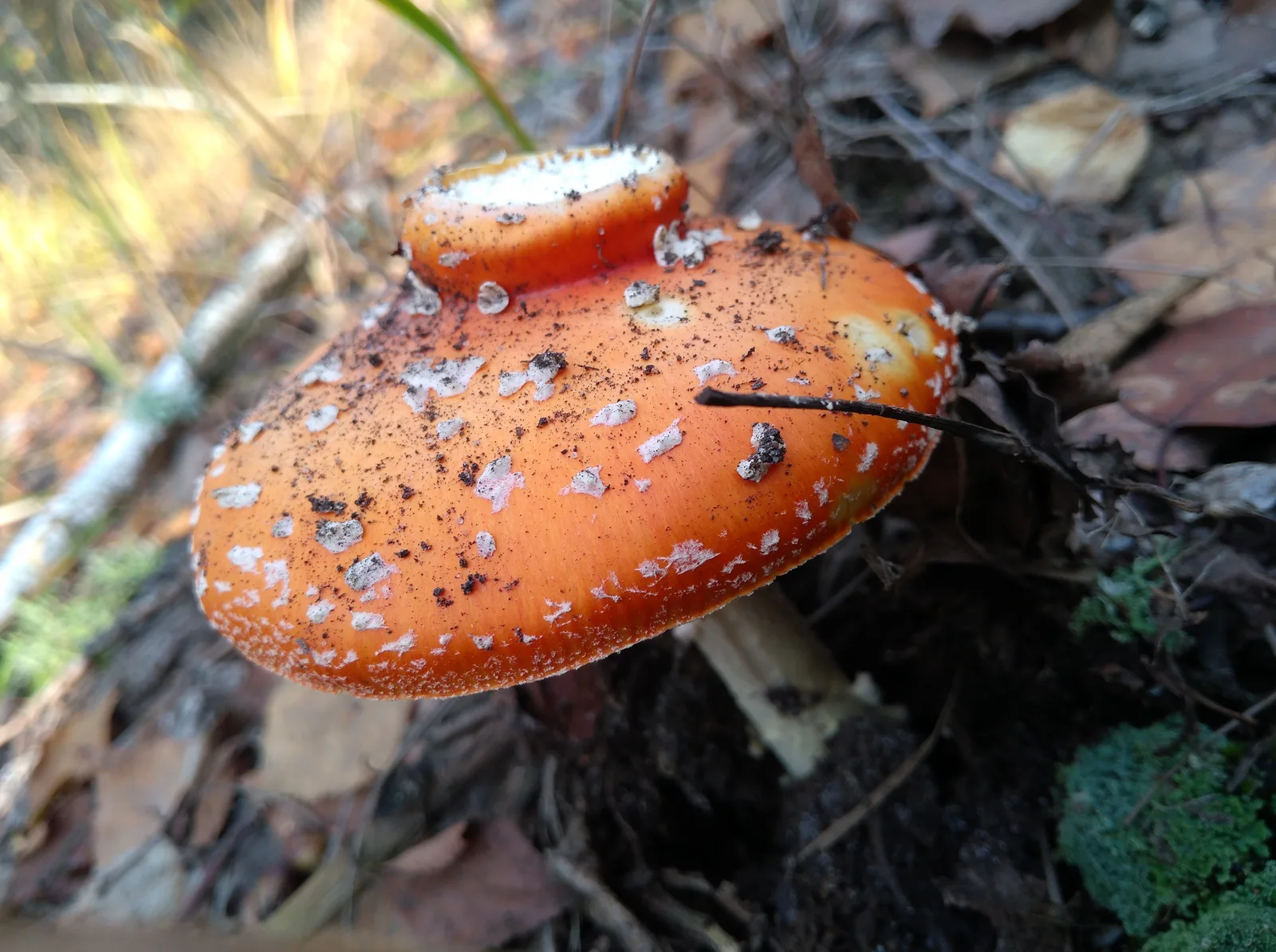
Fly Agaric
Amanita muscaria
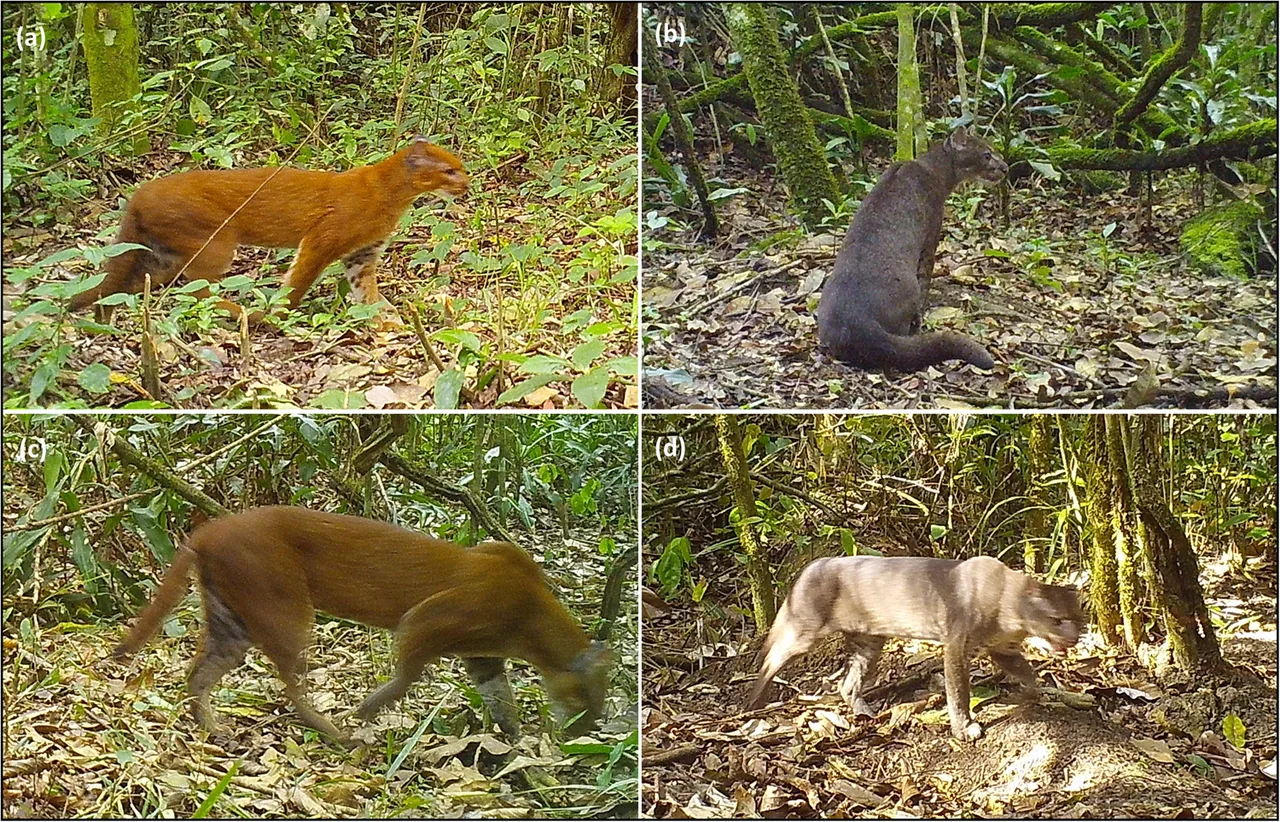
African Golden Cat
Caracal auratus
How to compare two organisms
Choose two species and trace their closest shared group. Then compare a trait with the same definition on each side. Check the units, life stage and context before interpreting a measurement or range.
Missing data means that the collection lacks a sourced value. Where a characteristic does not apply to a lineage, the comparison labels it separately. Open the two profiles for context and follow their sources before drawing a conclusion.
Evidence from the profiles
Compare their characteristics
| Trait | Fly Agaric | African Golden Cat |
|---|---|---|
| Physical traits | A pale stem supports free, crowded white gills and a cap that changes shape as it expands. A ring and a swollen stem base are important features beyond the cap color alone. | The body is robust and the coat varies between reddish and grayish forms. Spotting can be more visible on some parts of the body. |
| Habitat and range | It grows in association with trees, forming ectomycorrhizal partnerships rather than simply decomposing a fallen log. | Dense African forest and secondary growth provide cover and hunting habitat. |
| Diet and nutrition | The fungus receives carbon from a plant partner through its mycorrhizal association. Its soil mycelium participates in the exchange of resources. | Rodents and other forest mammals are important prey. Birds and additional small animals may also be taken. |
| Behavior and activity | Data unavailable | It is generally solitary and difficult to observe in dense cover. Sparse observations should not be treated as a complete account of its daily behavior. |
| Reproduction and life cycle | Spores develop on the gills and disperse from the mature mushroom. Established mycelium can later produce additional fruiting bodies. | Data unavailable |
| Geographic distribution | The illustrated specimen was photographed in Ukraine. Introduced populations are also documented in New Zealand; related fly-agaric lineages and regional forms need careful taxonomic interpretation. | The Mammal Diversity Database v2.5 records this species in Angola, Cameroon, Central African Republic, Cote d'Ivoire, Democratic Republic of the Congo, Equatorial Guinea, Gabon, Ghana, Guinea, Liberia, Nigeria, Republic of the Congo, Sierra Leone, Uganda, Benin?, Burundi?, Gambia?, Guinea-Bissau?, Kenya?, Rwanda?, Senegal?, Sudan?, Togo?. |
| Ecological role | Introductions associated with trees can bring this fungus into ecosystems outside its original range. | Data unavailable |
| Distinctive adaptations | Veil remnants change as the mushroom expands or weathers. A red cap with white spots alone is not a sufficient basis for identifying an unfamiliar mushroom. | Data unavailable |
Classification
Shared ancestry
Closest shared taxon: Opisthokonta.