 Living Beings
 Framed for display
Compare species
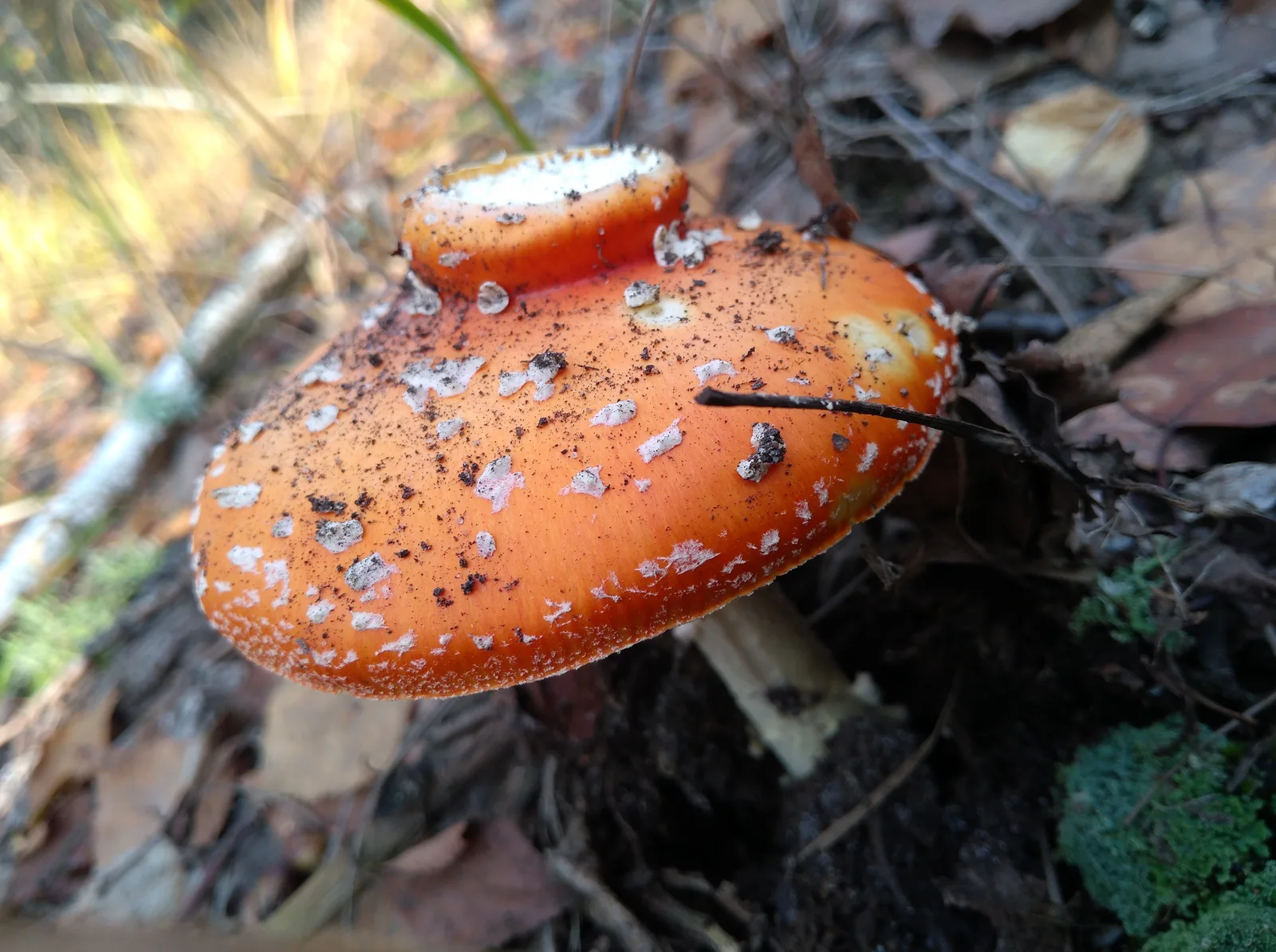
Fly Agaric
Amanita muscaria
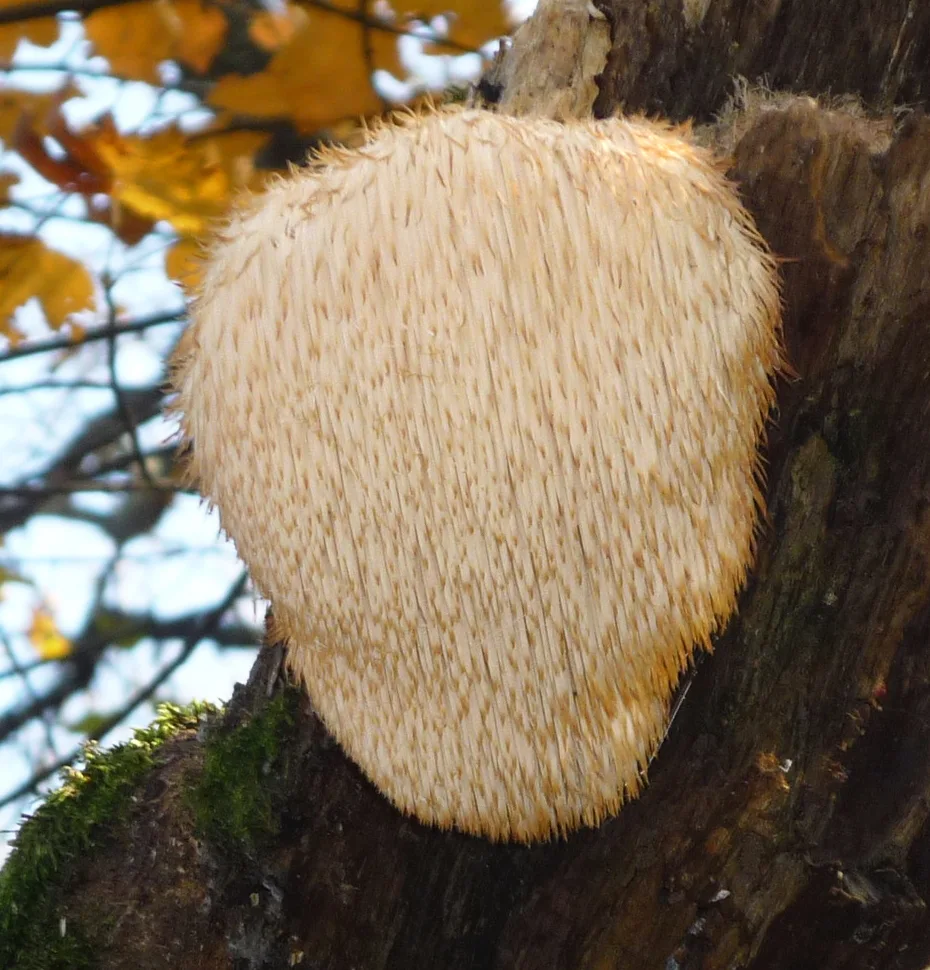
Lion’s Mane Fungus
Hericium erinaceus
How to compare two organisms
Choose two species and trace their closest shared group. Then compare a trait with the same definition on each side. Check the units, life stage and context before interpreting a measurement or range.
Missing data means that the collection lacks a sourced value. Where a characteristic does not apply to a lineage, the comparison labels it separately. Open the two profiles for context and follow their sources before drawing a conclusion.
Biological comparison
Compare like with like. A mean, a range and a reported maximum summarize different things. Check the population and field or study conditions before interpreting differences.
| Characteristic | Fly Agaric | Lion’s Mane Fungus |
|---|---|---|
| Principal classification | ||
| Domain | Eukaryota | Eukaryota |
| Kingdom | Fungi | Fungi |
| Phylum | Basidiomycota | Basidiomycota |
| Class | Agaricomycetes | Agaricomycetes |
| Order | Agaricales | Russulales |
| Family | Amanitaceae | Hericiaceae |
| Genus | Amanita | Hericium |
| Species | Amanita muscaria | Hericium erinaceus |
| Scientific measurements | ||
| Fruiting body cap diameter |
30 cm ≈ 12 in
Reported maximum · Burke lists an upper bound of 12 inches. The metric display is rounded to about 30 cm. Source and measurement contextWidth across the mushroom cap.
| Not recorded |
| Natural history | ||
| Nutrition and energy acquisition |
The fungus receives carbon from a plant partner through its mycorrhizal association. Its soil mycelium participates in the exchange of resources. Source 1 ↗Source 2 ↗ |
It obtains nutrients from wood and can live in association with a living tree as well as decomposing dead material. Source 1 ↗ |
| Habitat |
It grows in association with trees, forming ectomycorrhizal partnerships rather than simply decomposing a fallen log. Source 1 ↗Source 2 ↗ |
Wounds in living hardwood trees and recently dead wood are characteristic sites. The fungal mycelium extends within the wood. Source 1 ↗ |
| Geographic distribution |
The illustrated specimen was photographed in Ukraine. Introduced populations are also documented in New Zealand; related fly-agaric lineages and regional forms need careful taxonomic interpretation. Source 1 ↗Source 2 ↗ |
Records occur in Europe, Asia and the Americas. The currently used name may conceal geographically structured diversity, so a broad distribution does not prove all populations are identical. Source 1 ↗ |
| Morphology |
A pale stem supports free, crowded white gills and a cap that changes shape as it expands. A ring and a swollen stem base are important features beyond the cap color alone. Source 1 ↗Source 2 ↗ |
A mature fruiting body develops long, hanging spines from an essentially unbranched mass. Older tissue can become yellowish or brownish. Source 1 ↗ |
| Reproduction and life cycle |
Spores develop on the gills and disperse from the mature mushroom. Established mycelium can later produce additional fruiting bodies. Source 1 ↗Source 2 ↗ |
The fruiting body releases spores from surfaces on its hanging teeth. The vegetative fungal network is a separate, longer-lasting part of the organism. Source 1 ↗ |
| Ecological role |
Introductions associated with trees can bring this fungus into ecosystems outside its original range. Source 1 ↗Source 2 ↗ |
Its activity contributes to the changing structure and decomposition of hardwood. Source 1 ↗ |
| Behavior and activity |
No separate account recorded |
No separate account recorded |
| Environmental adaptations |
Veil remnants change as the mushroom expands or weathers. A red cap with white spots alone is not a sufficient basis for identifying an unfamiliar mushroom. Source 1 ↗Source 2 ↗ |
Immature branched Hericium species can resemble a young lion’s mane. Mature architecture is more informative than a white, fuzzy appearance alone. Source 1 ↗ |
| Conservation |
No separate account recorded |
No separate account recorded |
Sources from both profiles
More comparisons
Framed for display

 Framed for display

 Framed for display

Classification
Shared ancestry
Closest shared taxon · Agaricomycetes.