 Living Beings
Compare species
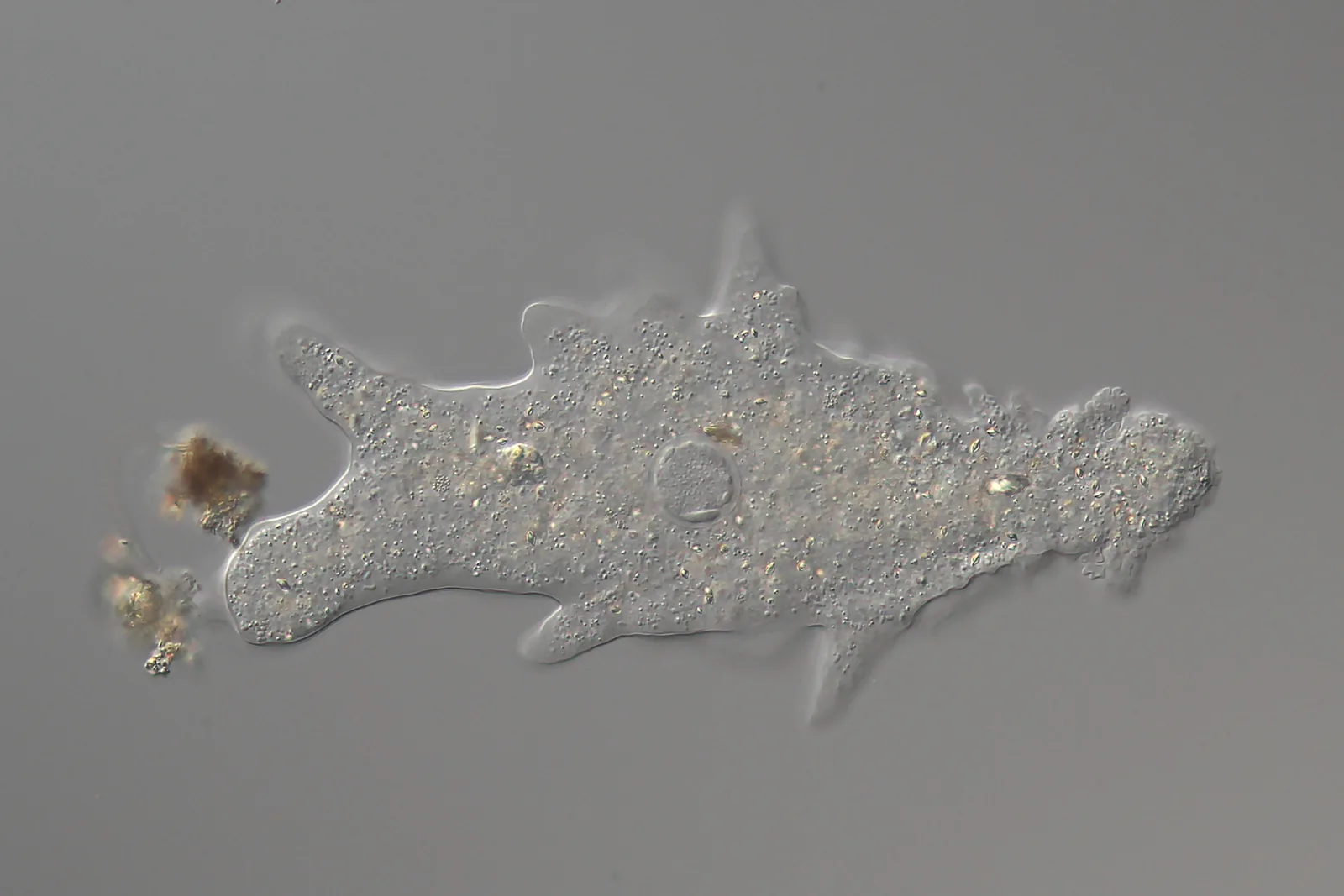
Amoeba proteus
Amoeba proteus
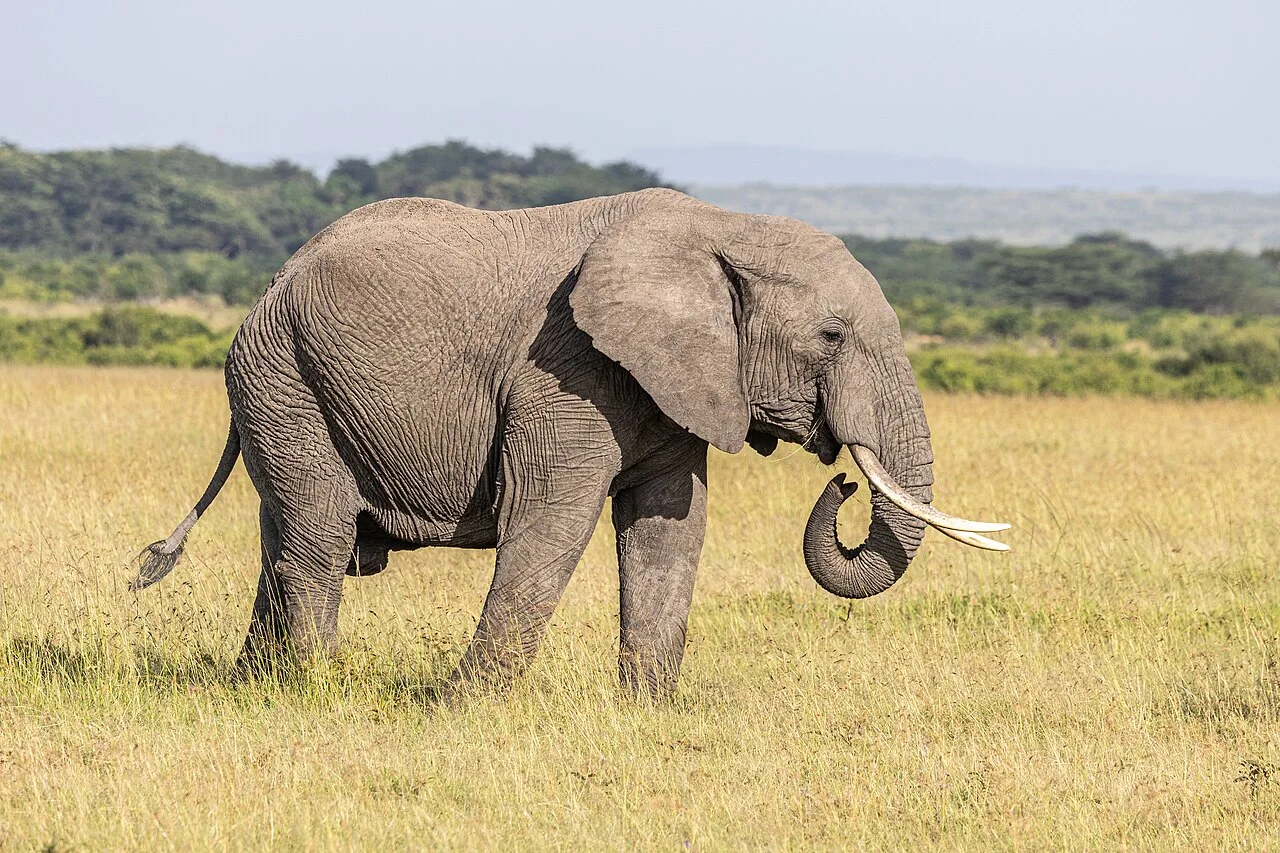
African Savanna Elephant
Loxodonta africana
Evidence from the profiles
Compare their characteristics
| Trait | Amoeba proteus | African Savanna Elephant |
|---|---|---|
| Physical traits | An irregular outline and flowing extensions distinguish a moving cell. A nucleus and vacuoles can be observed using suitable microscopy. | Broad ears, a long trunk and column-like legs give the animal its familiar outline. The trunk tip has two finger-like projections. Both sexes can develop tusks. |
| Habitat and range | Freshwater environments with microbial food and suitable surfaces support its crawling and feeding activity. | Savannas and open woodland provide a shifting mixture of browse, grass, shade and drinking water. Seasonal water availability influences the places that herds use. |
| Diet and nutrition | Pseudopodia surround food particles and small organisms, bringing them into vacuoles for digestion. | Grasses, leaves, bark and other plant material make up its diet. The trunk gathers food and moves it to the mouth. |
| Behavior and activity | The cell forms pseudopods as its shape changes. Direct pressure measurements found that internal pressure rose before movement and decreased around pseudopod formation, supporting a role for hydrostatic pressure driven by the contractile cell cortex. This links movement with the mechanics of a living cell rather than an animal-like limb. | Female relatives and their young form long-lasting social groups. Older females hold knowledge of familiar routes and resources; adult males have a different pattern of association. |
| Reproduction and life cycle | A growing cell can divide after nuclear replication. This profile does not assign a complex reproductive stage from another amoeba species. | Calves are born alive and depend on milk and extended social care. Learning from other elephants is an important part of growing up. |
| Geographic distribution | Recorded cultures have particular collection histories. Identifying every large freshwater amoeba as A. proteus would overstate its distribution. | Native to sub-Saharan Africa. This account follows the savanna-elephant species concept rather than treating all African elephants as one species. |
| Ecological role | Consumption of microorganisms connects it with freshwater microbial food webs. | Feeding and movement alter vegetation, and dung transfers seeds and nutrients. Habitat fragmentation and killing for ivory threaten populations. |
| Distinctive adaptations | A deformable cell surface supports both movement and feeding. Contractile-vacuole activity helps manage water balance in freshwater. | Data unavailable |
Classification
Shared ancestry
Closest shared taxon: Eukaryota.