 Living Beings
Compare species
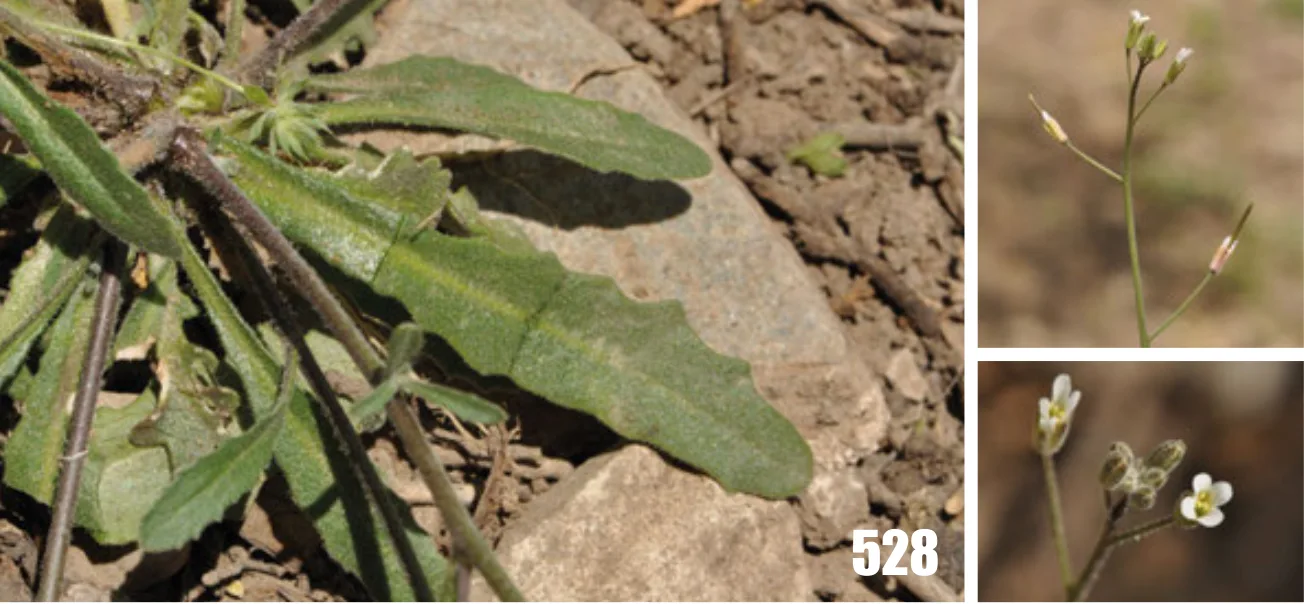
Thale Cress
Arabidopsis thaliana
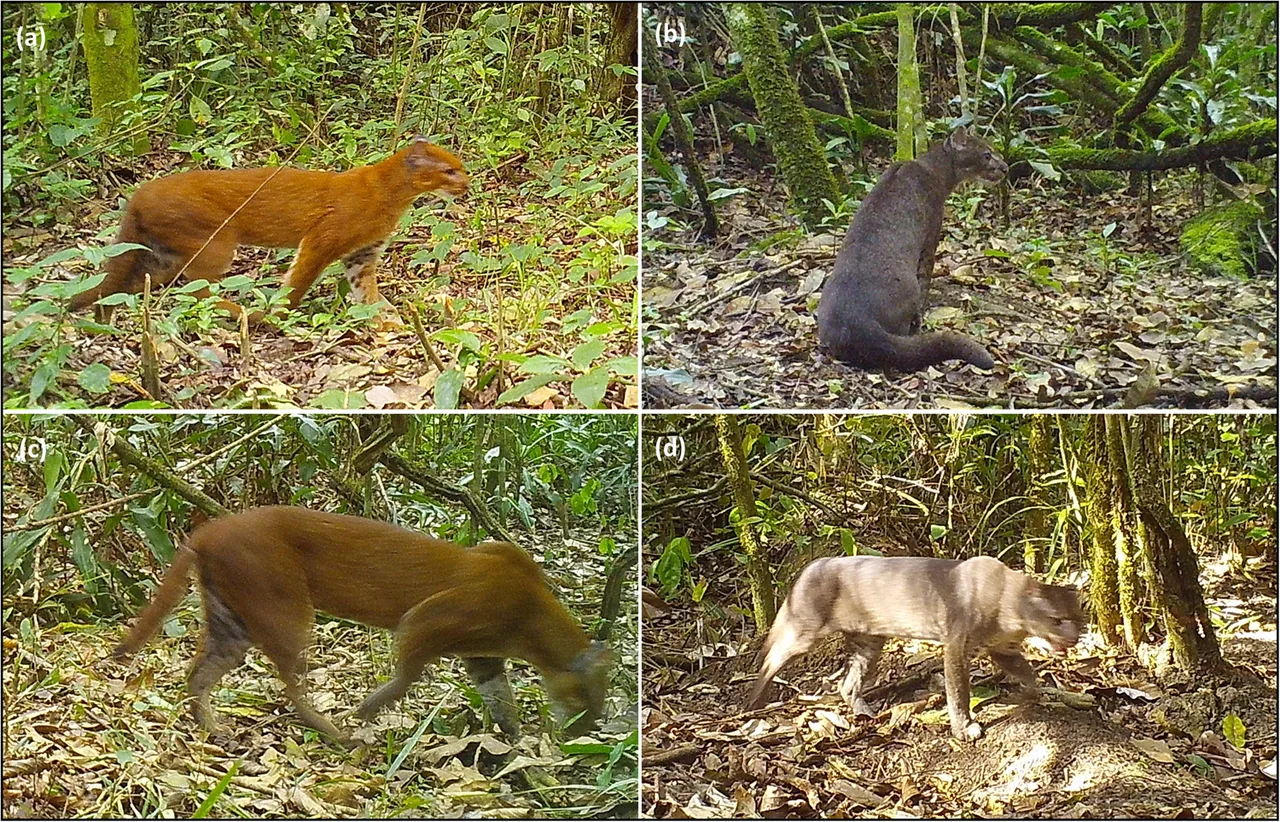
African Golden Cat
Caracal auratus
Evidence from the profiles
Compare their characteristics
| Trait | Thale Cress | African Golden Cat |
|---|---|---|
| Physical traits | Small rosette leaves, slender flowering stems and white, four-petalled flowers characterize the plant. Long, narrow fruits contain many small seeds. | The body is robust and the coat varies between reddish and grayish forms. Spotting can be more visible on some parts of the body. |
| Habitat and range | Open, disturbed ground and other relatively sparse vegetation provide growing sites. Laboratory accessions represent only part of natural diversity. | Dense African forest and secondary growth provide cover and hunting habitat. |
| Diet and nutrition | Leaves manufacture sugars by photosynthesis. Stored seed reserves support the seedling before its leaves become established. | Rodents and other forest mammals are important prey. Birds and additional small animals may also be taken. |
| Behavior and activity | Flowering responds to inherited differences and environmental conditions, including temperature history and day length. | It is generally solitary and difficult to observe in dense cover. Sparse observations should not be treated as a complete account of its daily behavior. |
| Reproduction and life cycle | Plants usually self-pollinate. Depending on genotype and conditions, a laboratory generation can be completed within weeks; wild seasonal cycles differ. | Data unavailable |
| Geographic distribution | Native populations occur in Africa, Asia and Europe; the species is naturalized in other regions. | The Mammal Diversity Database v2.5 records this species in Angola, Cameroon, Central African Republic, Cote d'Ivoire, Democratic Republic of the Congo, Equatorial Guinea, Gabon, Ghana, Guinea, Liberia, Nigeria, Republic of the Congo, Sierra Leone, Uganda, Benin?, Burundi?, Gambia?, Guinea-Bissau?, Kenya?, Rwanda?, Senegal?, Sudan?, Togo?. |
| Ecological role | This small annual exploits gaps where competition is limited. Seed dormancy helps bridge unsuitable periods. | Data unavailable |
| Distinctive adaptations | A short generation time, small size and abundant seed production facilitate both colonization and genetic research. | Data unavailable |
| Conservation | Research stocks are not substitutes for conserving natural genetic diversity. No formal threat category is inferred from laboratory abundance. | Data unavailable |
Classification
Shared ancestry
Closest shared taxon: Eukaryota.