 Living Beings
Compare species
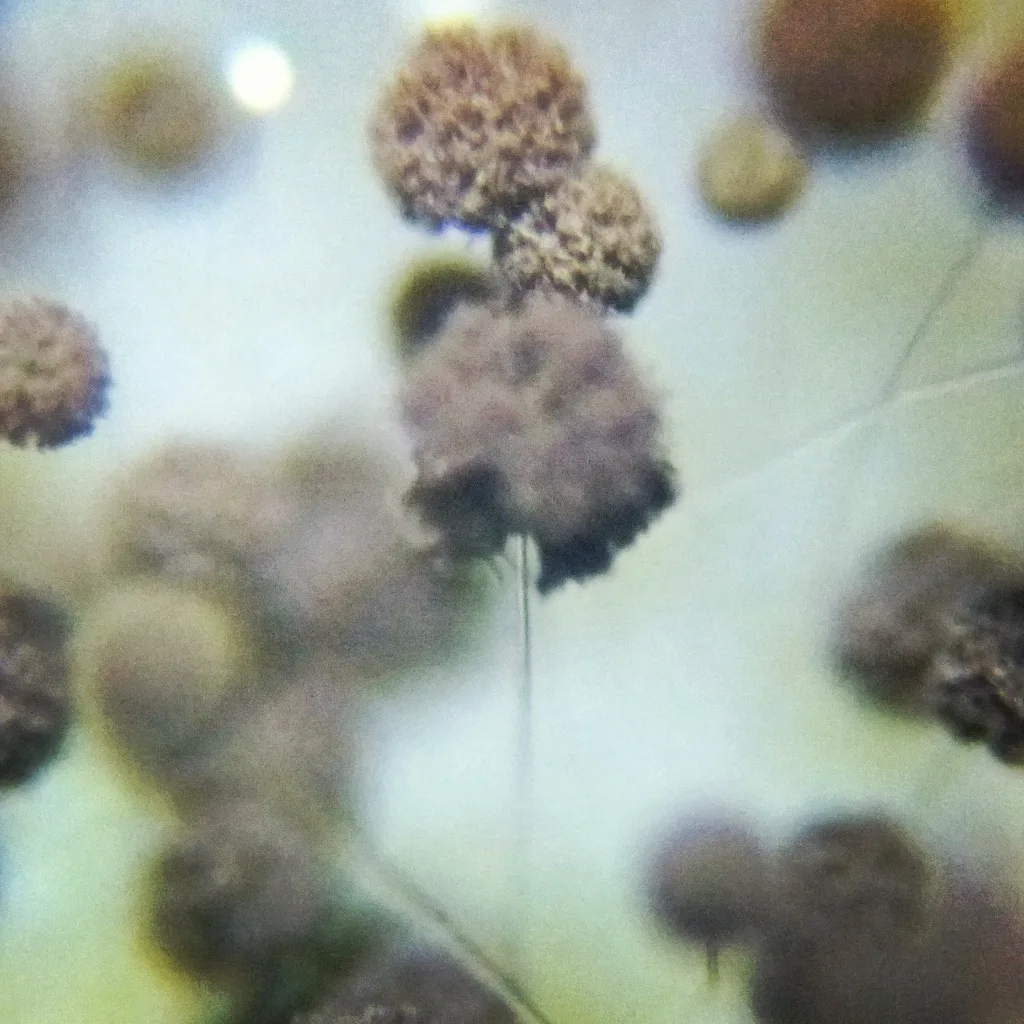
Aspergillus niger
Aspergillus niger
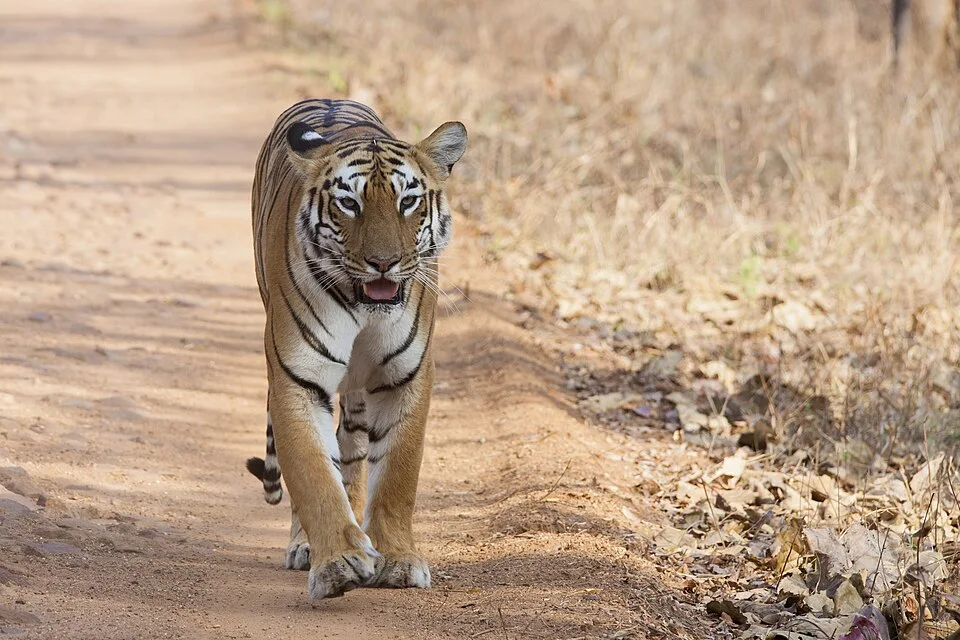
Tiger
Panthera tigris
Evidence from the profiles
Compare their characteristics
| Trait | Aspergillus niger | Tiger |
|---|---|---|
| Nutrition | Data unavailable | Carnivorous Source ↗ |
| Social organization | Not applicable | Generally solitary Source ↗ |
| Physical traits | A network of hyphae produces upright spore-bearing structures with dark conidial heads. Color alone cannot identify closely related black aspergilli. | Dark stripes break up the tiger’s outline. Stripe patterns vary from one individual to another. |
| Habitat and range | Organic substrates and suitable industrial culture media support growth. Moisture, temperature and available nutrients influence development. | Tigers live in varied habitats, including tropical forests, mangrove swamps and temperate forest. |
| Diet and nutrition | The fungus secretes enzymes and absorbs released nutrients. Its genome encodes a varied capacity for transport and organic-substrate metabolism. | Tigers mainly hunt large mammals, including deer and wild pigs. |
| Behavior and activity | Hyphal growth explores the substrate, while sporulation provides dispersal structures above it. | A tiger usually hunts by stalking its prey and attacking at close range. |
| Reproduction and life cycle | Asexual conidia germinate into hyphae that establish a new mycelium. Culture conditions influence growth and spore production. | Data unavailable |
| Geographic distribution | Environmental and industrial strains are recorded widely. A production strain should not be assumed representative of every wild isolate. | Data unavailable |
| Ecological role | Organic-matter breakdown contrasts with the controlled metabolic outputs sought in industrial fermentation. | Data unavailable |
| Distinctive adaptations | Strong secretion capacity and diverse metabolism underpin its industrial use, but properties must be verified for each strain. | Data unavailable |
Classification
Shared ancestry
Closest shared taxon: Opisthokonta.