 Living Beings
Compare species
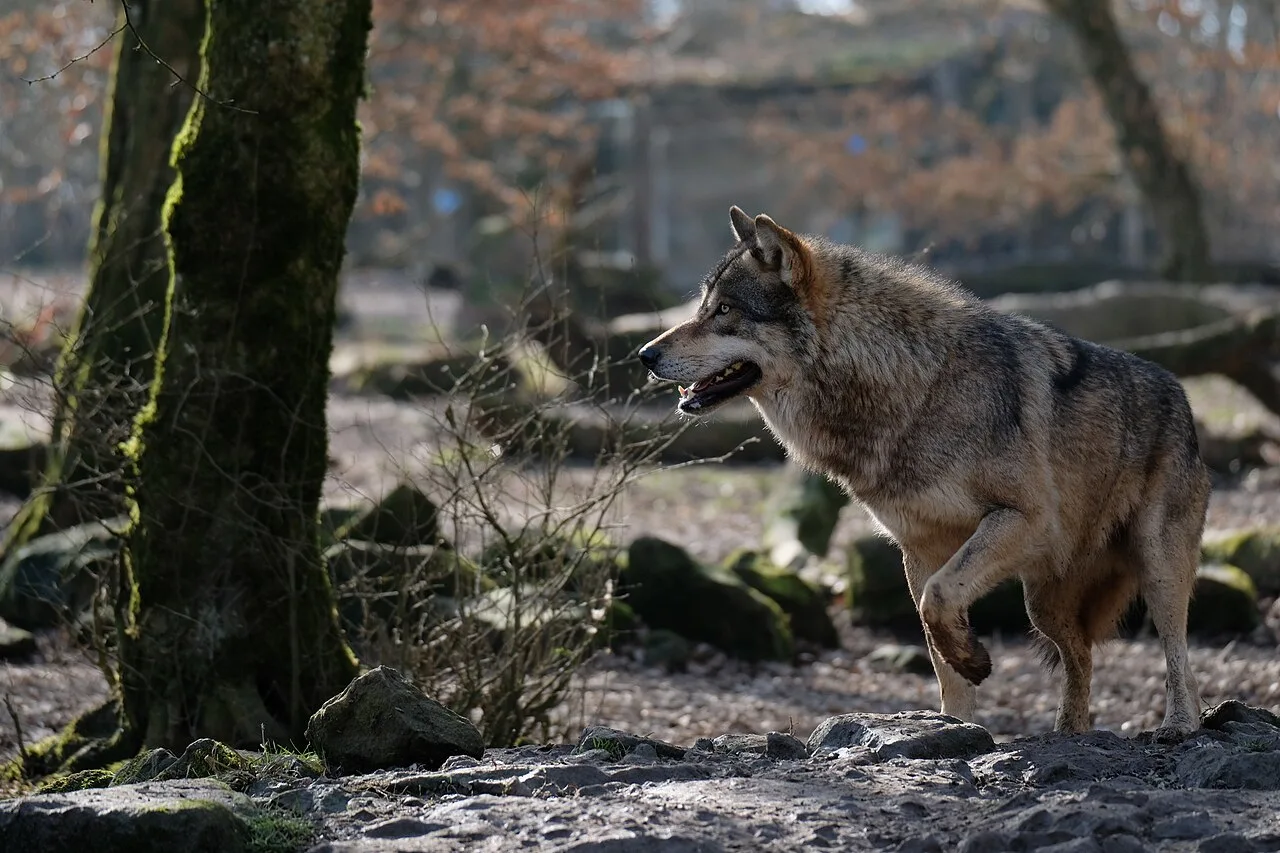
Gray Wolf
Canis lupus
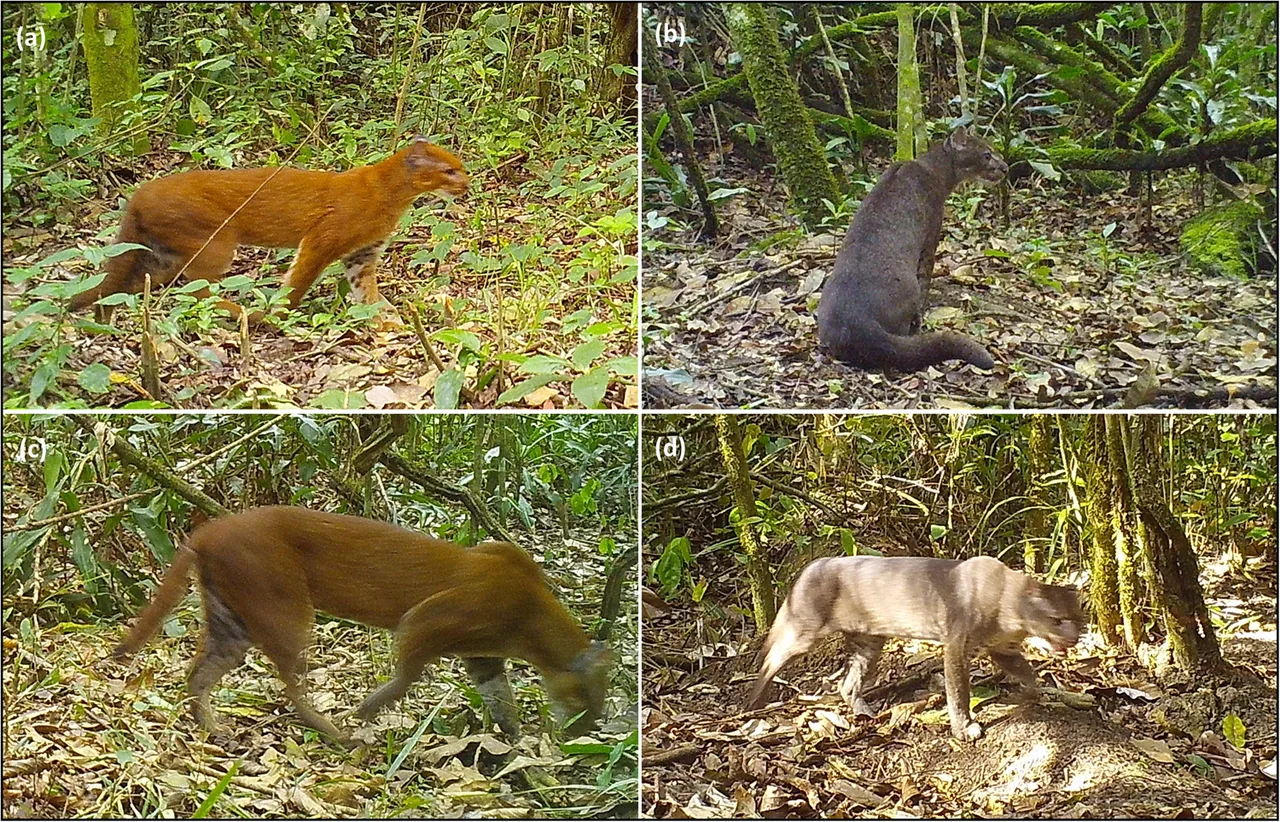
African Golden Cat
Caracal auratus
Evidence from the profiles
Compare their characteristics
| Trait | Gray Wolf | African Golden Cat |
|---|---|---|
| Physical traits | Long legs, a deep chest and a bushy tail characterize the species. Coat color varies greatly and is not a reliable guide to taxonomic identity by itself. | The body is robust and the coat varies between reddish and grayish forms. Spotting can be more visible on some parts of the body. |
| Habitat and range | Wolves occupy habitats ranging from forest and grassland to tundra, where sufficient prey and space remain. | Dense African forest and secondary growth provide cover and hunting habitat. |
| Diet and nutrition | Large hoofed mammals are important prey in many populations. Smaller animals and carrion can also contribute. | Rodents and other forest mammals are important prey. Birds and additional small animals may also be taken. |
| Behavior and activity | Packs are commonly family groups. Howling and scent marking communicate identity and location; hunting can involve cooperation. | It is generally solitary and difficult to observe in dense cover. Sparse observations should not be treated as a complete account of its daily behavior. |
| Reproduction and life cycle | Pups are born in a den and receive care from parents and other pack members. Some later disperse to establish new groups. | Data unavailable |
| Geographic distribution | The species has a broad Northern Hemisphere range, reduced and fragmented in many areas by past persecution. | The Mammal Diversity Database v2.5 records this species in Angola, Cameroon, Central African Republic, Cote d'Ivoire, Democratic Republic of the Congo, Equatorial Guinea, Gabon, Ghana, Guinea, Liberia, Nigeria, Republic of the Congo, Sierra Leone, Uganda, Benin?, Burundi?, Gambia?, Guinea-Bissau?, Kenya?, Rwanda?, Senegal?, Sudan?, Togo?. |
| Ecological role | Wolves are predators and scavengers, and their effects depend on local prey and competitors. | Data unavailable |
| Distinctive adaptations | Endurance, keen senses and social communication support long-distance movement and cooperative hunting. | Data unavailable |
| Conservation | Human conflict, habitat connectivity and legal protection vary geographically; local recovery and global status are different questions. | Data unavailable |
Classification
Shared ancestry
Closest shared taxon: Carnivora.
Explore the taxonomy ↗