Living Beings

 Framed for display
Species · Vulpes
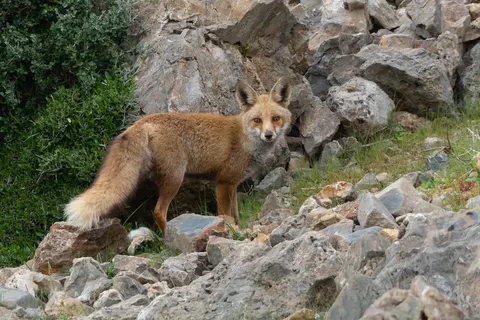
Red Fox
Vulpes vulpes
The red fox is a small canid with a pointed muzzle, large ears and a conspicuous tail. Its flexible feeding habits help …
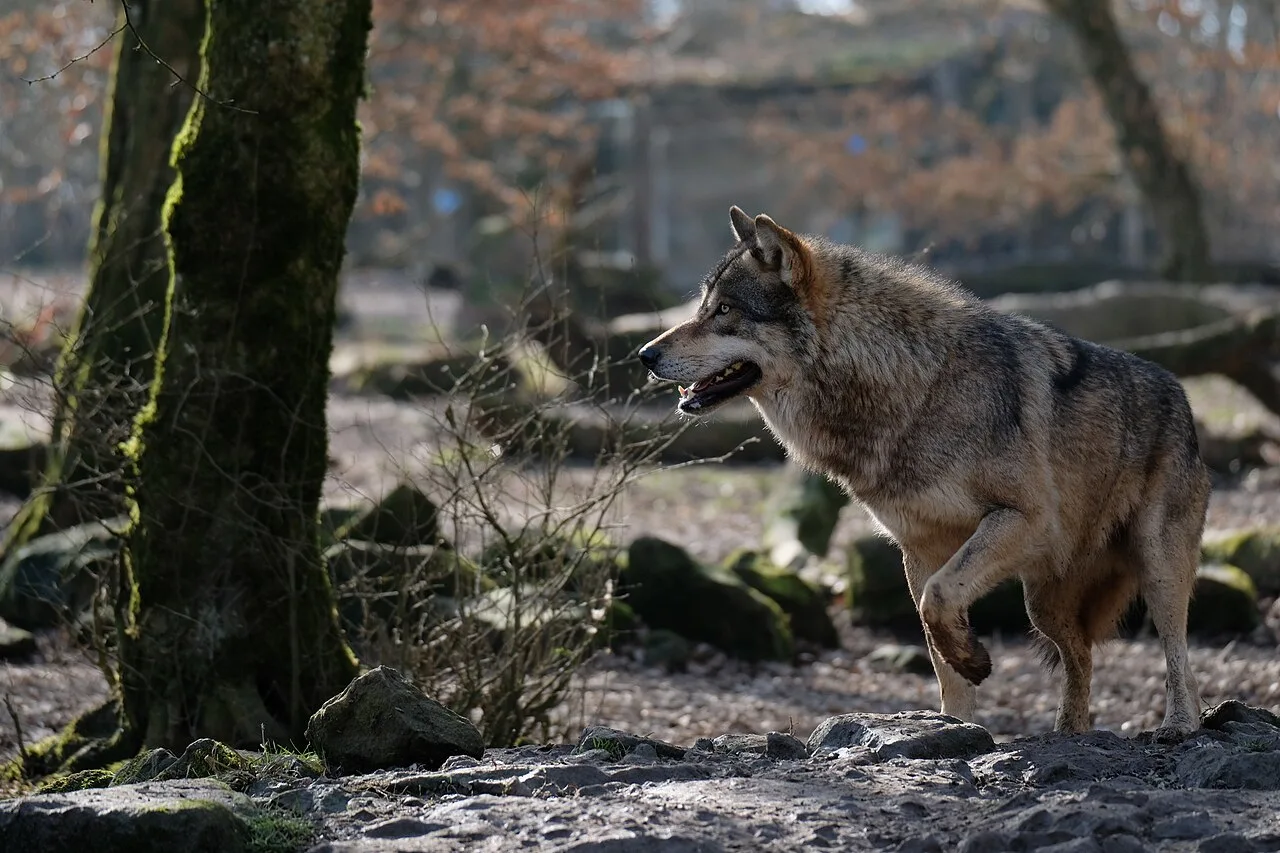
Loup gris commun DSCF1575.jpg · Resized and converted to WebP for display. Documentary organism photograph. AI-generated illustration. Musicaline · CC BY-SA 4.0
Field guide · species
Canis lupus Linnaeus, 1758
Gray wolves are social canids whose family groups coordinate travel, defense and the care of young. Their behavior is flexible: prey, terrain and human activity all affect how a pack uses its home range.
Public research profile · final editorial review pending.
Complete source lineage, including intermediate ranks. The standard view uses Life and the eight principal ranks.
Long legs, a deep chest and a bushy tail characterize the species. Coat color varies greatly and is not a reliable guide to taxonomic identity by itself.
Wolves occupy habitats ranging from forest and grassland to tundra, where sufficient prey and space remain.
Large hoofed mammals are important prey in many populations. Smaller animals and carrion can also contribute.
Packs are commonly family groups. Howling and scent marking communicate identity and location; hunting can involve cooperation.
Pups are born in a den and receive care from parents and other pack members. Some later disperse to establish new groups.
The species has a broad Northern Hemisphere range, reduced and fragmented in many areas by past persecution.
Wolves are predators and scavengers, and their effects depend on local prey and competitors.
Endurance, keen senses and social communication support long-distance movement and cooperative hunting.
Human conflict, habitat connectivity and legal protection vary geographically; local recovery and global status are different questions.
Shared classification
Framed for display
Vulpes vulpes
The red fox is a small canid with a pointed muzzle, large ears and a conspicuous tail. Its flexible feeding habits help …
 Framed for display
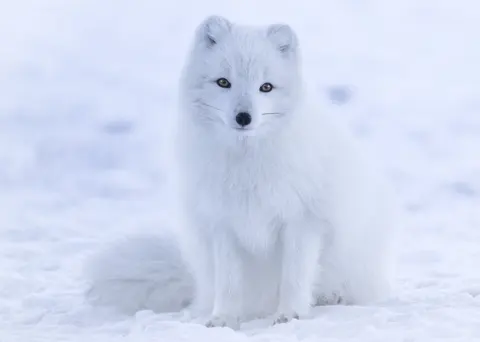
Vulpes lagopus
The Arctic fox is a small northern canid adapted to cold, open landscapes. Dense fur, compact ears and fur-covered feet help it …
 Framed for display
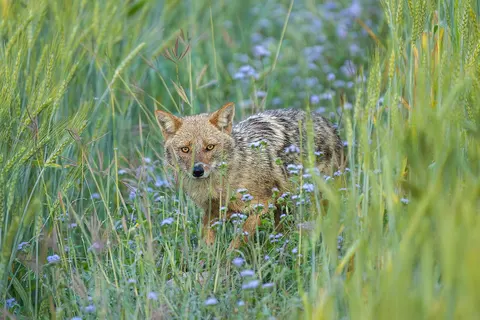
Canis aureus
The golden jackal is an adaptable canid whose common name has historically been applied too broadly. This account uses the current linked …
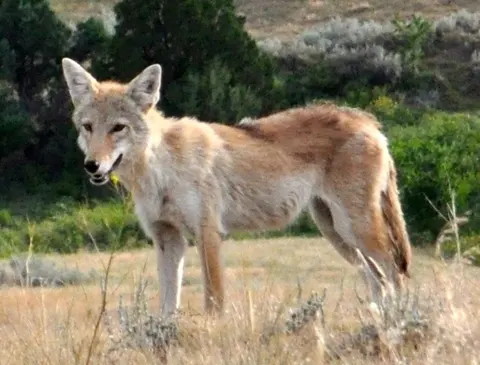 Framed for display
Canis latrans
The coyote is an adaptable North American canid that can live in natural and human-modified landscapes. Its success reflects flexible food use …
Evidence
Connected life
No reviewed ecological connections in the collection yet.
Explore network ↗