 Living Beings
Evidence from the profiles
Compare their characteristics
| Trait | Red Wolf | Tiger |
|---|---|---|
| Nutrition | Data unavailable | Carnivorous Source ↗ |
| Social organization | Data unavailable | Generally solitary Source ↗ |
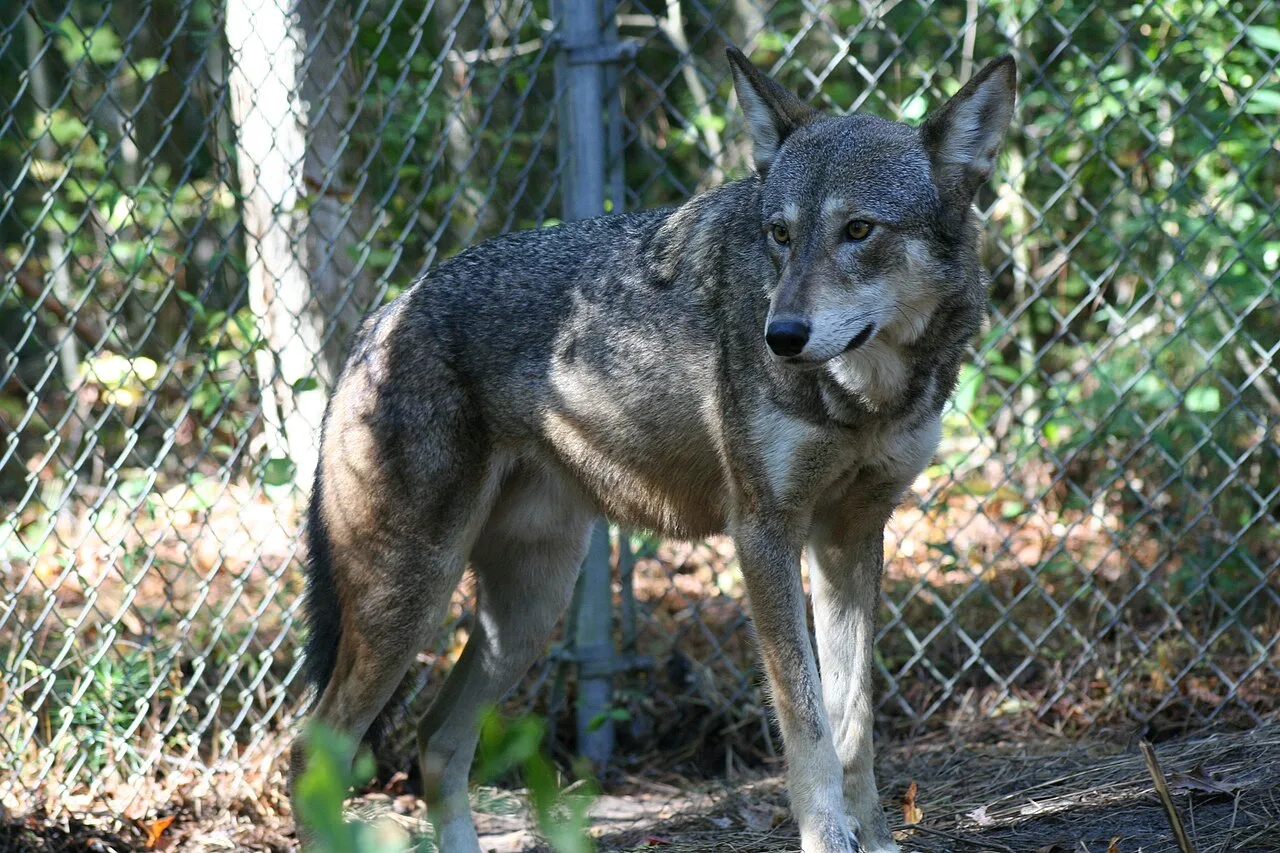
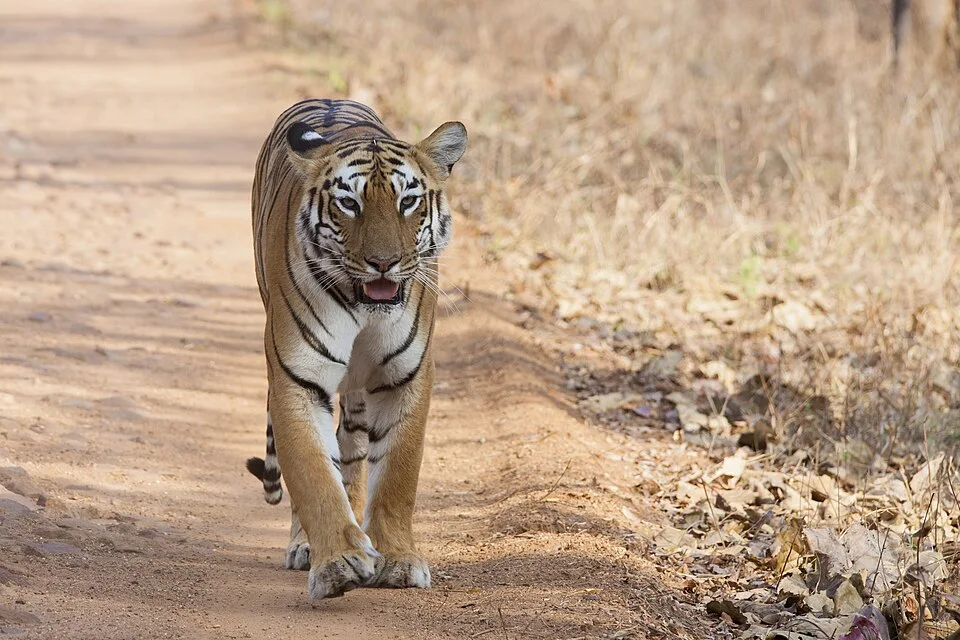
| Physical traits | The body is relatively slender, with long legs and ears and a coat that can include reddish tones. | Dark stripes break up the tiger’s outline. Stripe patterns vary from one individual to another. |
| Habitat and range | Wooded and wetland-associated landscapes feature in its natural history; current occurrence must be checked against dated recovery records. | Tigers live in varied habitats, including tropical forests, mangrove swamps and temperate forest. |
| Diet and nutrition | Small mammals and ungulates contribute to its carnivorous diet. | Tigers mainly hunt large mammals, including deer and wild pigs. |
| Behavior and activity | Family associations and defended areas organize its social life. Breeding and recovery-program observations should be distinguished from evidence about all wild populations. | A tiger usually hunts by stalking its prey and attacking at close range. |
| Geographic distribution | The Mammal Diversity Database v2.5 records this species in United States. | Data unavailable |
Classification
Shared ancestry
Closest shared taxon: Carnivora.
Explore the taxonomy ↗