 Living Beings
Compare species
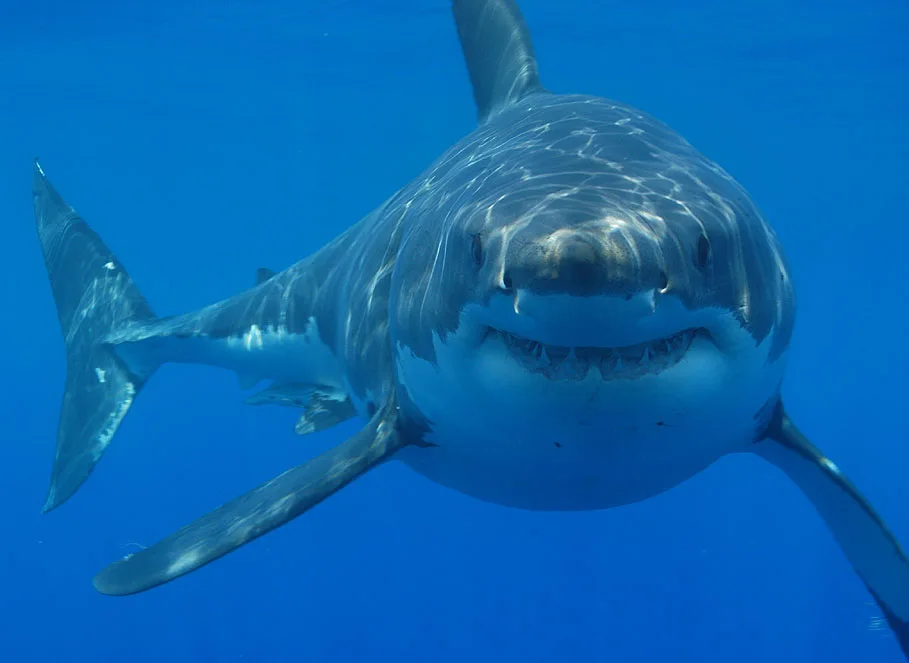
Great White Shark
Carcharodon carcharias
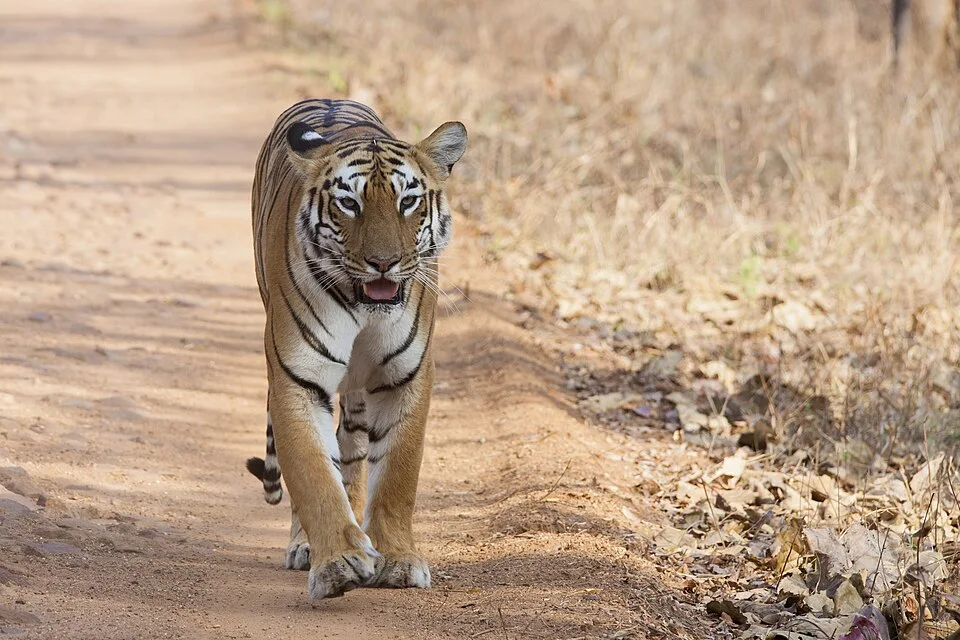
Tiger
Panthera tigris
Evidence from the profiles
Compare their characteristics
| Trait | Great White Shark | Tiger |
|---|---|---|
| Nutrition | Data unavailable | Carnivorous Source ↗ |
| Social organization | Data unavailable | Generally solitary Source ↗ |
| Physical traits | A conical snout, broad triangular teeth and a dark upper surface over a pale underside characterize the species. | Dark stripes break up the tiger’s outline. Stripe patterns vary from one individual to another. |
| Habitat and range | Coastal feeding grounds and offshore waters both form part of its habitat. Some individuals undertake extensive migrations. | Tigers live in varied habitats, including tropical forests, mangrove swamps and temperate forest. |
| Diet and nutrition | Younger sharks take fish and other smaller marine prey. Larger individuals may take marine mammals and scavenge carcasses. | Tigers mainly hunt large mammals, including deer and wild pigs. |
| Behavior and activity | Sharks investigate their surroundings using several senses and may return to productive feeding areas. | A tiger usually hunts by stalking its prey and attacking at close range. |
| Reproduction and life cycle | Embryos develop inside the mother and receive nutrition from eggs before live birth. Reproduction is slow relative to many exploited fish. | Data unavailable |
| Geographic distribution | White sharks occur in several ocean basins, especially temperate coastal regions. Sightings do not imply equal abundance throughout that range. | Data unavailable |
| Ecological role | White sharks are predators and scavengers within marine food webs. | Data unavailable |
| Distinctive adaptations | Countershading and a streamlined body assist an approaching predator; sensory systems detect chemical and electrical cues. | Data unavailable |
| Conservation | Bycatch and deliberate killing affect a species with limited reproductive output. Regional population trends require separate assessment. | Data unavailable |
Classification
Shared ancestry
Closest shared taxon: Gnathostomata.