 Living Beings
Compare species
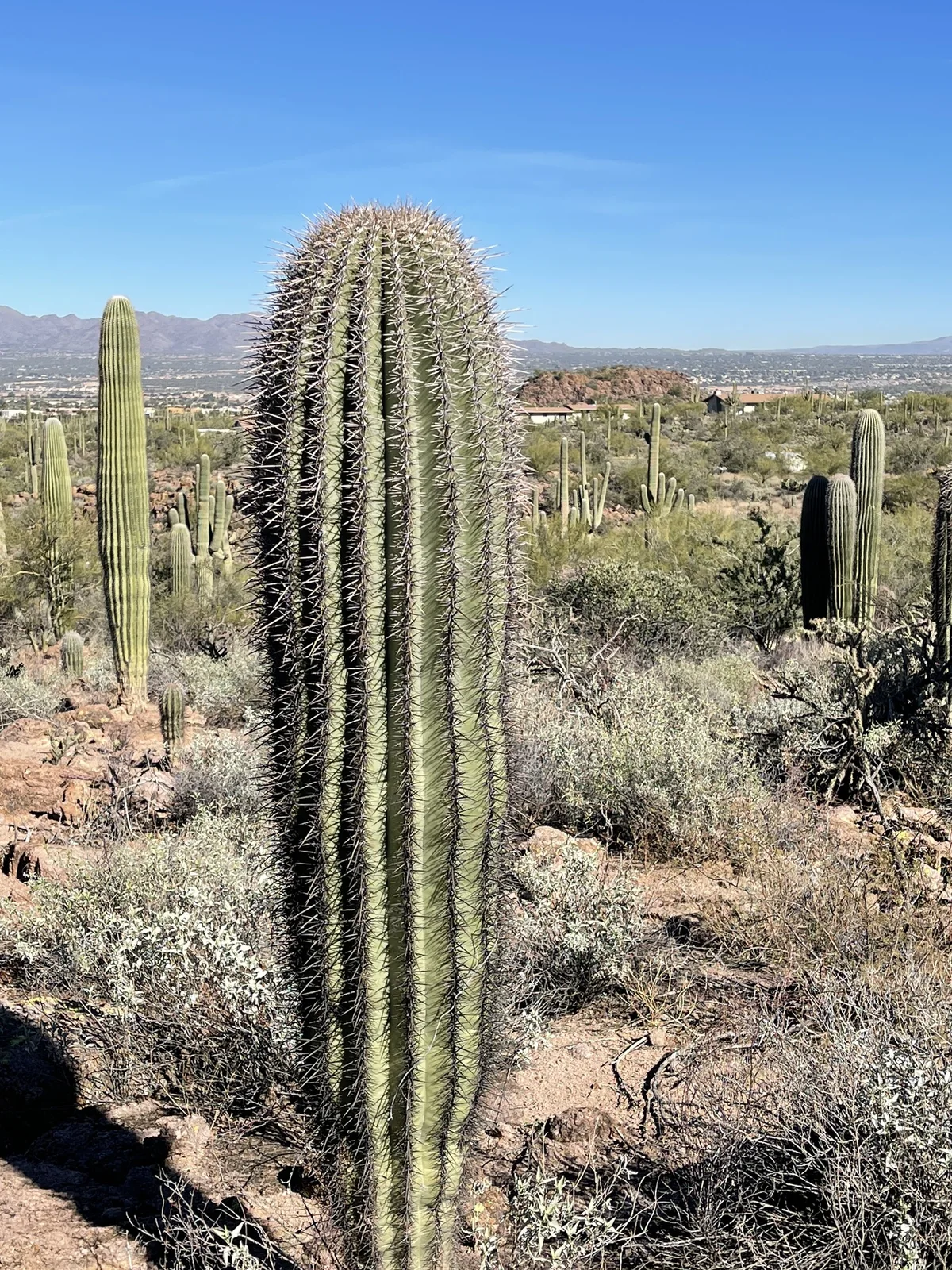
Saguaro
Carnegiea gigantea
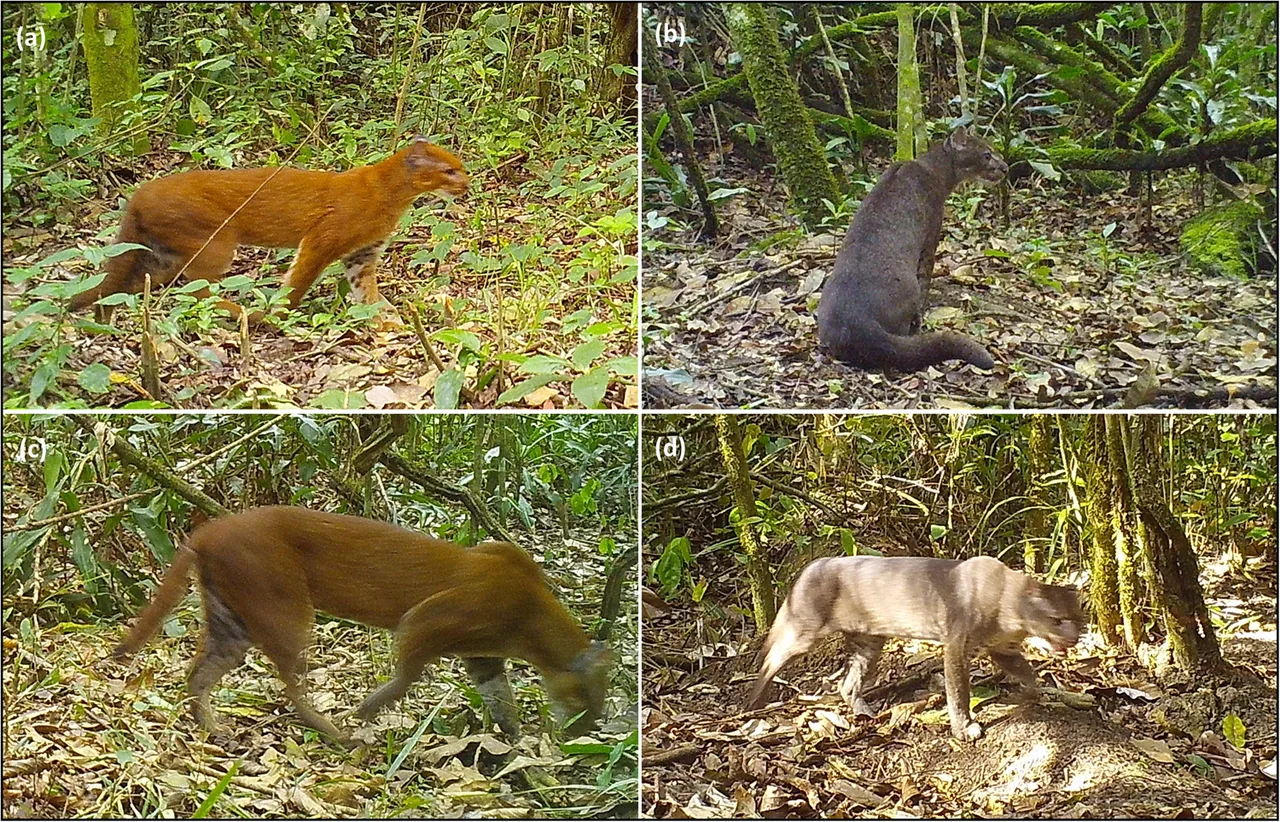
African Golden Cat
Caracal auratus
How to compare two organisms
Choose two species and trace their closest shared group. Then compare a trait with the same definition on each side. Check the units, life stage and context before interpreting a measurement or range.
Missing data means that the collection lacks a sourced value. Where a characteristic does not apply to a lineage, the comparison labels it separately. Open the two profiles for context and follow their sources before drawing a conclusion.
Evidence from the profiles
Compare their characteristics
| Trait | Saguaro | African Golden Cat |
|---|---|---|
| Physical traits | A pleated green trunk may develop large upward branches. Spines cover the surface, and flowers form near growing stem tips. | The body is robust and the coat varies between reddish and grayish forms. Spotting can be more visible on some parts of the body. |
| Habitat and range | Suitable Sonoran Desert sites provide the temperature and rainfall conditions needed for establishment and survival. | Dense African forest and secondary growth provide cover and hunting habitat. |
| Diet and nutrition | The green stem performs photosynthesis, while widespread shallow roots rapidly take up water after rain. | Rodents and other forest mammals are important prey. Birds and additional small animals may also be taken. |
| Behavior and activity | Stem expansion accommodates stored water. Growth and the development of arms occur over a long period. | It is generally solitary and difficult to observe in dense cover. Sparse observations should not be treated as a complete account of its daily behavior. |
| Reproduction and life cycle | Flowers are followed by fleshy fruits containing many seeds. Seedling establishment is much less frequent than seed production. | Data unavailable |
| Geographic distribution | The native range is within the Sonoran Desert, but the cactus does not occupy every part of that desert. | The Mammal Diversity Database v2.5 records this species in Angola, Cameroon, Central African Republic, Cote d'Ivoire, Democratic Republic of the Congo, Equatorial Guinea, Gabon, Ghana, Guinea, Liberia, Nigeria, Republic of the Congo, Sierra Leone, Uganda, Benin?, Burundi?, Gambia?, Guinea-Bissau?, Kenya?, Rwanda?, Senegal?, Sudan?, Togo?. |
| Ecological role | Flowers and fruits feed wildlife, while large stems provide shelter and nesting opportunities. | Data unavailable |
| Distinctive adaptations | Pleated water storage and a broad, shallow root system help exploit brief rainfall events. | Data unavailable |
| Conservation | Habitat change, fire and unsuitable climate can affect recruitment and survival. Long-lived adults alone do not demonstrate successful regeneration. | Data unavailable |
Classification
Shared ancestry
Closest shared taxon: Eukaryota.