 Living Beings
Compare species
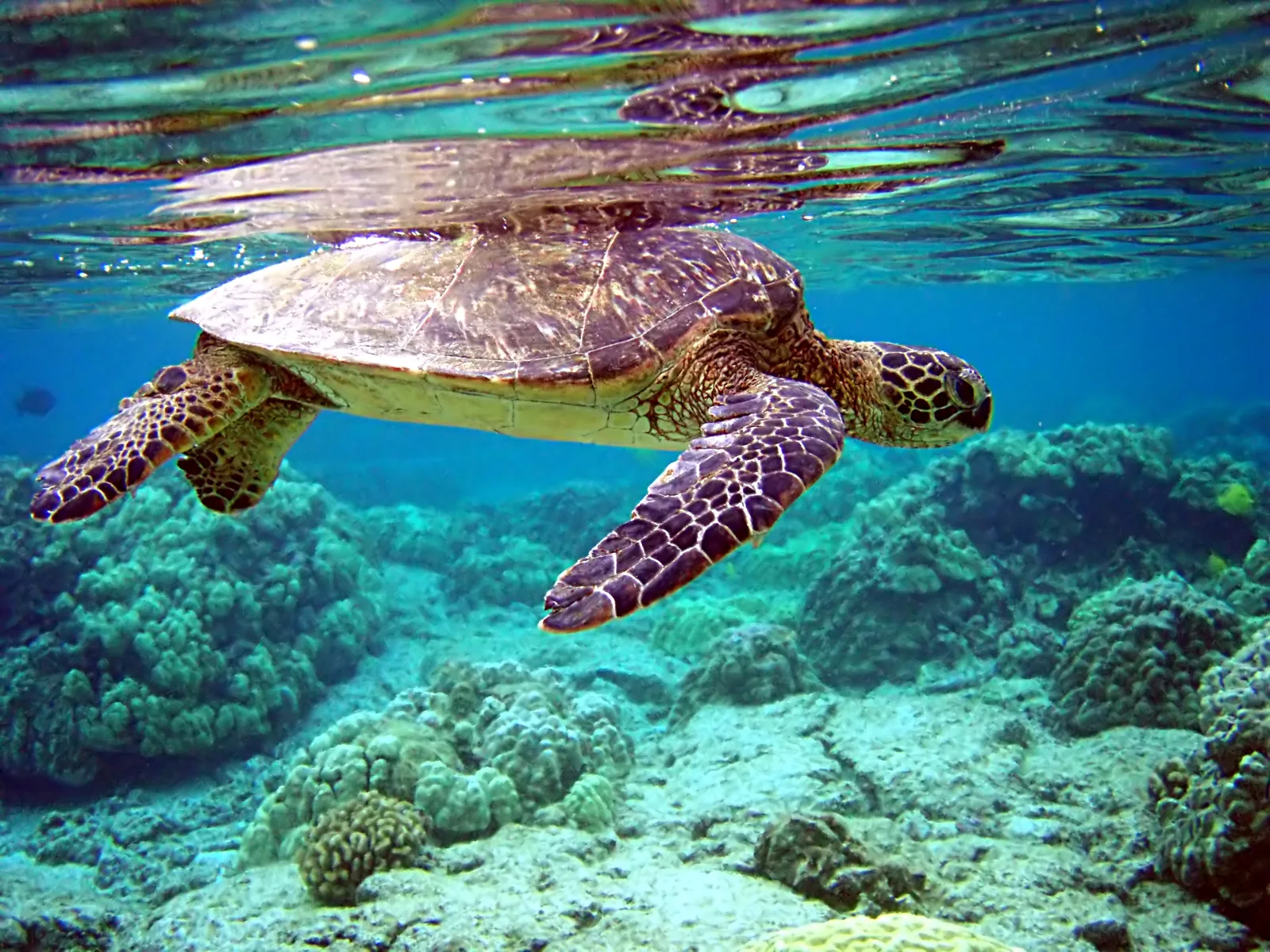
Green Sea Turtle
Chelonia mydas
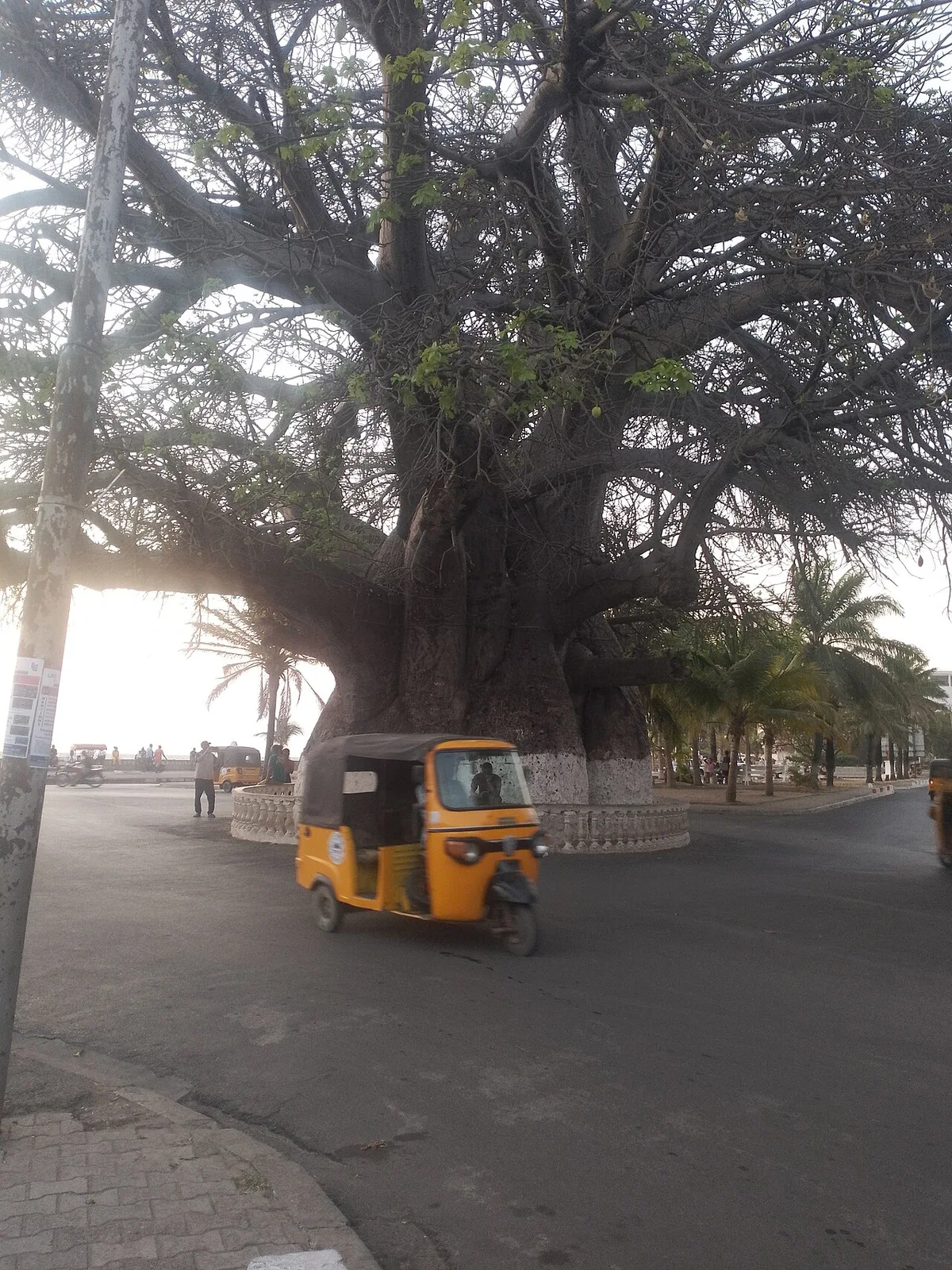
African Baobab
Adansonia digitata
How to compare two organisms
Choose two species and trace their closest shared group. Then compare a trait with the same definition on each side. Check the units, life stage and context before interpreting a measurement or range.
Missing data means that the collection lacks a sourced value. Where a characteristic does not apply to a lineage, the comparison labels it separately. Open the two profiles for context and follow their sources before drawing a conclusion.
Evidence from the profiles
Compare their characteristics
| Trait | Green Sea Turtle | African Baobab |
|---|---|---|
| Physical traits | A streamlined shell, paddle-like forelimbs and a relatively small head suit marine life. The common name refers to body fat rather than a uniformly green shell. | Thick, fibrous bark surrounds a broad trunk. Each compound leaf has several leaflets radiating from a central point. |
| Habitat and range | Seagrass beds, algal areas and other coastal habitats support feeding. Females require suitable sandy beaches to nest. | A terrestrial tree of tropical Africa, it is adapted to seasonally dry conditions and is also planted in gardens and settlements. |
| Diet and nutrition | Many adults are primarily herbivorous. Juveniles may also eat animal material, so diet changes with life stage and locality. | Leaves produce sugars through photosynthesis. Water and mineral nutrients are taken up through the roots. |
| Behavior and activity | Turtles migrate between feeding and breeding areas and return to the surface to breathe. | Data unavailable |
| Reproduction and life cycle | Females bury eggs in beach nests. Hatchlings enter the sea and pass through juvenile habitats before adulthood. | Large, hanging white flowers develop into capsules containing seeds embedded in pale, powdery pulp. New trees can be grown from seed. |
| Geographic distribution | The species occurs in tropical and subtropical oceans. Nesting and feeding populations should be interpreted regionally. | Native to Africa and cultivated elsewhere. The accompanying photograph shows a planted specimen in Madagascar; that location should not be confused with the native range of every baobab species. |
| Ecological role | Grazing influences seagrass and algal communities, and movements redistribute nutrients. | Its flowers, fruit and extensive woody structure provide biological resources. The familiar name baobab also applies to other species, which should not be confused with this one. |
| Distinctive adaptations | Efficient swimming and orientation support travel between distant habitats. | A substantial trunk and drought-resistant growth form help distinguish this tree from many humid-forest trees. |
| Conservation | The global IUCN assessment published in 2025 lists the green turtle as Least Concern. This global improvement does not remove regional threats from bycatch, coastal development or habitat loss, and it is distinct from national protection categories. | Data unavailable |
Classification
Shared ancestry
Closest shared taxon: Eukaryota.