 Living Beings
Compare species
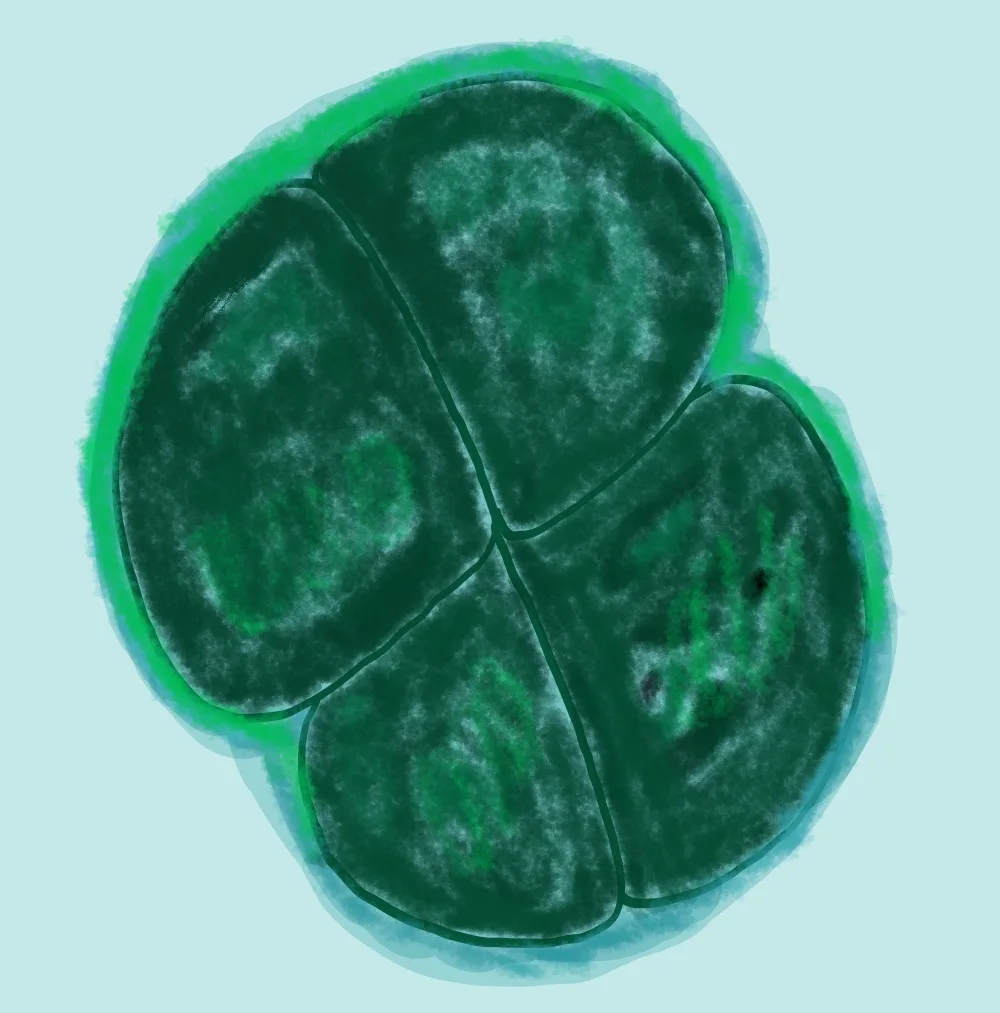
Deinococcus radiodurans
Deinococcus radiodurans
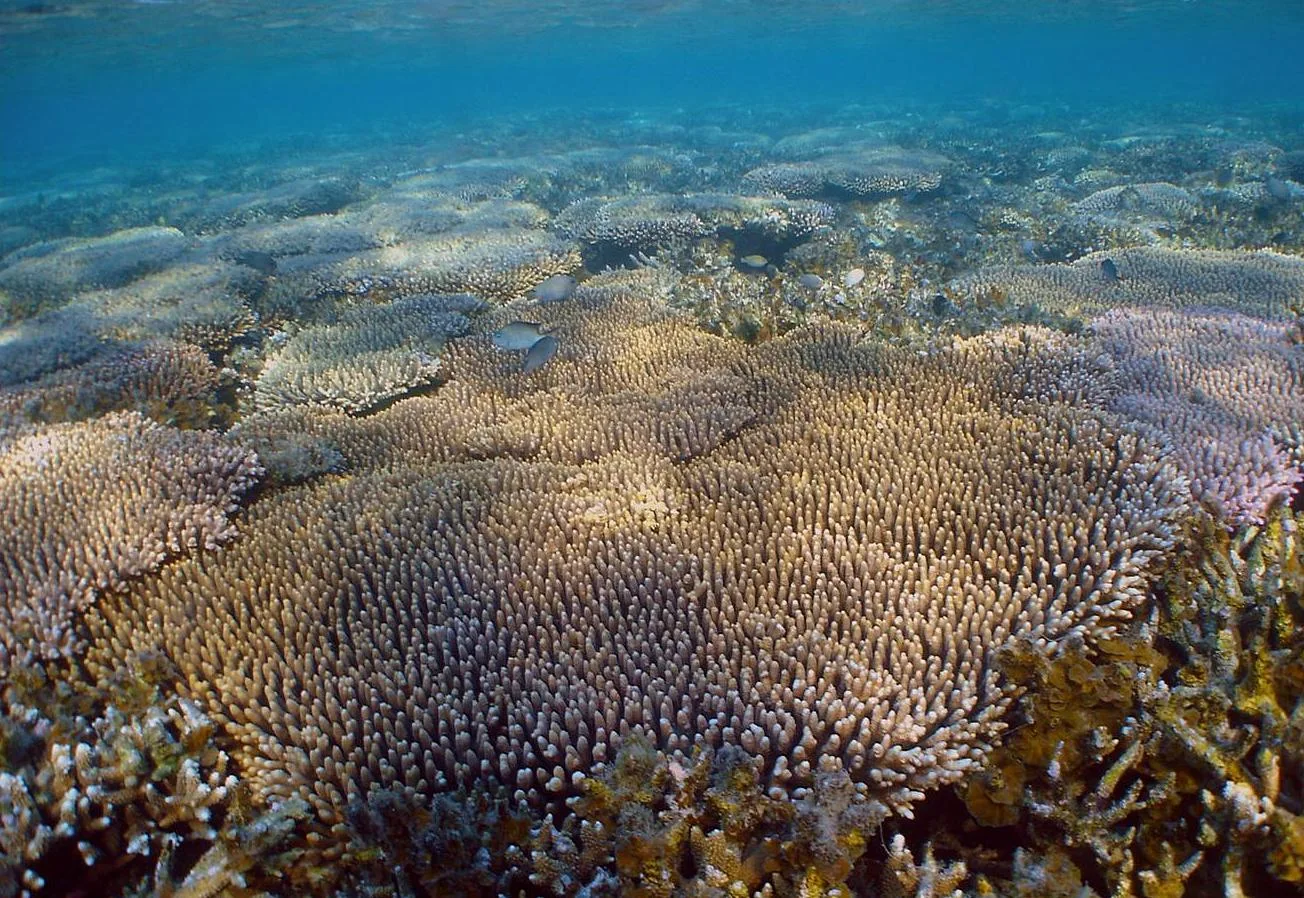
Acropora millepora
Acropora millepora
Evidence from the profiles
Compare their characteristics
| Trait | Deinococcus radiodurans | Acropora millepora |
|---|---|---|
| Physical traits | Rounded cells commonly occur in grouped arrangements. Pigmented colonies and cell shape alone do not provide a secure identification. | Colonies form branching structures covered by small skeletal cups that house polyps. Colony color alone is insufficient for secure species identification. |
| Habitat and range | Cultured isolates have been studied under ordinary growth conditions and experimental stress; radiation resistance does not mean radiation is required for growth. | Shallow, well-lit marine reef environments support the coral and its photosynthetic partners. |
| Diet and nutrition | Organic nutrients support heterotrophic growth. Stress resistance should not be confused with obtaining energy from radiation. | Polyps capture small suspended food, while algal symbionts contribute photosynthetic products. |
| Behavior and activity | Cells coordinate repair and recovery after DNA damage, oxidative stress or desiccation-related challenges. | Tentacles and mucus help the colony interact with surrounding seawater. Recognition mechanisms influence responses to microbes. |
| Reproduction and life cycle | Cell division produces new cells when conditions permit. Genome maintenance is critical to recovery before normal growth resumes. | Colonies grow by producing additional polyps. Sexual reproduction can release gametes that develop into settling larvae. |
| Geographic distribution | Authenticated isolates and research collections provide traceable records. A full environmental range is not established by the genome study. | The species occurs in the Indo-Pacific reef region. Species-level locality records should accompany detailed range mapping. |
| Ecological role | Its stress biology helps explain microbial persistence during changing hydration and resource conditions. | Skeletal growth contributes reef structure and habitat. Symbiotic interactions are central to energy supply and colony health. |
| Distinctive adaptations | The R1 genome study identified multiple systems associated with DNA repair, damage handling and recovery from starvation or desiccation. Its resistance is therefore not adequately explained by one supposed protective gene. The sequenced strain also carries multiple DNA elements, providing a framework for testing how these cellular systems work together. | A colonial body and partnerships with photosynthetic cells support growth in well-lit reef environments. |
| Conservation | Data unavailable | Thermal stress, bleaching and degradation of reef habitat are concerns. A source on molecular recognition does not establish a current Red List category. |
Classification
Shared ancestry
Closest shared taxon: cellular organisms.