 Living Beings
Compare species
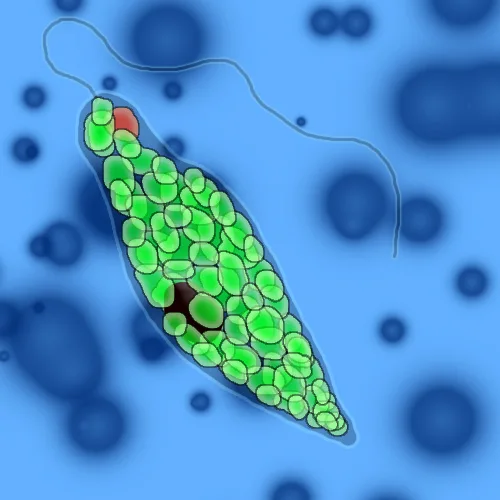
Euglena gracilis
Euglena gracilis
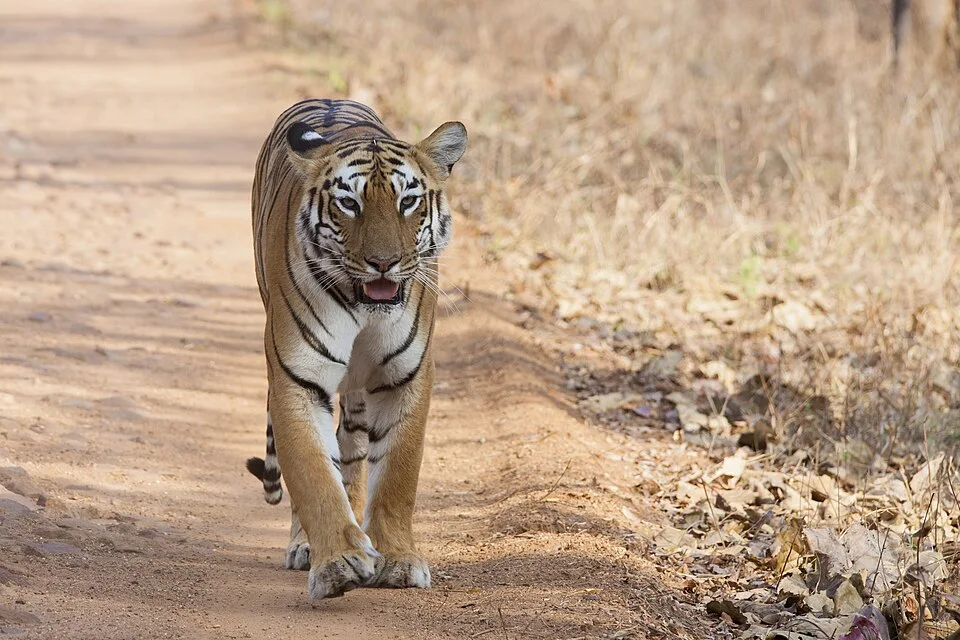
Tiger
Panthera tigris
Evidence from the profiles
Compare their characteristics
| Trait | Euglena gracilis | Tiger |
|---|---|---|
| Nutrition | Data unavailable | Carnivorous Source ↗ |
| Social organization | Not applicable | Generally solitary Source ↗ |
| Physical traits | Elongated cells have a flexible covering, chloroplasts and a flagellum used in movement. The outline can change during characteristic euglenoid motion. | Dark stripes break up the tiger’s outline. Stripe patterns vary from one individual to another. |
| Habitat and range | Freshwater and resource-rich aquatic conditions support studied populations and cultures. | Tigers live in varied habitats, including tropical forests, mangrove swamps and temperate forest. |
| Diet and nutrition | Photosynthesis supplies carbon under suitable light, while organic substrates can support heterotrophic growth under other conditions. | Tigers mainly hunt large mammals, including deer and wild pigs. |
| Behavior and activity | Light-responsive movement and changes in body form connect environmental sensing with locomotion. | A tiger usually hunts by stalking its prey and attacking at close range. |
| Reproduction and life cycle | Cells reproduce through division. Growth form and physiology change with culture conditions without representing separate species. | Data unavailable |
| Geographic distribution | Cultures are studied internationally. Field records require species identification rather than recognition of a generic green flagellate. | Data unavailable |
| Ecological role | Its flexible resource use connects photosynthetic production with consumption of organic compounds. | Data unavailable |
| Distinctive adaptations | Its plastids descend from a green alga acquired through secondary endosymbiosis. A mixotrophic lifestyle and metabolic flexibility permit growth under varied conditions. Those features make it an informative example of eukaryotic evolution: photosynthesis does not require that a single-celled organism be placed among land plants. | Data unavailable |
Classification
Shared ancestry
Closest shared taxon: Eukaryota.