 Living Beings
Compare species
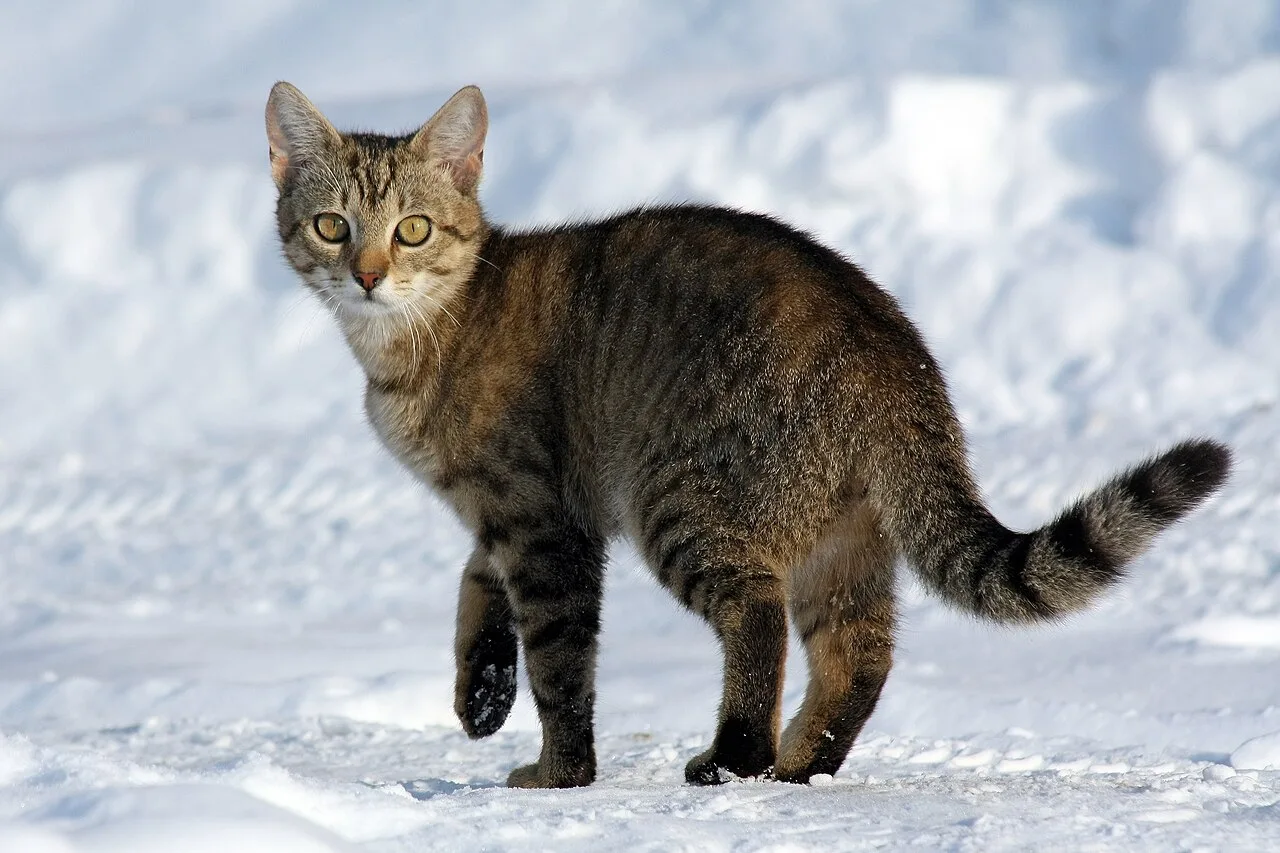
Domestic Cat
Felis catus
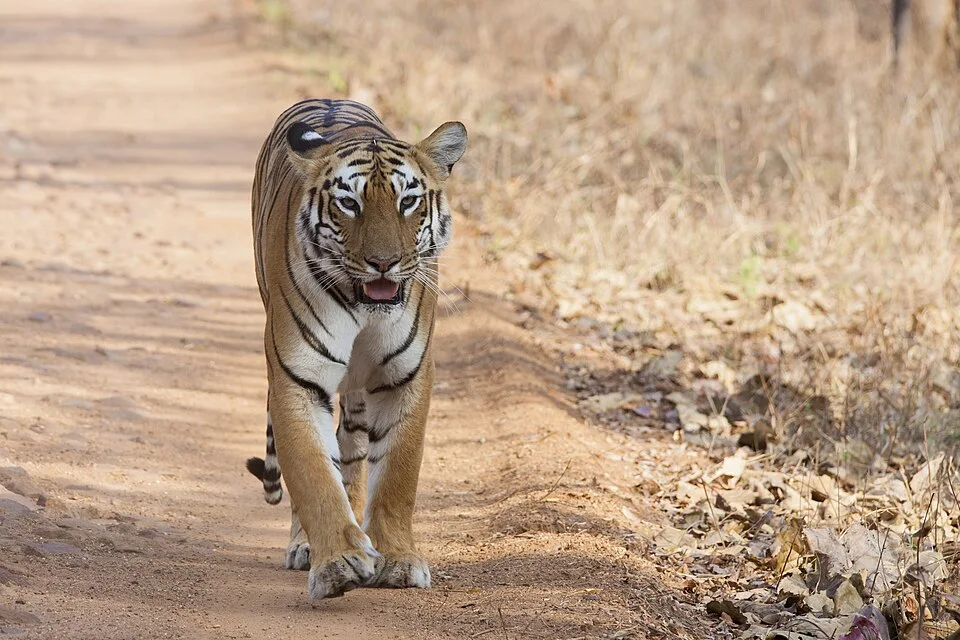
Tiger
Panthera tigris
Evidence from the profiles
Compare their characteristics
| Trait | Domestic Cat | Tiger |
|---|---|---|
| Nutrition | Data unavailable | Carnivorous Source ↗ |
| Social organization | Data unavailable | Generally solitary Source ↗ |
| Physical traits | Body size, coat pattern and hair length vary extensively through domestication. | Dark stripes break up the tiger’s outline. Stripe patterns vary from one individual to another. |
| Habitat and range | Most populations are associated with present or former human settlement, although feral animals can enter natural habitats. | Tigers live in varied habitats, including tropical forests, mangrove swamps and temperate forest. |
| Diet and nutrition | Cats are obligate carnivores. Free-ranging individuals may hunt small mammals, birds and other animals even when people also provide food. | Tigers mainly hunt large mammals, including deer and wild pigs. |
| Behavior and activity | Scent marking, body posture and vocal communication help organize interactions. Social behavior depends strongly on resources and individual history. | A tiger usually hunts by stalking its prey and attacking at close range. |
| Geographic distribution | Domestic cats have been dispersed widely by people. MDD records this taxon in its domesticated category rather than providing a list of native countries. | Data unavailable |
Classification
Shared ancestry
Closest shared taxon: Felidae.
Explore the taxonomy ↗