 Living Beings

 Framed for display
Species · Herpailurus
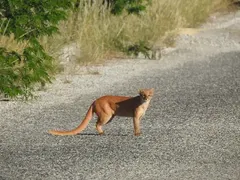
Jaguarundi
Herpailurus yagouaroundi
Camera traps recorded the slender jaguarundi mainly by day in forests where ocelots were usually detected at night.
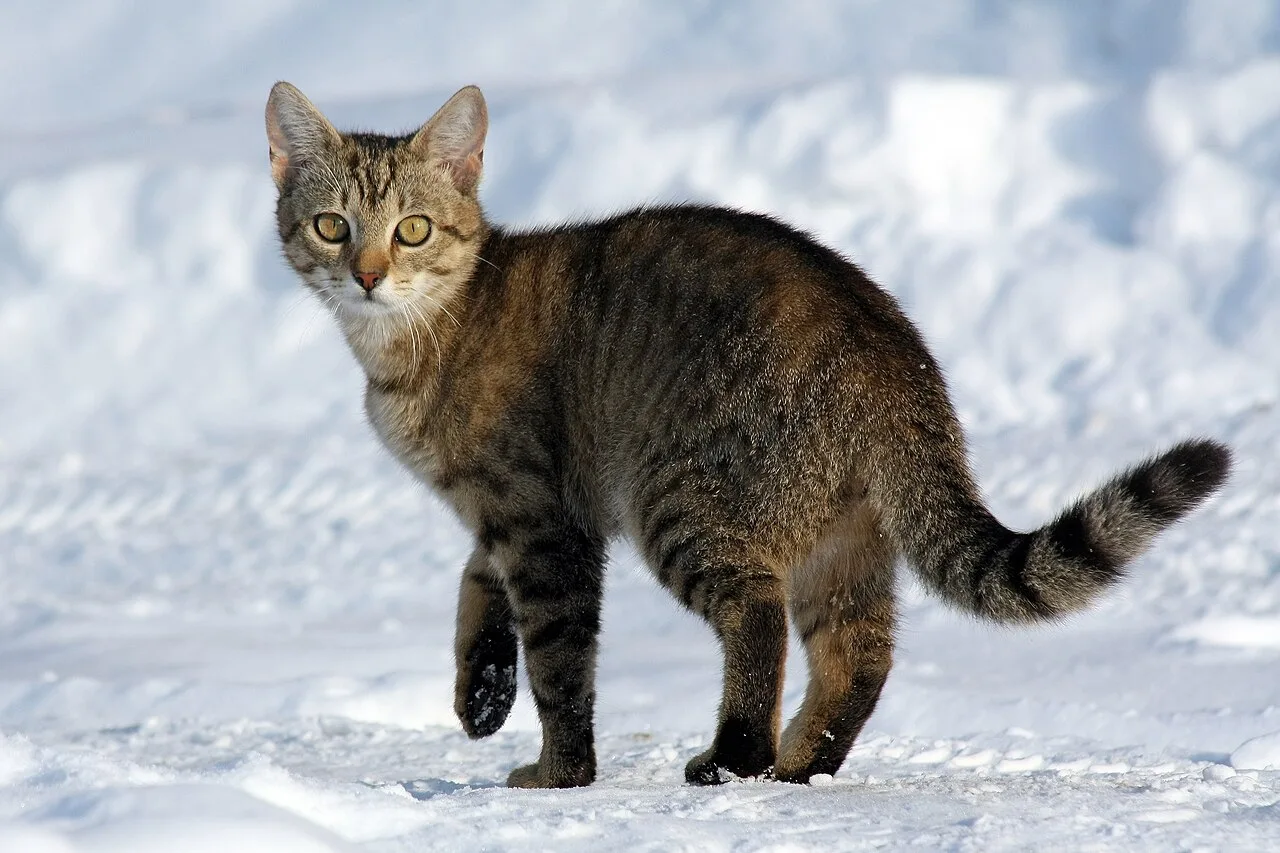
Felis catus-cat on snow.jpg · Resized and converted to WebP for display. Von.grzanka · CC BY-SA 3.0
Field guide · species
Felis catus
Ancient cat genomes help distinguish domestic cats carried into Europe from native wildcats with similar bones.
Body size, coat pattern and hair length vary extensively through domestication.
Most populations are associated with present or former human settlement, although feral animals can enter natural habitats.
Cats are obligate carnivores. Free-ranging individuals may hunt small mammals, birds and other animals even when people also provide food.
Scent marking, body posture and vocal communication help organize interactions. Social behavior depends strongly on resources and individual history.
Domestic cats have been dispersed widely by people. MDD records this taxon in its domesticated category rather than providing a list of native countries.
Ancient DNA provides a way to distinguish the arrival of domestic cats from the presence of wildcats with similar bones. In a genomic study of archaeological remains, the earliest domestic cats identified in the European sample were associated with a movement from North Africa about two thousand years ago. Earlier European remains with Near Eastern maternal lineages could still have largely European wildcat ancestry. These samples constrain a dispersal history, while the place and timing of the initial domestication remain separate questions.
Scientific source 1 ↗ · Scientific source 2 ↗ · Scientific source 3 ↗
Shared classification
Framed for display
Herpailurus yagouaroundi
Camera traps recorded the slender jaguarundi mainly by day in forests where ocelots were usually detected at night.
 Framed for display
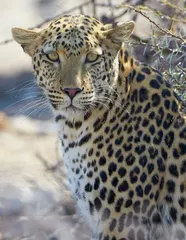
Panthera pardus
Rosettes, a muscular body and an unusually flexible choice of habitat distinguish the leopard. This solitary cat hunts from cover and can …
 Framed for display
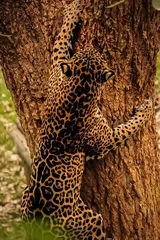
Panthera onca
The jaguar is the largest living cat native to the Americas. Its stocky build, broad head and rosetted coat suit an ambush …
 Framed for display
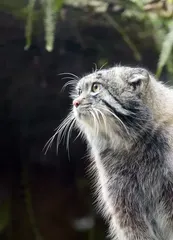
Otocolobus manul
Pallas’s cat is a compact-looking wild cat of Asian steppe and rocky landscapes. Its dense coat can make it look heavier than …
Evidence
Connected life
No reviewed ecological connections in the collection yet.