 Living Beings
Evidence from the profiles
Compare their characteristics
| Trait | Sand Cat | Tiger |
|---|---|---|
| Nutrition | Data unavailable | Carnivorous Source ↗ |
| Social organization | Data unavailable | Generally solitary Source ↗ |
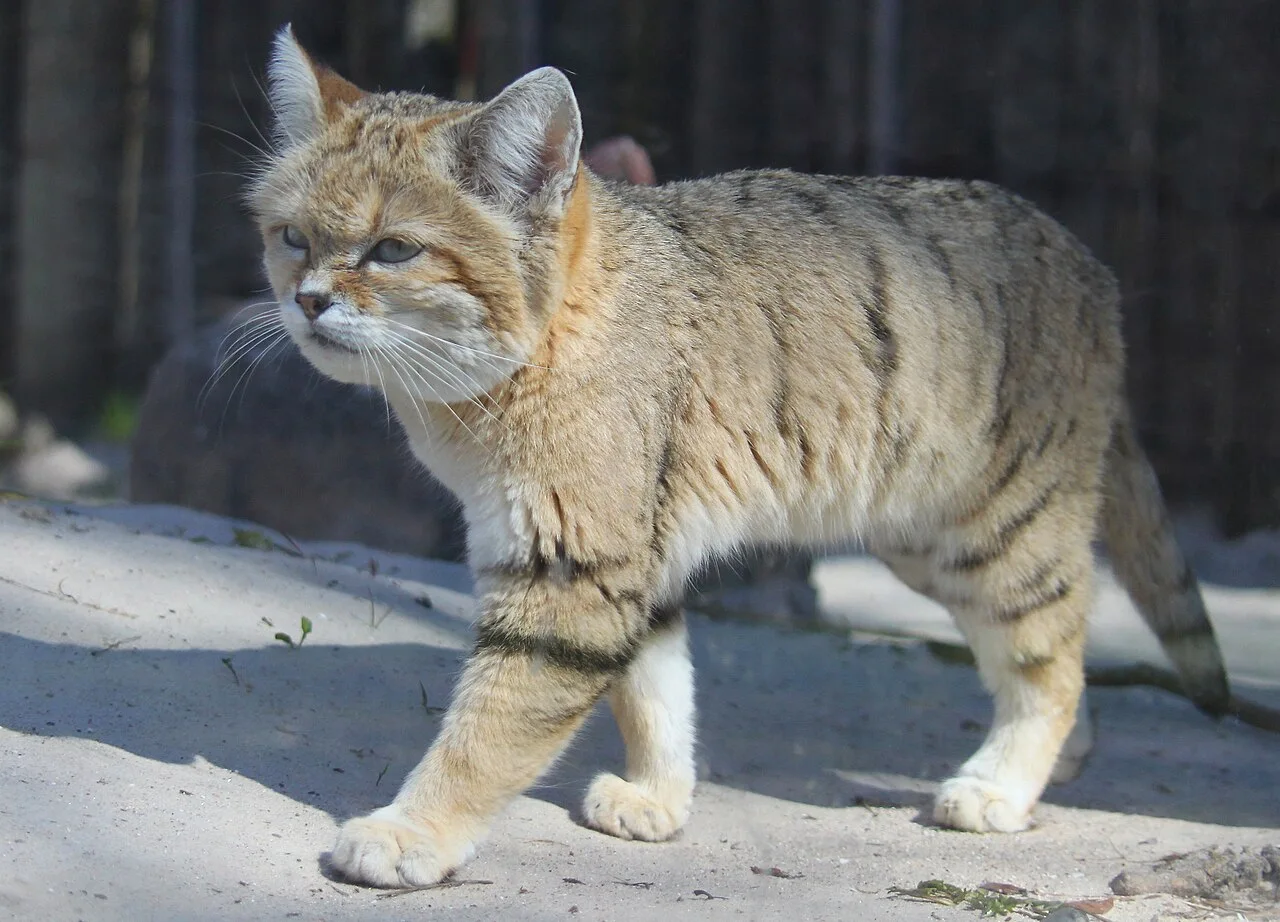
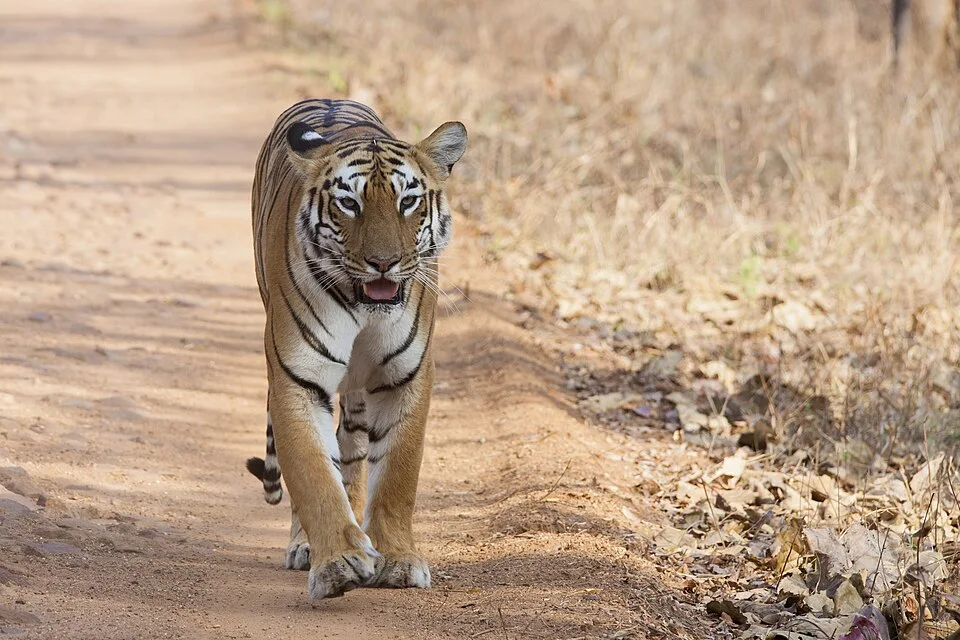
| Physical traits | A pale coat and broad head with large, low-set ears help give it a distinctive appearance. | Dark stripes break up the tiger’s outline. Stripe patterns vary from one individual to another. |
| Habitat and range | Arid sandy and stony habitats are used. Vegetation and burrows can provide important local shelter. | Tigers live in varied habitats, including tropical forests, mangrove swamps and temperate forest. |
| Diet and nutrition | Small mammals, reptiles and other desert animals are hunted according to availability. | Tigers mainly hunt large mammals, including deer and wild pigs. |
| Behavior and activity | Sand cats dig and use burrows for shelter. Activity and refuge use help them avoid the most demanding desert conditions. | A tiger usually hunts by stalking its prey and attacking at close range. |
| Geographic distribution | The Mammal Diversity Database v2.5 records this species in Algeria, Chad, Egypt, Iran, Iraq, Jordan, Kazakhstan, Kuwait, Mali, Mauritania, Morocco, Niger, Oman, Saudi Arabia, Sudan, Syria, Turkmenistan, United Arab Emirates, Uzbekistan, Israel?, Pakistan?, Qatar?, Yemen?. | Data unavailable |
Classification
Shared ancestry
Closest shared taxon: Felidae.
Explore the taxonomy ↗