 Living Beings
Compare species
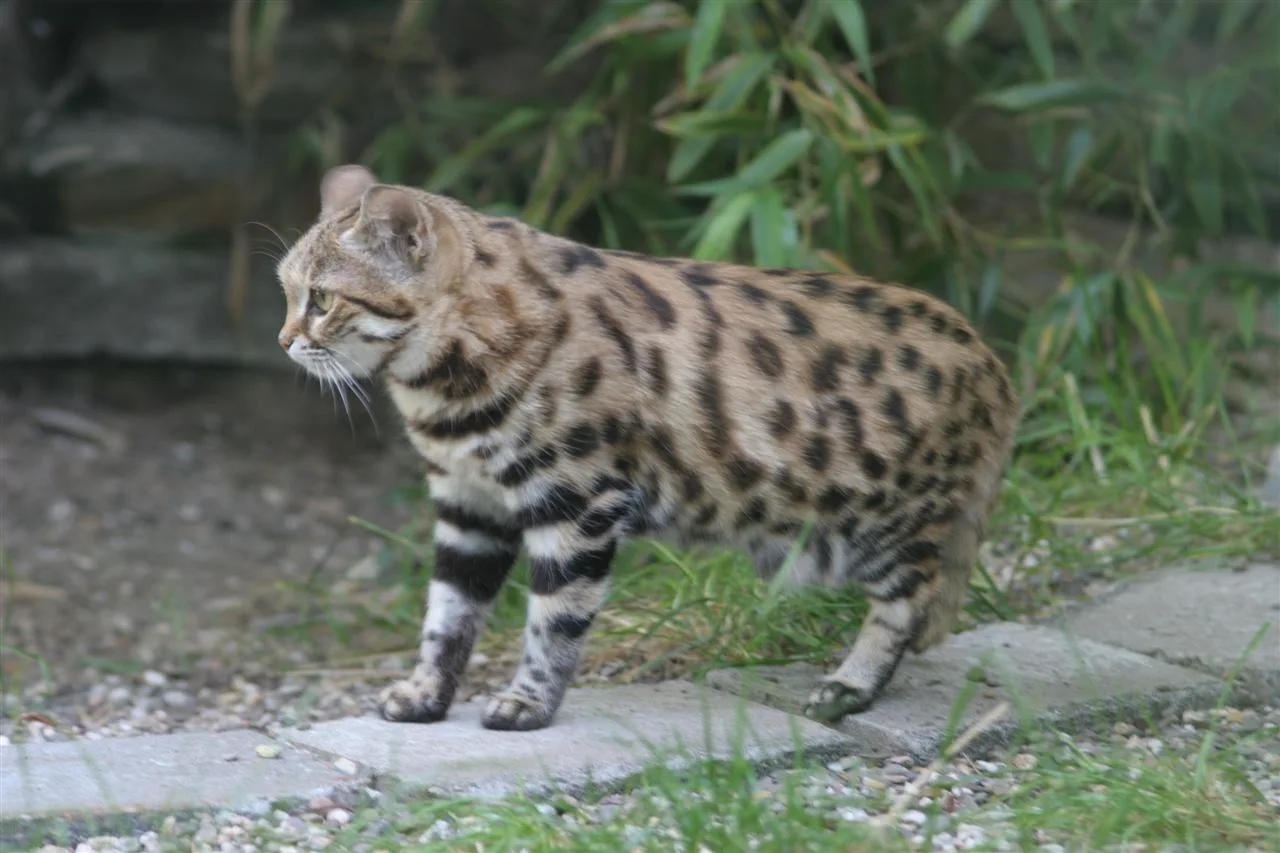
Black-footed Cat
Felis nigripes
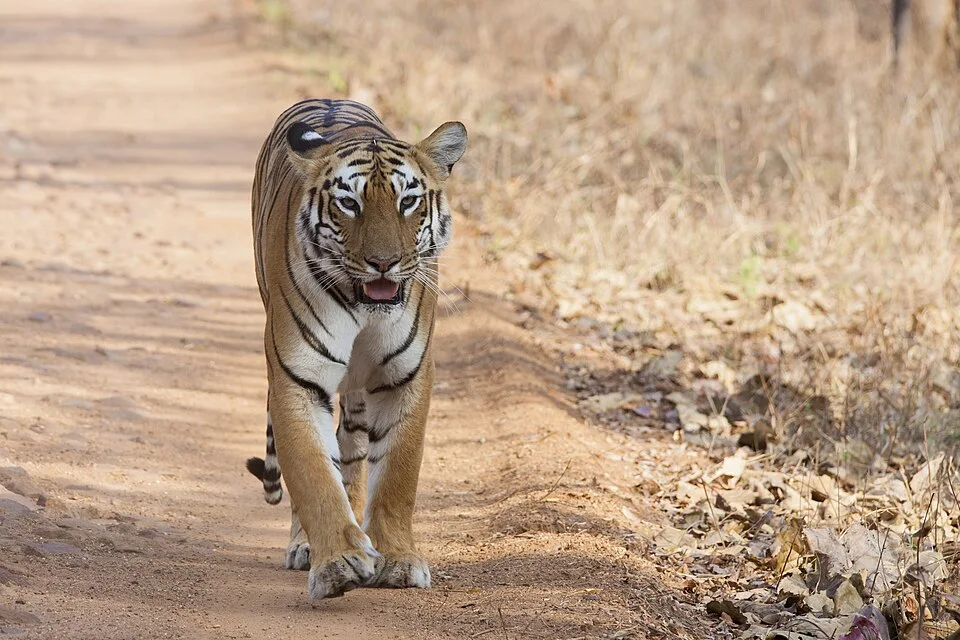
Tiger
Panthera tigris
Evidence from the profiles
Compare their characteristics
| Trait | Black-footed Cat | Tiger |
|---|---|---|
| Nutrition | Data unavailable | Carnivorous Source ↗ |
| Social organization | Data unavailable | Generally solitary Source ↗ |
| Physical traits | Dark spots and bands break up a pale brown coat. Dark foot markings contribute to the common name. | Dark stripes break up the tiger’s outline. Stripe patterns vary from one individual to another. |
| Habitat and range | Dry grassland and savanna provide hunting habitat, with existing holes and sheltered spaces used as refuges. | Tigers live in varied habitats, including tropical forests, mangrove swamps and temperate forest. |
| Diet and nutrition | Small mammals and birds make up much of its prey. The species hunts numerous small animals rather than relying on large kills. | Tigers mainly hunt large mammals, including deer and wild pigs. |
| Behavior and activity | Individuals are largely solitary, meeting for breeding or in mother–young associations. Much hunting takes place at night. | A tiger usually hunts by stalking its prey and attacking at close range. |
| Geographic distribution | The Mammal Diversity Database v2.5 records this species in Botswana, Namibia, South Africa, Angola?, Eswatini?, Lesotho?, Zimbabwe?. | Data unavailable |
Classification
Shared ancestry
Closest shared taxon: Felidae.
Explore the taxonomy ↗