 Living Beings
Compare species
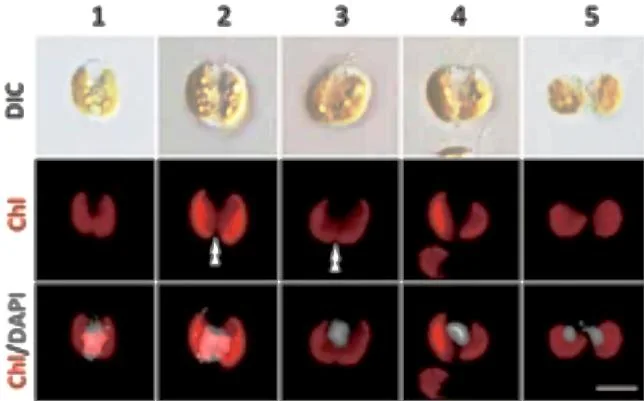
Guillardia theta
Guillardia theta
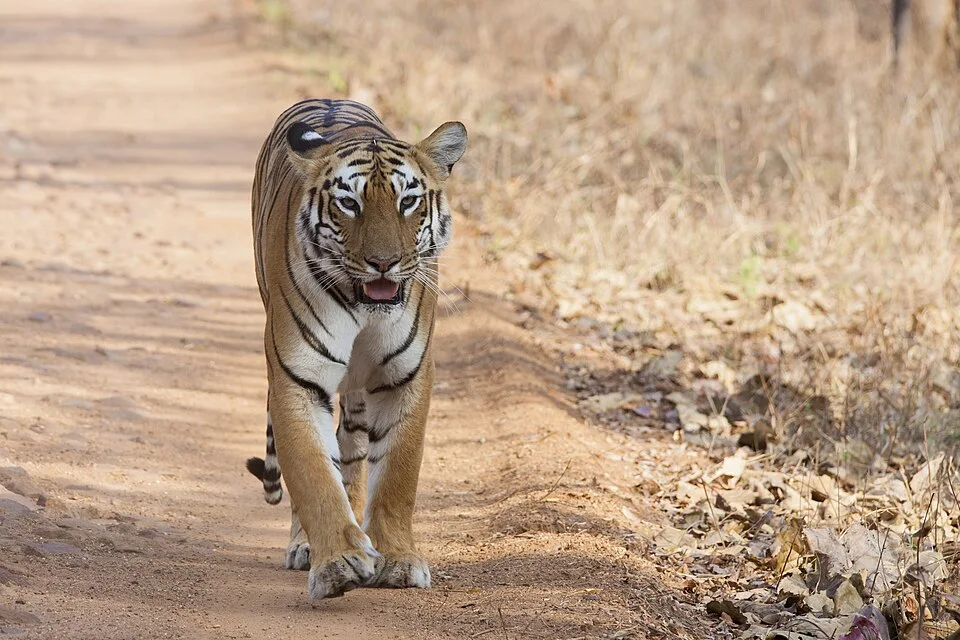
Tiger
Panthera tigris
Evidence from the profiles
Compare their characteristics
| Trait | Guillardia theta | Tiger |
|---|---|---|
| Nutrition | Data unavailable | Carnivorous Source ↗ |
| Social organization | Not applicable | Generally solitary Source ↗ |
| Physical traits | The microscopy montage combines transmitted-light images with fluorescence channels. The colored signals mark cellular structures and should not be mistaken for the organism’s natural visible coloration. | Dark stripes break up the tiger’s outline. Stripe patterns vary from one individual to another. |
| Habitat and range | The cited sequencing studies describe laboratory strains. A complete field distribution and habitat preference should not be inferred from those cultures alone. | Tigers live in varied habitats, including tropical forests, mangrove swamps and temperate forest. |
| Diet and nutrition | A chloroplast supports photosynthesis. The plastid contains its own compact genome, distinct from the main nuclear genome. | Tigers mainly hunt large mammals, including deer and wild pigs. |
| Behavior and activity | Cellular research distinguishes nuclear, plastid and mitochondrial functions rather than assigning all activity to a single genome. | A tiger usually hunts by stalking its prey and attacking at close range. |
| Reproduction and life cycle | Cells grow and divide as microscopic eukaryotes. The image follows cellular stages; these are not separate species or animal life stages. | Data unavailable |
| Ecological role | As an alga it contributes a photosynthetic lineage to microbial diversity. The cited genome studies do not provide a full account of its abundance in nature. | Data unavailable |
| Distinctive adaptations | A nucleomorph, a highly reduced remnant nucleus of the engulfed red-algal partner, persists beside the plastid. This is evidence of secondary endosymbiosis. | Data unavailable |
Classification
Shared ancestry
Closest shared taxon: Eukaryota.