 Living Beings
Evidence from the profiles
Compare their characteristics
| Trait | Sun Bear | Tiger |
|---|---|---|
| Nutrition | Data unavailable | Carnivorous Source ↗ |
| Social organization | Data unavailable | Generally solitary Source ↗ |
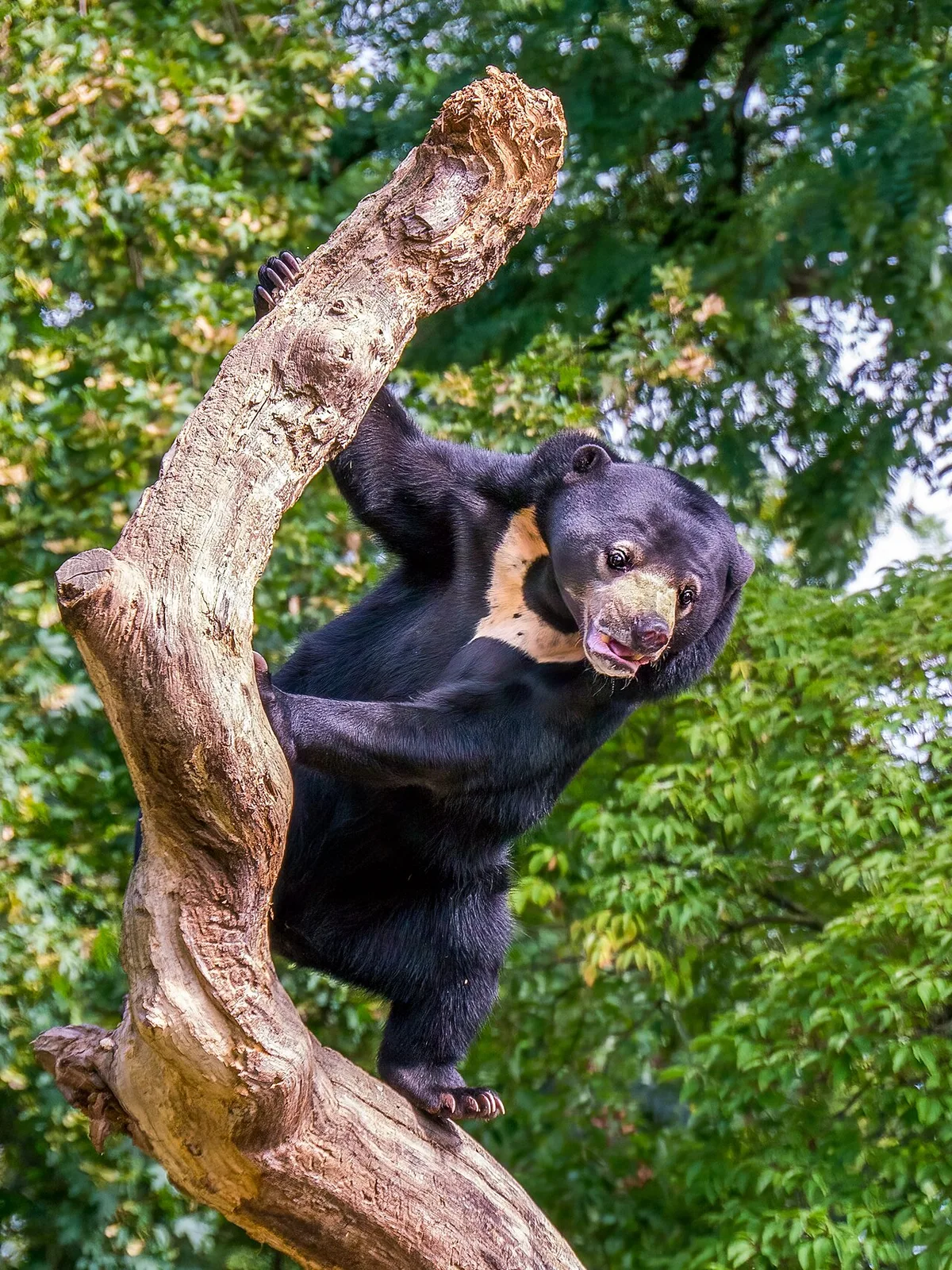
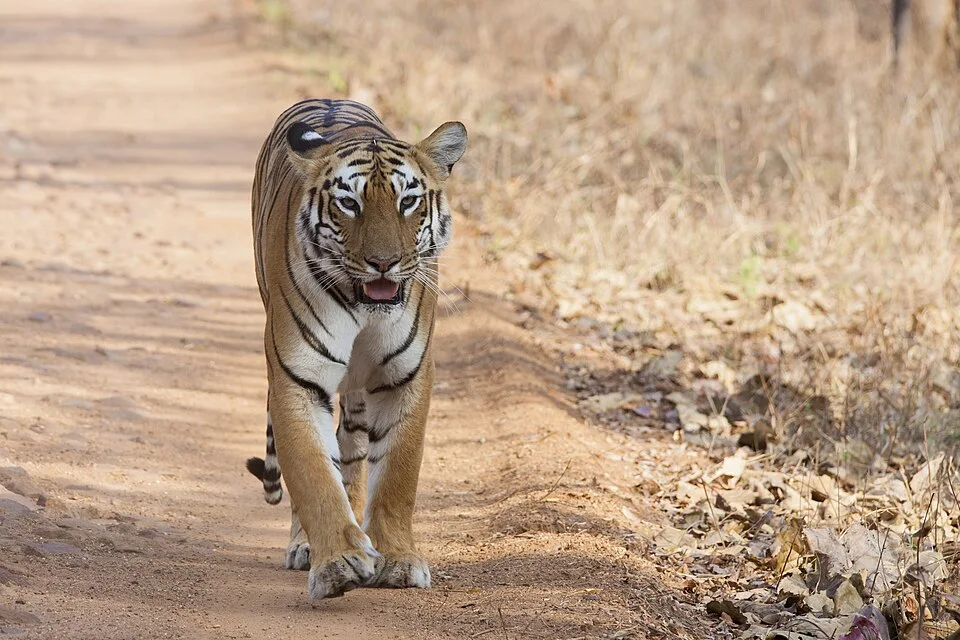
| Physical traits | A short dark coat contrasts with a pale chest patch and lighter muzzle. Strong limbs and curved claws are conspicuous features of its climbing build. | Dark stripes break up the tiger’s outline. Stripe patterns vary from one individual to another. |
| Habitat and range | Tropical forests provide fruiting trees, insect colonies and sheltered resting places. Tree cover is important even though bears also forage on the ground. | Tigers live in varied habitats, including tropical forests, mangrove swamps and temperate forest. |
| Diet and nutrition | Insects and other invertebrates are eaten alongside fruit and other foods. Feeding varies with local availability; the species is an opportunistic omnivore, not exclusively a honey eater. | Tigers mainly hunt large mammals, including deer and wild pigs. |
| Behavior and activity | Sun bears are capable climbers and may rest in trees. Their tropical setting differs from the strongly seasonal environments of bears that undergo a prolonged winter dormancy. | A tiger usually hunts by stalking its prey and attacking at close range. |
| Reproduction and life cycle | Young depend on maternal care. Much reproductive information comes from managed animals, and detailed schedules should not be assumed identical in every wild population. | Data unavailable |
| Geographic distribution | The Mammal Diversity Database v2.5 records this species in Bangladesh, Brunei, Cambodia, India, Indonesia, Laos, Malaysia, Myanmar, Thailand, Vietnam, China?. | Data unavailable |
Classification
Shared ancestry
Closest shared taxon: Carnivora.