 Living Beings
 Framed for display
Compare species
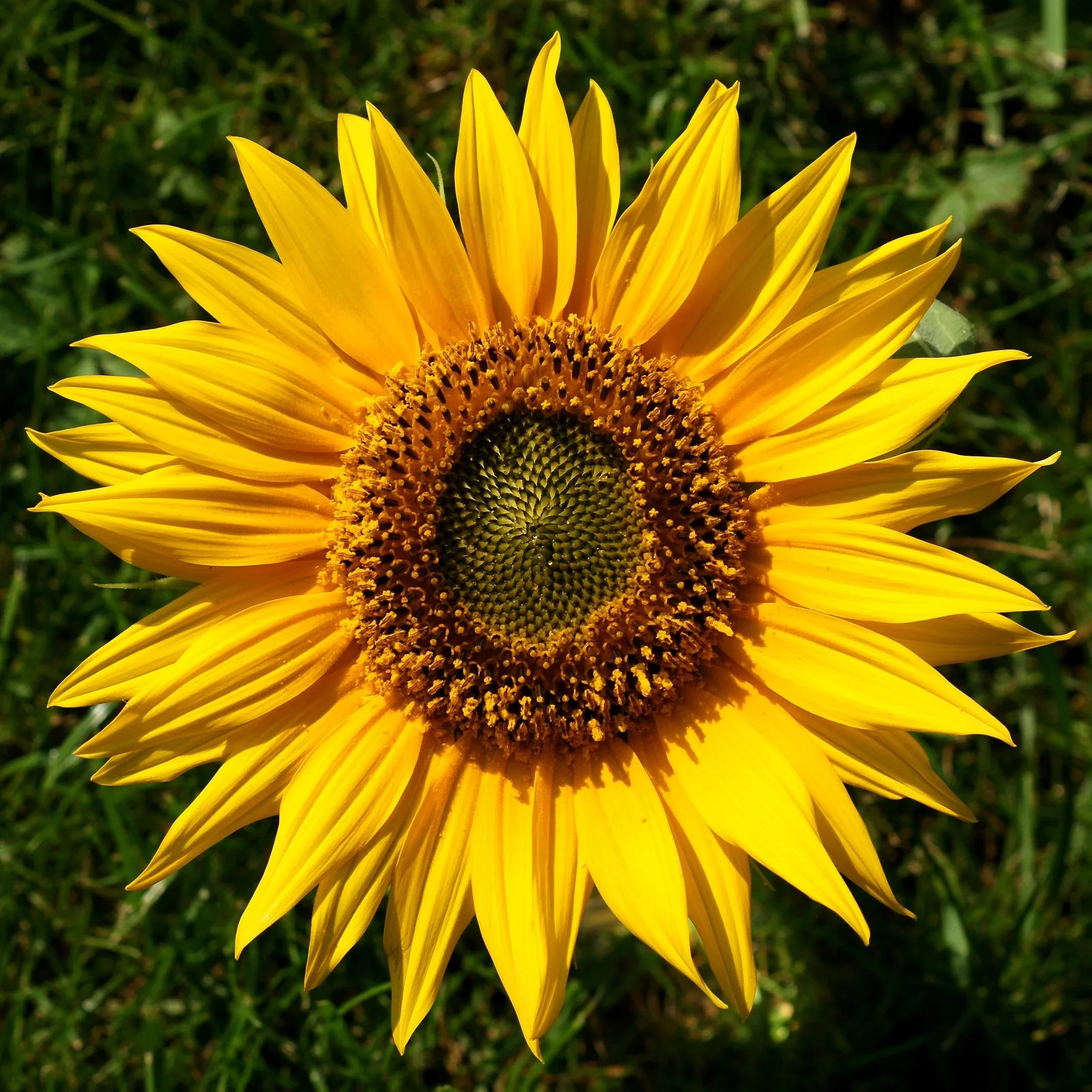
Common Sunflower
Helianthus annuus
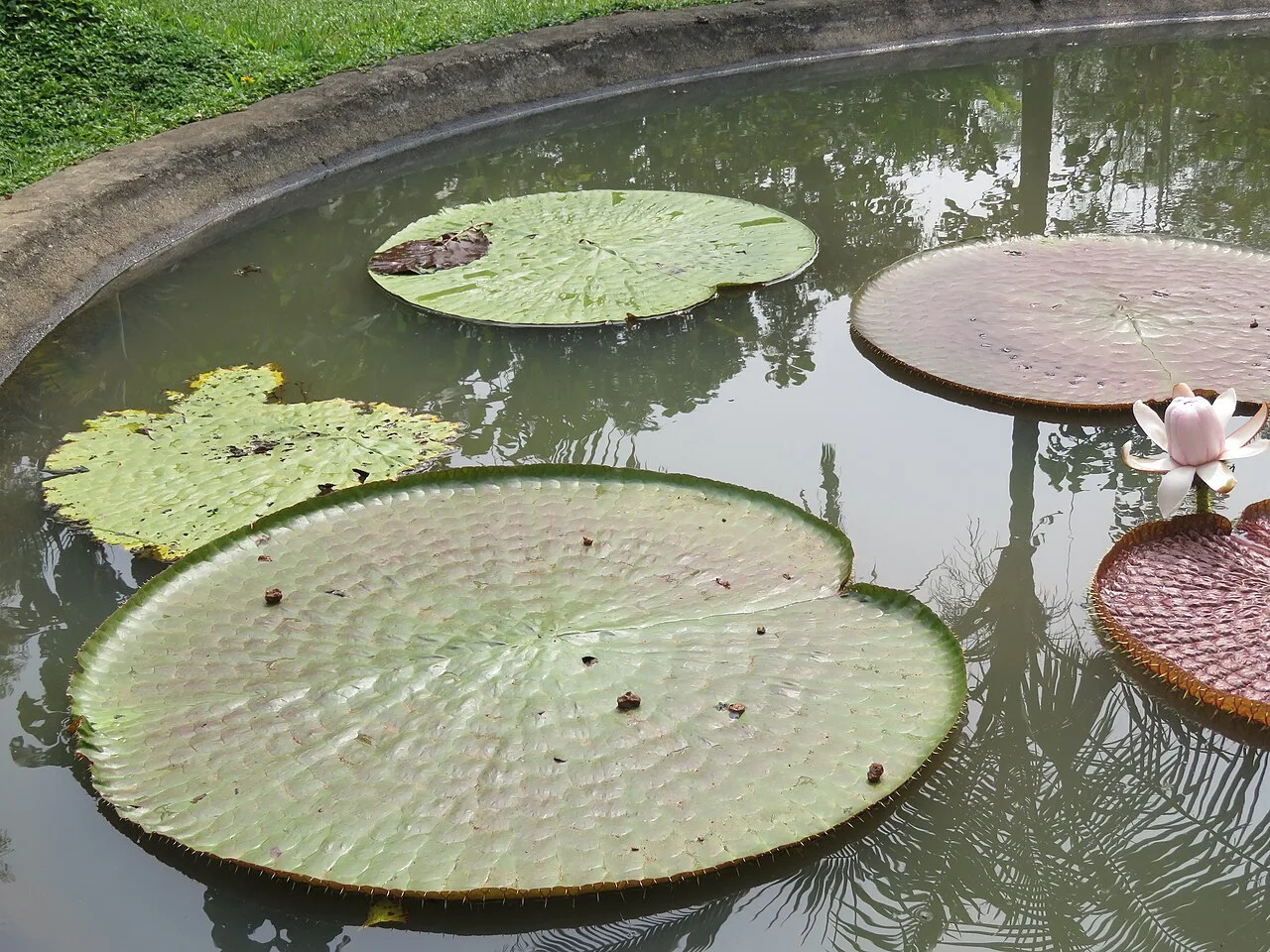
Giant Waterlily
Victoria amazonica
How to compare two organisms
Choose two species and trace their closest shared group. Then compare a trait with the same definition on each side. Check the units, life stage and context before interpreting a measurement or range.
Missing data means that the collection lacks a sourced value. Where a characteristic does not apply to a lineage, the comparison labels it separately. Open the two profiles for context and follow their sources before drawing a conclusion.
Classification
Shared ancestry
Closest shared taxon · Magnoliopsida.
Separate lineages
Biological comparison
Compare like with like. A mean, a range and a reported maximum summarize different things. Check the population and field or study conditions before interpreting differences.
| Characteristic | Common Sunflower | Giant Waterlily |
|---|---|---|
| Scientific measurements | ||
| Leaf blade width | Not recorded |
230 cm
Reported maximum Source and measurement contextUpper blade width in the modern taxonomic description for this species. · ≈ 91 in Width across the leaf blade, excluding the stalk.
|
| Disc floret corolla length |
5–8 mm
Reported range Source and measurement contextLength of the corolla of one disc floret from the center of the head. Length of the united petals of one floret in the center of the flower head. Flora of North America · Common sunflower ↗ Disc florets | Different measurement scope |
| Natural history | ||
| Nutrition and energy acquisition |
Green leaves capture light and fix carbon through photosynthesis; roots absorb water and mineral nutrients. Source 1 ↗Source 2 ↗ |
Sunlit leaves produce organic carbon through photosynthesis. Roots and submerged tissues obtain water and nutrients from the aquatic environment. Source 1 ↗Source 2 ↗ |
| Habitat |
Open, sunny ground supports growth. Roadsides, fields and disturbed areas are common settings for wild or naturalized plants. Source 1 ↗Source 2 ↗ |
Warm, relatively calm freshwater allows broad floating leaves to spread while their stalks remain connected to the submerged plant. Source 1 ↗Source 2 ↗ |
| Geographic distribution |
Native to North America and widely introduced through cultivation. A sunflower in a garden is not evidence of a native population. Source 1 ↗Source 2 ↗ |
Native to tropical South America, particularly the Amazon basin. The photograph illustrates a cultivated plant in India, not a native Indian population. Source 1 ↗Source 2 ↗ |
| Morphology |
Rough, hairy stems carry broad, toothed leaves. Yellow ray florets surround a darker central disk in familiar forms, although cultivated varieties differ in color and size. Source 1 ↗Source 2 ↗ |
Rounded leaf blades float at the surface, supported by a strongly ribbed underside. The raised leaf margin makes a distinctive shallow tray. Source 1 ↗Source 2 ↗ |
| Reproduction and life cycle |
A seed germinates, the plant grows and flowers, and new seeds mature within one growing season. It does not persist through winter as the same adult plant in cold climates. Source 1 ↗Source 2 ↗ |
Flowers open through a female phase and a later male phase, changing from white toward pink. Beetles visit the warm, scented flowers and can transfer pollen between them. Source 1 ↗Source 2 ↗ |
| Ecological role |
Flower heads attract insects, while mature seed heads provide food for birds and squirrels. Source 1 ↗Source 2 ↗ |
Flowering connects this aquatic plant with insect pollinators. Details from other Victoria species should not automatically be applied to V. amazonica. Source 1 ↗Source 2 ↗ |
| Behavior and activity |
No separate account recorded |
No separate account recorded |
| Environmental adaptations |
A taproot and sturdy stem support growth in exposed places. Cultivation has selected forms with very different head sizes and branching patterns. Source 1 ↗Source 2 ↗ |
Large floating blades place the photosynthetic surface in the light, while the ribbed underside supports the leaf. Source 1 ↗Source 2 ↗ |
| Conservation |
No separate account recorded |
No separate account recorded |
Sources from both profiles
More comparisons
Framed for display

 Framed for display

 Framed for display
