 Living Beings
Compare species
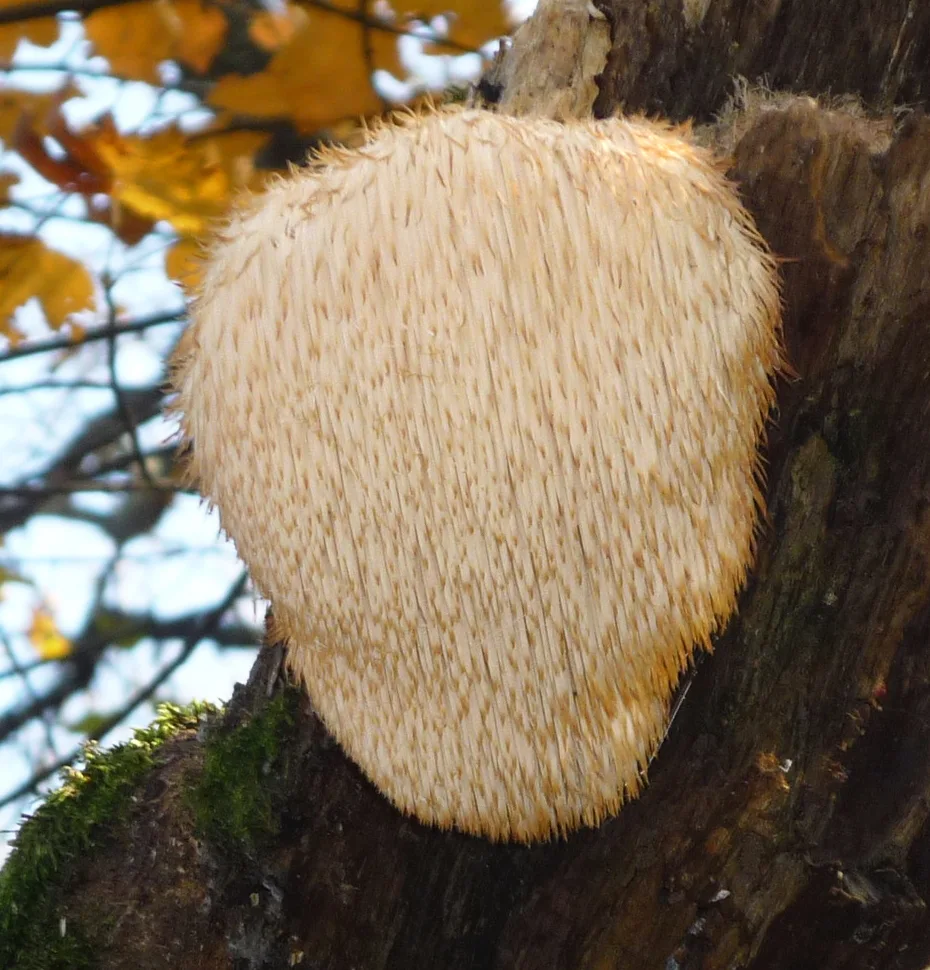
Lion’s Mane Fungus
Hericium erinaceus
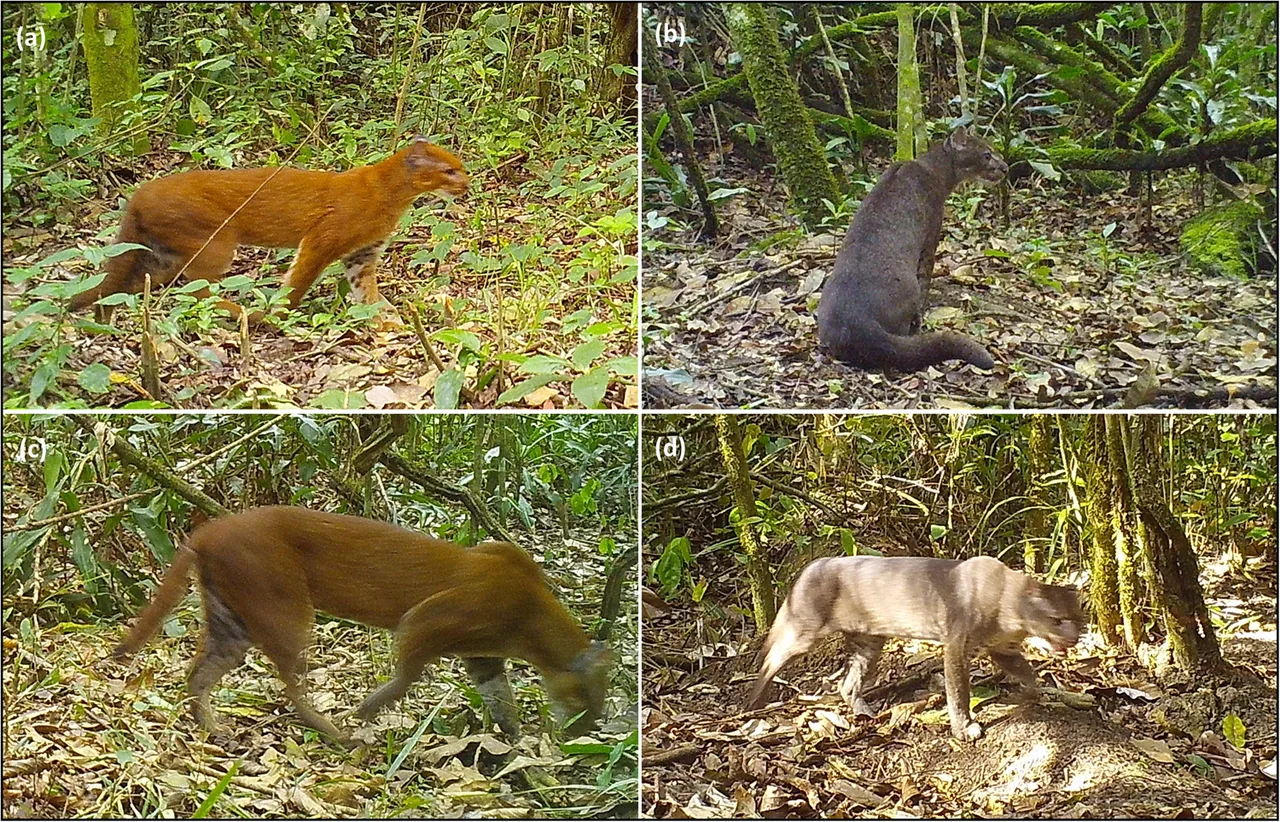
African Golden Cat
Caracal auratus
How to compare two organisms
Choose two species and trace their closest shared group. Then compare a trait with the same definition on each side. Check the units, life stage and context before interpreting a measurement or range.
Missing data means that the collection lacks a sourced value. Where a characteristic does not apply to a lineage, the comparison labels it separately. Open the two profiles for context and follow their sources before drawing a conclusion.
Evidence from the profiles
Compare their characteristics
| Trait | Lion’s Mane Fungus | African Golden Cat |
|---|---|---|
| Physical traits | A mature fruiting body develops long, hanging spines from an essentially unbranched mass. Older tissue can become yellowish or brownish. | The body is robust and the coat varies between reddish and grayish forms. Spotting can be more visible on some parts of the body. |
| Habitat and range | Wounds in living hardwood trees and recently dead wood are characteristic sites. The fungal mycelium extends within the wood. | Dense African forest and secondary growth provide cover and hunting habitat. |
| Diet and nutrition | It obtains nutrients from wood and can live in association with a living tree as well as decomposing dead material. | Rodents and other forest mammals are important prey. Birds and additional small animals may also be taken. |
| Behavior and activity | Data unavailable | It is generally solitary and difficult to observe in dense cover. Sparse observations should not be treated as a complete account of its daily behavior. |
| Reproduction and life cycle | The fruiting body releases spores from surfaces on its hanging teeth. The vegetative fungal network is a separate, longer-lasting part of the organism. | Data unavailable |
| Geographic distribution | Records occur in Europe, Asia and the Americas. The currently used name may conceal geographically structured diversity, so a broad distribution does not prove all populations are identical. | The Mammal Diversity Database v2.5 records this species in Angola, Cameroon, Central African Republic, Cote d'Ivoire, Democratic Republic of the Congo, Equatorial Guinea, Gabon, Ghana, Guinea, Liberia, Nigeria, Republic of the Congo, Sierra Leone, Uganda, Benin?, Burundi?, Gambia?, Guinea-Bissau?, Kenya?, Rwanda?, Senegal?, Sudan?, Togo?. |
| Ecological role | Its activity contributes to the changing structure and decomposition of hardwood. | Data unavailable |
| Distinctive adaptations | Immature branched Hericium species can resemble a young lion’s mane. Mature architecture is more informative than a white, fuzzy appearance alone. | Data unavailable |
Classification
Shared ancestry
Closest shared taxon: Opisthokonta.