 Living Beings
Compare species
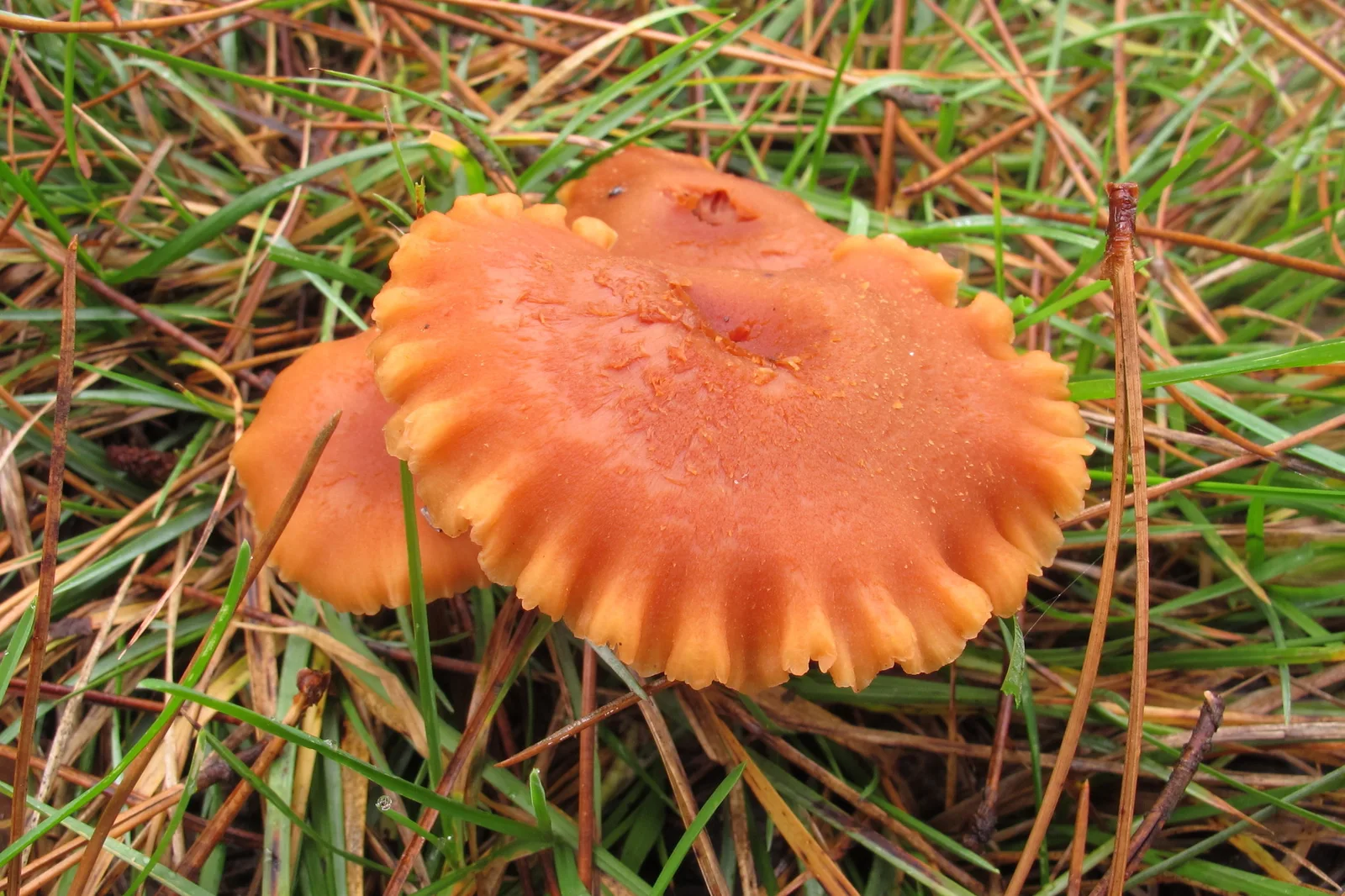
Laccaria bicolor
Laccaria bicolor
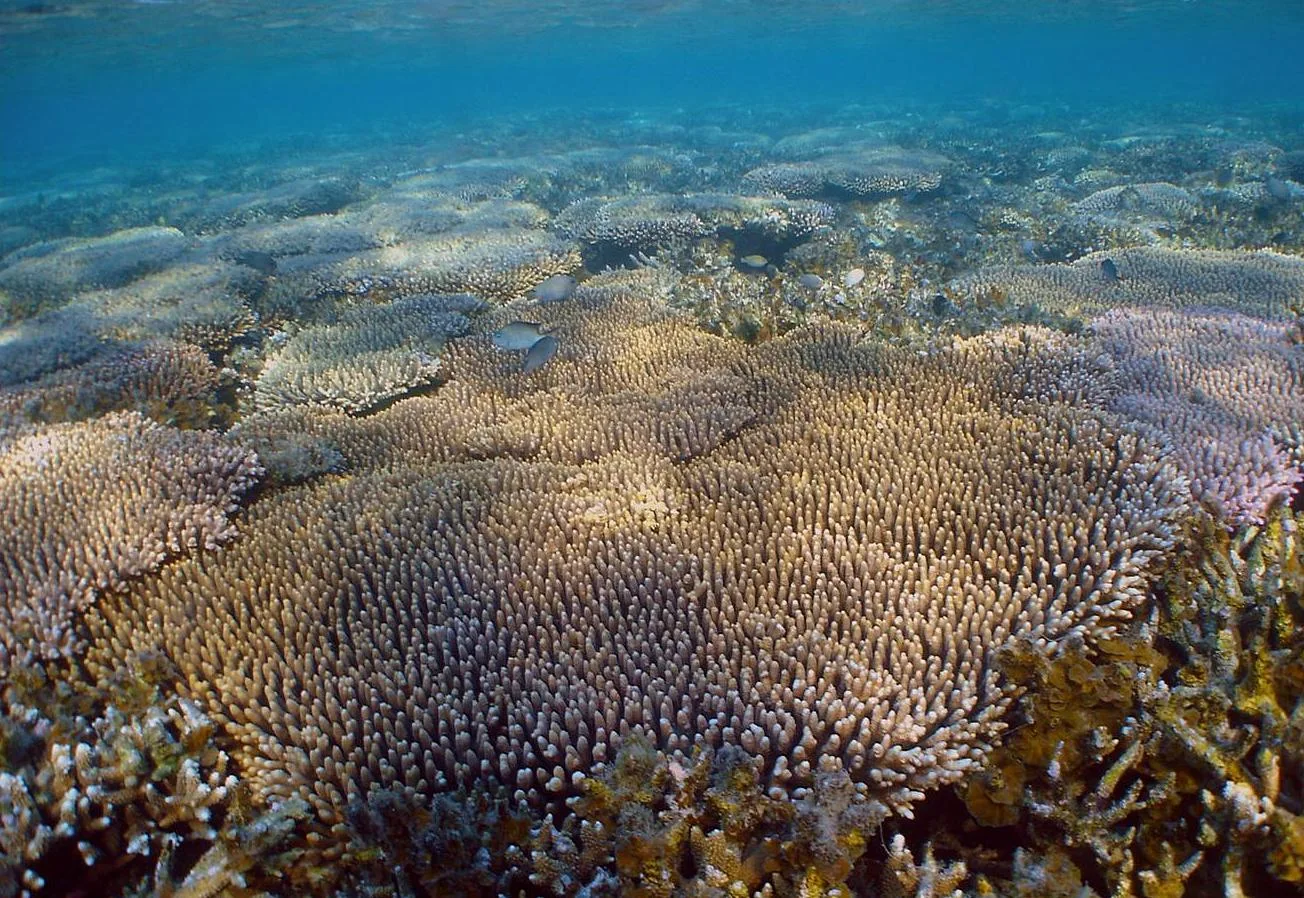
Acropora millepora
Acropora millepora
How to compare two organisms
Choose two species and trace their closest shared group. Then compare a trait with the same definition on each side. Check the units, life stage and context before interpreting a measurement or range.
Missing data means that the collection lacks a sourced value. Where a characteristic does not apply to a lineage, the comparison labels it separately. Open the two profiles for context and follow their sources before drawing a conclusion.
Evidence from the profiles
Compare their characteristics
| Trait | Laccaria bicolor | Acropora millepora |
|---|---|---|
| Physical traits | Young mushrooms combine a pinkish or tan cap with lilac tones in the gills and mycelium around the stem base. Those colors fade with age. The E-Flora BC account also describes a white spore deposit and ornamented spores. Related Laccaria can look similar, particularly after fading. | Colonies form branching structures covered by small skeletal cups that house polyps. Colony color alone is insufficient for secure species identification. |
| Habitat and range | Documented collections include mixed woodland and soil or moss beneath conifers. Compatible living roots are central to its ectomycorrhizal habitat. The reproductive mushrooms develop above a hyphal network whose root associations are largely hidden underground. | Shallow, well-lit marine reef environments support the coral and its photosynthetic partners. |
| Diet and nutrition | The fungus receives plant-derived carbon through a root partnership while hyphae explore soil resources. Its genome lacks many enzymes that attack plant cell walls but retains other organic-substrate capabilities, distinguishing it from fungi specialized in aggressive breakdown of plant tissue. | Polyps capture small suspended food, while algal symbionts contribute photosynthetic products. |
| Behavior and activity | Hyphae proliferate around and between the outer cells of colonized roots. The genome study identified small secreted proteins strongly associated with symbiotic tissues, connecting development of the root interface with altered fungal gene activity. | Tentacles and mucus help the colony interact with surrounding seawater. Recognition mechanisms influence responses to microbes. |
| Reproduction and life cycle | Basidia on the gills produce spores. Spores provide opportunities to establish new fungal growth, while the vegetative mycelium occupies soil and root-associated habitats. Mushrooms are reproductive structures, rather than the whole extent of an individual fungus. | Colonies grow by producing additional polyps. Sexual reproduction can release gametes that develop into settling larvae. |
| Geographic distribution | The species has documented North American collections, including several Canadian provinces and western and northern US states in the E-Flora BC treatment. A primary Swedish revision also recognizes Laccaria bicolor among the country's taxa. Together these establish a range extending beyond the genome reference isolate in North America and northern Europe. They do not justify assigning every photograph or culture a global wild range. | The species occurs in the Indo-Pacific reef region. Species-level locality records should accompany detailed range mapping. |
| Ecological role | The root partnership contributes to forest carbon and nitrogen cycling. Experimental work uses Laccaria bicolor to investigate how a fungus colonizes living roots and coordinates resource exchange with a host. | Skeletal growth contributes reef structure and habitat. Symbiotic interactions are central to energy supply and colony health. |
| Distinctive adaptations | Symbiosis-associated secreted proteins and selective enzyme capabilities distinguish its root-associated lifestyle. Fading pigments are also important for field identification: the lilac tones of fresh young specimens may be lost as the mushrooms age. | A colonial body and partnerships with photosynthetic cells support growth in well-lit reef environments. |
| Conservation | Data unavailable | Thermal stress, bleaching and degradation of reef habitat are concerns. A source on molecular recognition does not establish a current Red List category. |
Classification
Shared ancestry
Closest shared taxon: Opisthokonta.