 Living Beings
Compare species
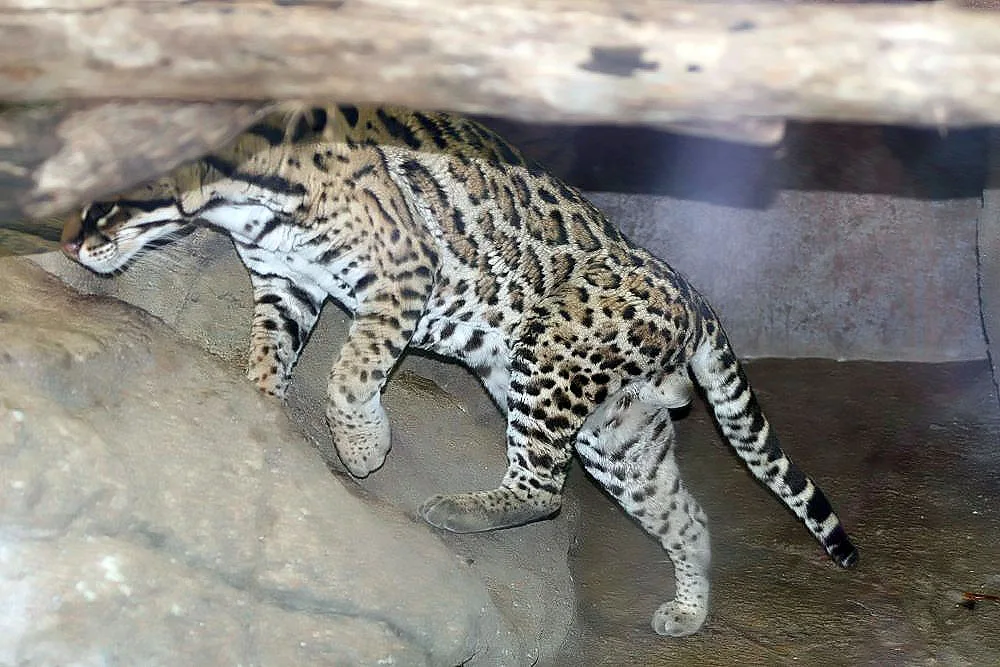
Ocelot
Leopardus pardalis
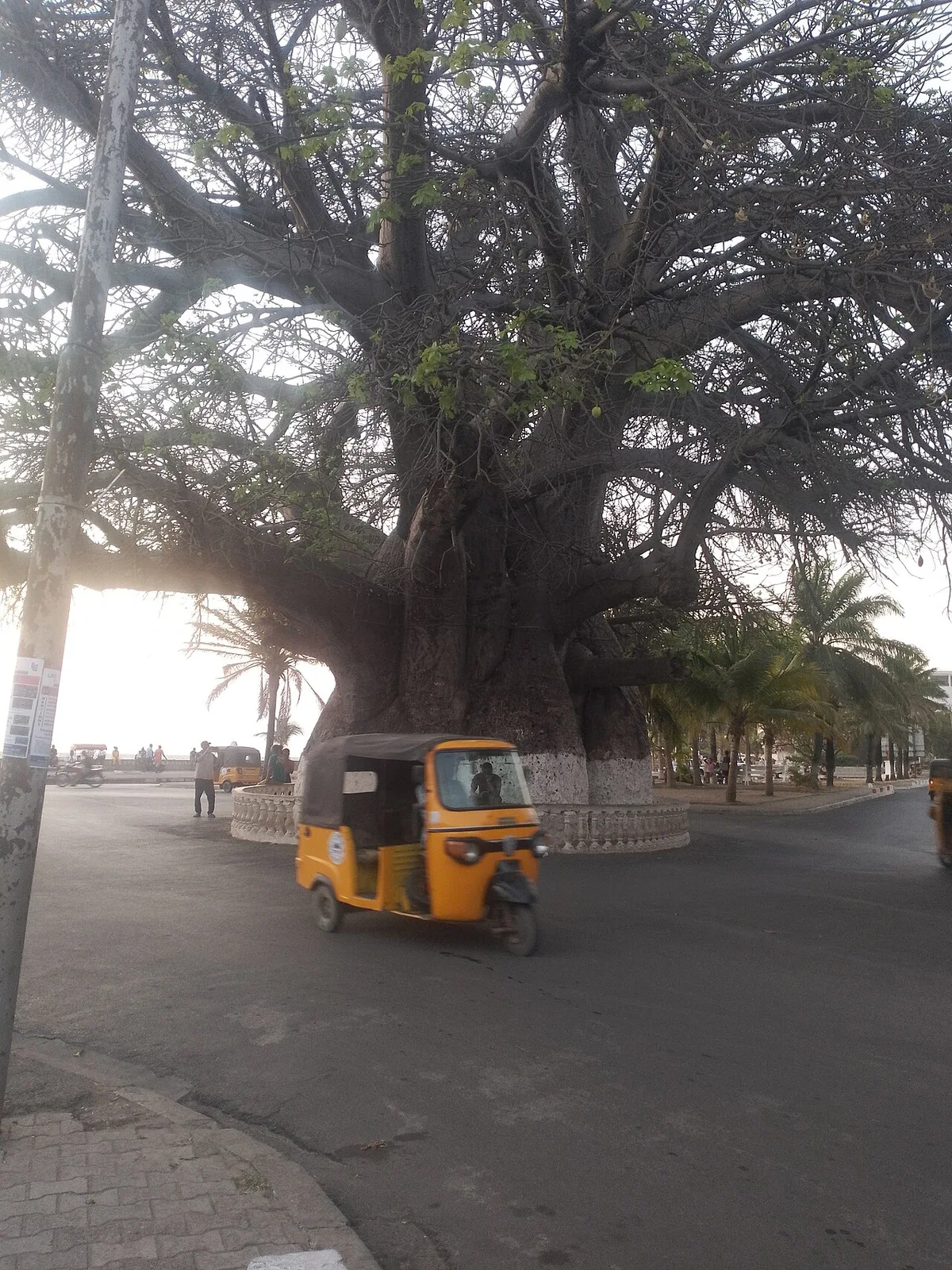
African Baobab
Adansonia digitata
Evidence from the profiles
Compare their characteristics
| Trait | Ocelot | African Baobab |
|---|---|---|
| Physical traits | Dark spots and elongated markings form complex patterns on a sturdy body. | Thick, fibrous bark surrounds a broad trunk. Each compound leaf has several leaflets radiating from a central point. |
| Habitat and range | Forests, scrub and other habitats with substantial cover can be used, including some wetland-associated landscapes. | A terrestrial tree of tropical Africa, it is adapted to seasonally dry conditions and is also planted in gardens and settlements. |
| Diet and nutrition | Small vertebrates are important foods, and prey is located using several senses, including scent. | Leaves produce sugars through photosynthesis. Water and mineral nutrients are taken up through the roots. |
| Behavior and activity | Ocelots commonly travel and hunt alone. They can climb, but much hunting and movement take place on the ground. | Data unavailable |
| Reproduction and life cycle | Data unavailable | Large, hanging white flowers develop into capsules containing seeds embedded in pale, powdery pulp. New trees can be grown from seed. |
| Geographic distribution | The Mammal Diversity Database v2.5 records this species in Argentina, Belize, Bolivia, Brazil, Colombia, Costa Rica, Ecuador, El Salvador, French Guiana, Guatemala, Guyana, Honduras, Mexico, Nicaragua, Panama, Paraguay, Peru, Suriname, United States, Venezuela. | Native to Africa and cultivated elsewhere. The accompanying photograph shows a planted specimen in Madagascar; that location should not be confused with the native range of every baobab species. |
| Ecological role | Data unavailable | Its flowers, fruit and extensive woody structure provide biological resources. The familiar name baobab also applies to other species, which should not be confused with this one. |
| Distinctive adaptations | Data unavailable | A substantial trunk and drought-resistant growth form help distinguish this tree from many humid-forest trees. |
Classification
Shared ancestry
Closest shared taxon: Eukaryota.