 Living Beings
 Framed for display
Compare species
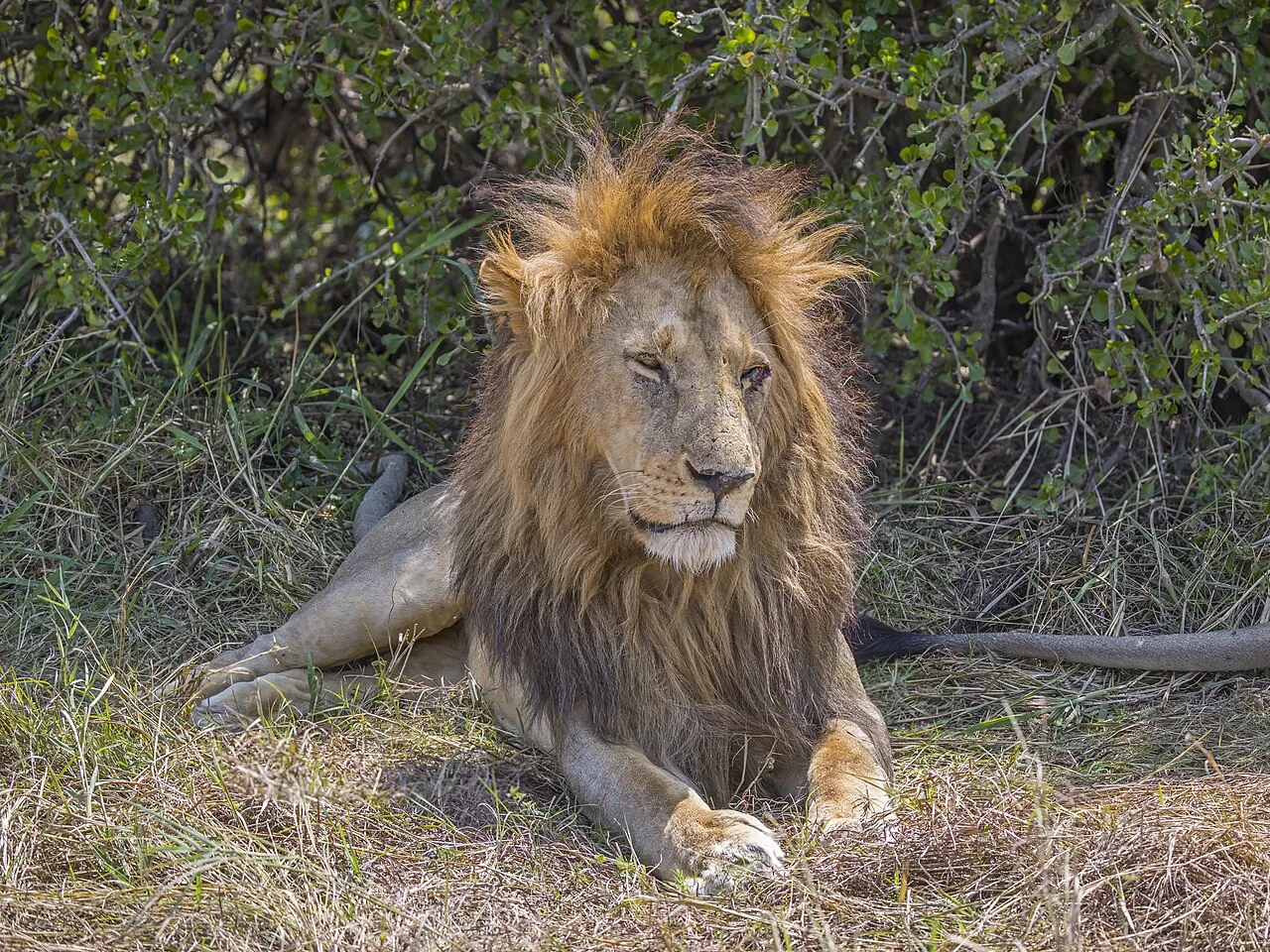
Lion
Panthera leo
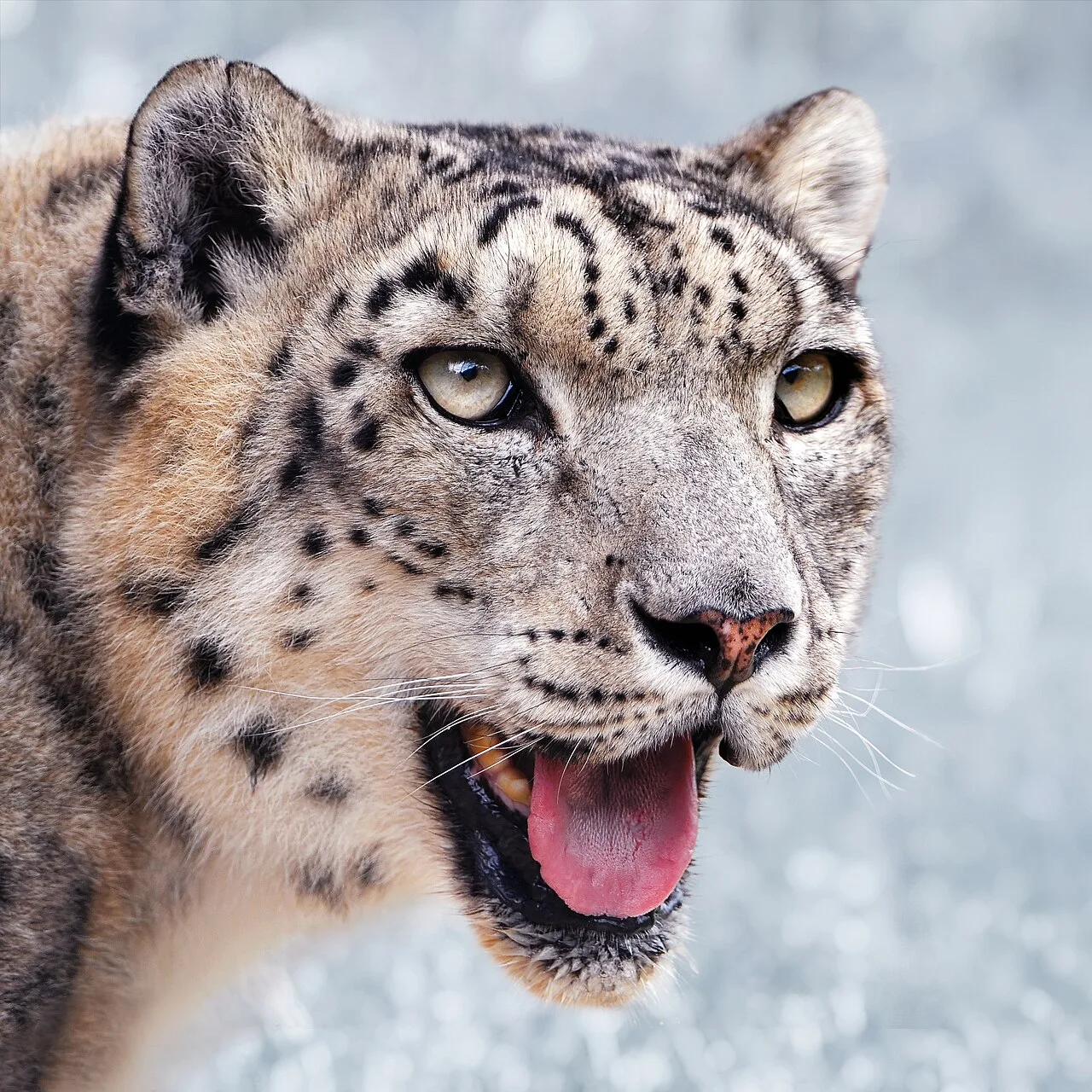
Snow Leopard
Panthera uncia
How to compare two organisms
Choose two species and trace their closest shared group. Then compare a trait with the same definition on each side. Check the units, life stage and context before interpreting a measurement or range.
Missing data means that the collection lacks a sourced value. Where a characteristic does not apply to a lineage, the comparison labels it separately. Open the two profiles for context and follow their sources before drawing a conclusion.
Biological comparison
Compare like with like. A mean, a range and a reported maximum summarize different things. Check the population and field or study conditions before interpreting differences.
| Characteristic | Lion | Snow Leopard |
|---|---|---|
| Principal classification | ||
| Domain | Eukaryota | Eukaryota |
| Kingdom | Animalia | Animalia |
| Phylum | Chordata | Chordata |
| Class | Mammalia | Mammalia |
| Order | Carnivora | Carnivora |
| Family | Felidae | Felidae |
| Genus | Panthera | Panthera |
| Species | Panthera leo | Panthera uncia |
| Scientific measurements | ||
| Body mass |
155.5 kg ≈ 342.8 lb
Mean · Literature value used in a comparative paper. The authors separate these mass references from their zoo sample. Source and measurement contextMass of an individual animal.
| Not recorded |
| Tail length |
0.6–1.0 m ≈ 2–3.3 ft
Reported range · Species account gives this as a tail measurement. Sex and population are not specified for the range. Source and measurement contextLength of the tail alone. Animal Diversity Web · Lion ↗ Physical description and lifespan | Not recorded |
| Lifespan |
14 years
Mean · Species account reports a wild mean; survival varies by sex and population. Source and measurement contextAge attained in the recorded setting.
| Not recorded |
| Head and body length |
1.700–2.500 m ≈ 5.577–8.202 ft
Reported range · Male range from the species account. Source and measurement contextHead and body, excluding the tail.
1.400–1.750 m ≈ 4.593–5.741 ft
Reported range · Female range from the species account. Source and measurement contextHead and body, excluding the tail.
| Not recorded |
| Natural history | ||
| Nutrition and energy acquisition |
Nutrition
Carnivorous Source ↗
Lions hunt large prey such as zebras and wildebeest, and also scavenge when opportunities arise. In a cooperative hunt, some lions may approach …Lions hunt large prey such as zebras and wildebeest, and also scavenge when opportunities arise. In a cooperative hunt, some lions may approach prey from different sides. Lions can also take food from carcasses they did not kill, so seeing a pride at a carcass cannot establish which animal made the kill. |
Nutrition
No comparable measurement recorded
Wild mountain ungulates and smaller animals contribute to its carnivorous diet. Available prey varies across its range. Source 1 ↗Source 2 ↗ |
| Habitat |
Lions occupy a range of habitats, including grasslands, savannas and open woodland. Habitat descriptions span open plains and woodland. Use the geographic range …Lions occupy a range of habitats, including grasslands, savannas and open woodland. Habitat descriptions span open plains and woodland. Use the geographic range alongside this description, since many landscapes with suitable vegetation no longer hold wild lions. |
Rocky slopes, ridges and broken mountain terrain provide resting sites and routes for approaching prey. Broken slopes, cliffs and rocky outcrops provide cover …Rocky slopes, ridges and broken mountain terrain provide resting sites and routes for approaching prey. Broken slopes, cliffs and rocky outcrops provide cover as a snow leopard crosses exposed mountains. Elevation by itself gives only part of the habitat picture. The cat can occur much lower in parts of Russia than in the Himalaya, and can use more gently rolling terrain where cover is available. |
| Geographic distribution |
Wild lions persist in separated areas of Africa. The Gir region of western India supports the remaining wild Asiatic population. Present occurrence is …Wild lions persist in separated areas of Africa. The Gir region of western India supports the remaining wild Asiatic population. Present occurrence is a small part of the lion’s historical range, so a habitat description is not a map of where lions still live. |
The Mammal Diversity Database v2.5 records this species in Afghanistan, Bhutan, China, India, Kazakhstan, Kyrgyzstan, Mongolia, Nepal, Pakistan, Russia, Tajikistan, Uzbekistan. Source 1 ↗Source 2 ↗ |
| Morphology |
Adult male lions often grow a mane around the head and neck. Both sexes have a dark tuft at the tip of the …Adult male lions often grow a mane around the head and neck. Both sexes have a dark tuft at the tip of the tail. Mane size and color can vary among adult males. Age, genetics and hormones all influence its development, so the mane alone gives an uncertain estimate of age. |
A pale patterned coat and very long tail contribute to its mountain-adapted appearance. Source 1 ↗Source 2 ↗ |
| Reproduction and life cycle |
Cubs initially depend on their mother for milk and protection. Lionesses in a pride can rear young communally, and cubs may nurse from …Cubs initially depend on their mother for milk and protection. Lionesses in a pride can rear young communally, and cubs may nurse from more than one female. Compare that early shared care with the separate ecological question of how adults find and capture food. |
No separate account recorded |
| Ecological role |
No separate account recorded |
No separate account recorded |
| Behavior and activity |
Social organization
Social; lives in prides Source ↗
Members of a pride cooperate in defending territory and sometimes in hunting. A pride is a social unit whose members can split into …Members of a pride cooperate in defending territory and sometimes in hunting. A pride is a social unit whose members can split into smaller parties and reunite. Shared membership does not mean every lion is present at every hunt. Scent marks and roars help advertise occupancy and maintain contact across a territory. |
Social organization
No comparable measurement recorded
Snow leopards often use quiet hours around dawn and dusk, but activity is flexible. Rugged cover supports stalking and concealed resting places. Source 1 ↗Source 2 ↗ |
| Environmental adaptations |
No separate account recorded |
No separate account recorded |
| Conservation |
No separate account recorded |
No separate account recorded |
Sources from both profiles
More comparisons
Framed for display

 Framed for display

 Framed for display

Classification
Shared ancestry
Closest shared taxon · Panthera.