 Living Beings

Species · Panthera
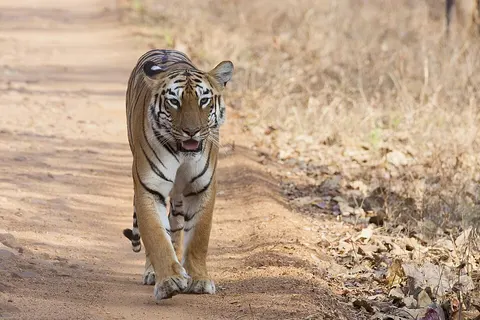
Tiger
Panthera tigris
Tigers are large, striped cats native to Asia. Adults generally live and hunt alone.
 1 / 4
Wikimedia Commons photograph; resized for display. AI-generated illustration. Charles J. Sharp · CC BY-SA 4.0
Field guide · species
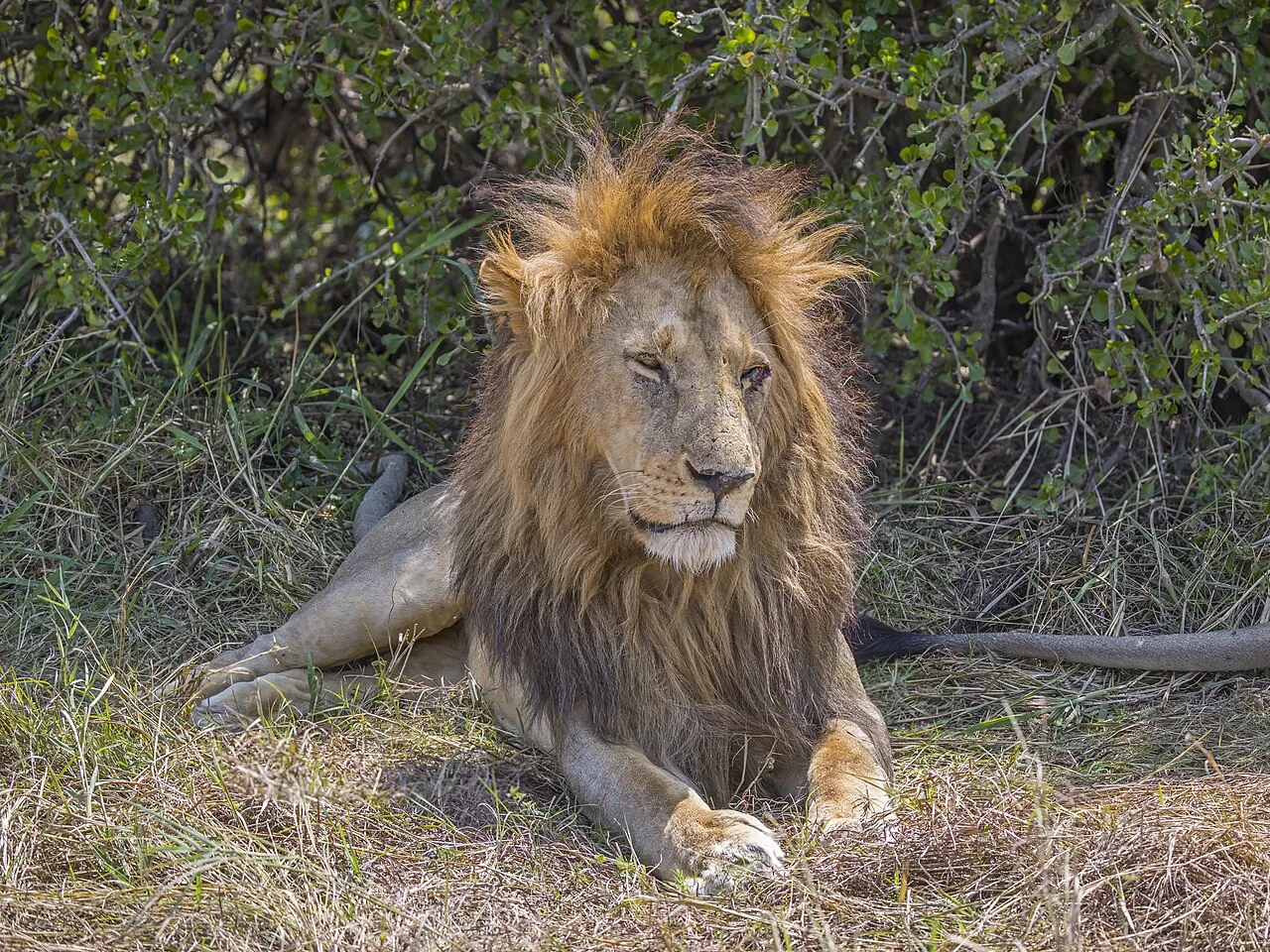
Panthera leo
Lions are social cats that live in groups called prides. A pride usually includes related females, their young, and one or more males.
Complete source lineage, including intermediate ranks. The standard view uses Life and the eight principal ranks.
Adult male lions often grow a mane around the head and neck. Both sexes have a dark tuft at the tip of the tail.
Lions occupy a range of habitats, including grasslands, savannas and open woodland.
Lions hunt large prey such as zebras and wildebeest, and also scavenge when opportunities arise.
Members of a pride cooperate in defending territory and sometimes in hunting.
Shared classification
Panthera tigris
Tigers are large, striped cats native to Asia. Adults generally live and hunt alone.
Evidence
Connected life
No reviewed ecological connections in the collection yet.
Explore network ↗