 Living Beings
Compare species
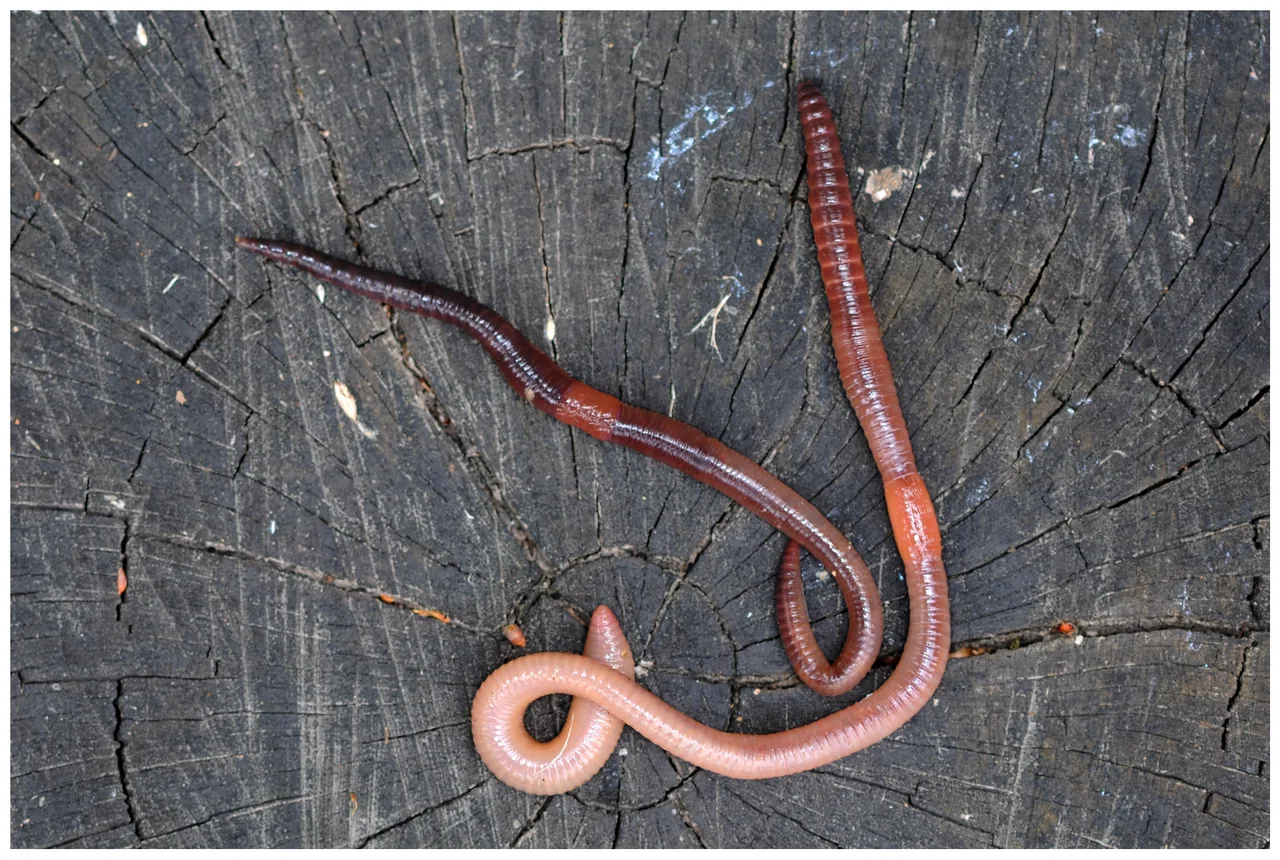
Common Earthworm
Lumbricus terrestris
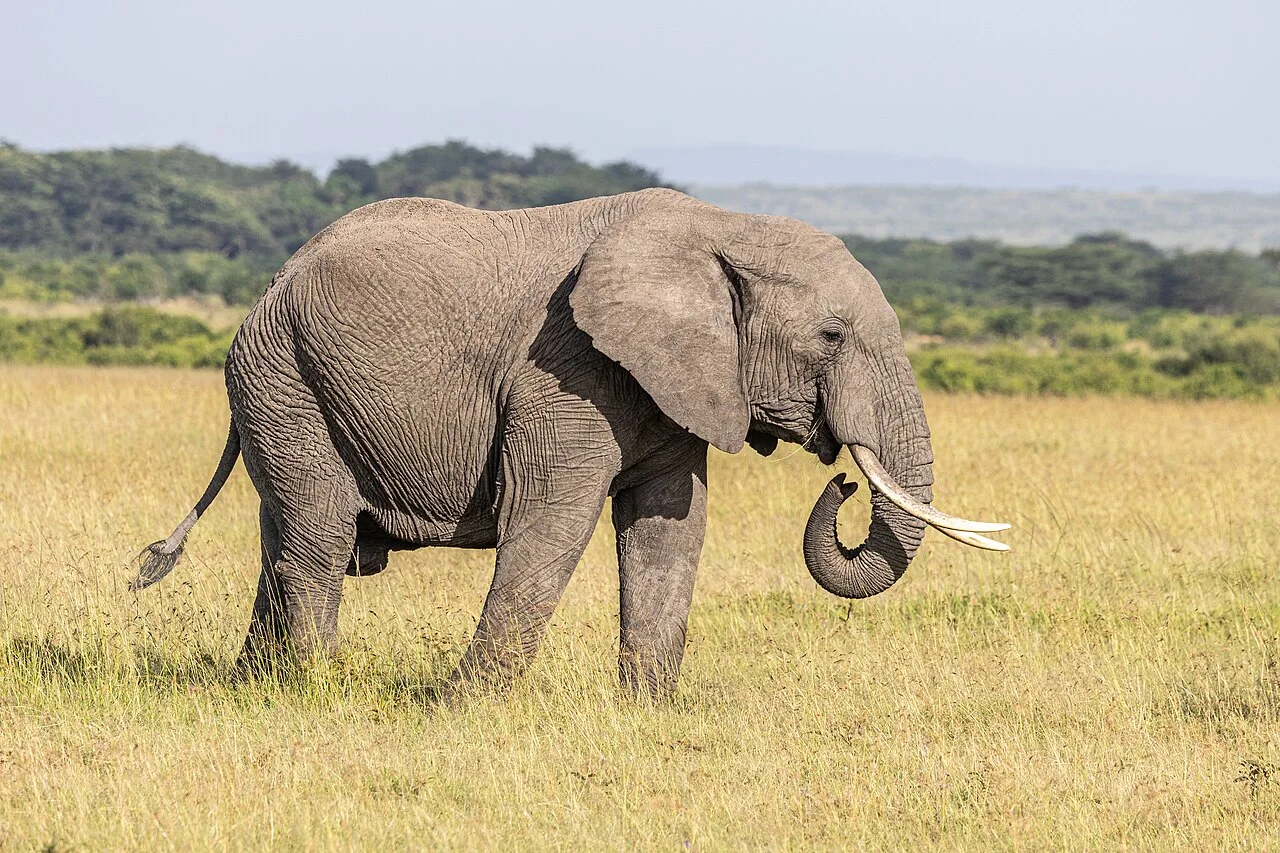
African Savanna Elephant
Loxodonta africana
Evidence from the profiles
Compare their characteristics
| Trait | Common Earthworm | African Savanna Elephant |
|---|---|---|
| Physical traits | A segmented, elongated body carries small bristles used in movement. Mature worms have a distinct clitellum associated with reproduction. | Broad ears, a long trunk and column-like legs give the animal its familiar outline. The trunk tip has two finger-like projections. Both sexes can develop tusks. |
| Habitat and range | Moist soils with access to surface organic material support its burrowing and feeding habits. | Savannas and open woodland provide a shifting mixture of browse, grass, shade and drinking water. Seasonal water availability influences the places that herds use. |
| Diet and nutrition | Surface leaf litter is an important resource. Laboratory observations of seedling damage do not make living plants its normal replacement for litter. | Grasses, leaves, bark and other plant material make up its diet. The trunk gathers food and moves it to the mouth. |
| Behavior and activity | Worms commonly forage near their burrow entrance and withdraw into the soil when disturbed. | Female relatives and their young form long-lasting social groups. Older females hold knowledge of familiar routes and resources; adult males have a different pattern of association. |
| Reproduction and life cycle | Individuals are hermaphrodites that exchange sperm. Fertilized eggs develop in cocoons produced through the clitellum. | Calves are born alive and depend on milk and extended social care. Learning from other elephants is an important part of growing up. |
| Geographic distribution | Native to parts of Europe, the species has been transported elsewhere. Introduced earthworms can alter ecosystems that developed without them. | Native to sub-Saharan Africa. This account follows the savanna-elephant species concept rather than treating all African elephants as one species. |
| Ecological role | Burrowing and litter incorporation modify soil structure and nutrient cycling; these effects depend on the receiving ecosystem. | Feeding and movement alter vegetation, and dung transfers seeds and nutrients. Habitat fragmentation and killing for ivory threaten populations. |
| Distinctive adaptations | Muscular segments and bristles provide traction, while moist skin enables gas exchange. | Data unavailable |
| Conservation | The ecological effects of an introduced population differ from conservation concerns in its native range. This account assigns no formal threat category. | Data unavailable |
Classification
Shared ancestry
Closest shared taxon: Bilateria.
Sources from both profiles
Common Earthworm
- Lumbricus terrestris · NCBI Taxonomy ↗
- Experimental evaluation of herbivory on live plant seedlings by the earthworm Lumbricus terrestris L. in the presence and absence of soil surface litter ↗
- Lumbricus terrestris — University of California, Davis, SAREP ↗
- Lumbricus terrestris — IUCN Global Invasive Species Database ↗