 Living Beings
 Framed for display
Compare species
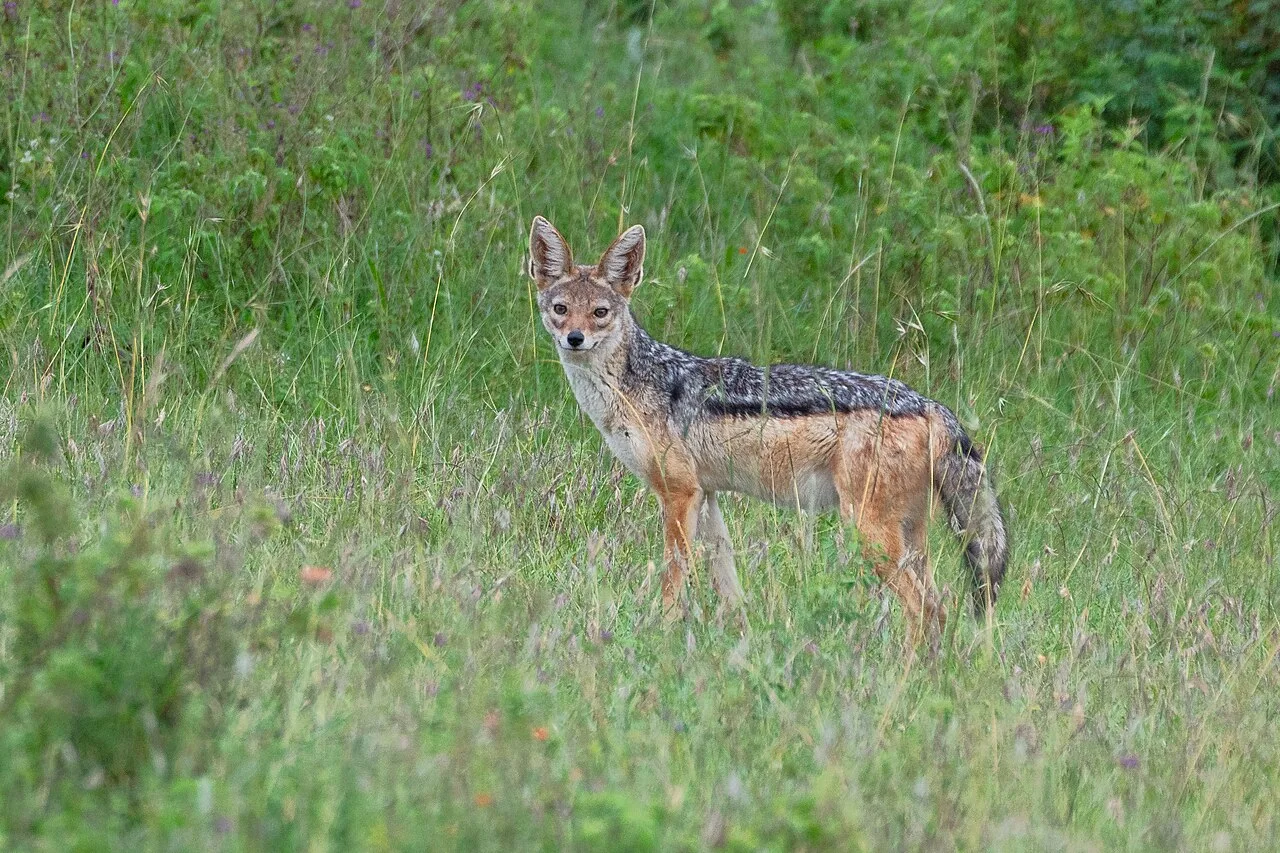
Black-backed Jackal
Lupulella mesomelas
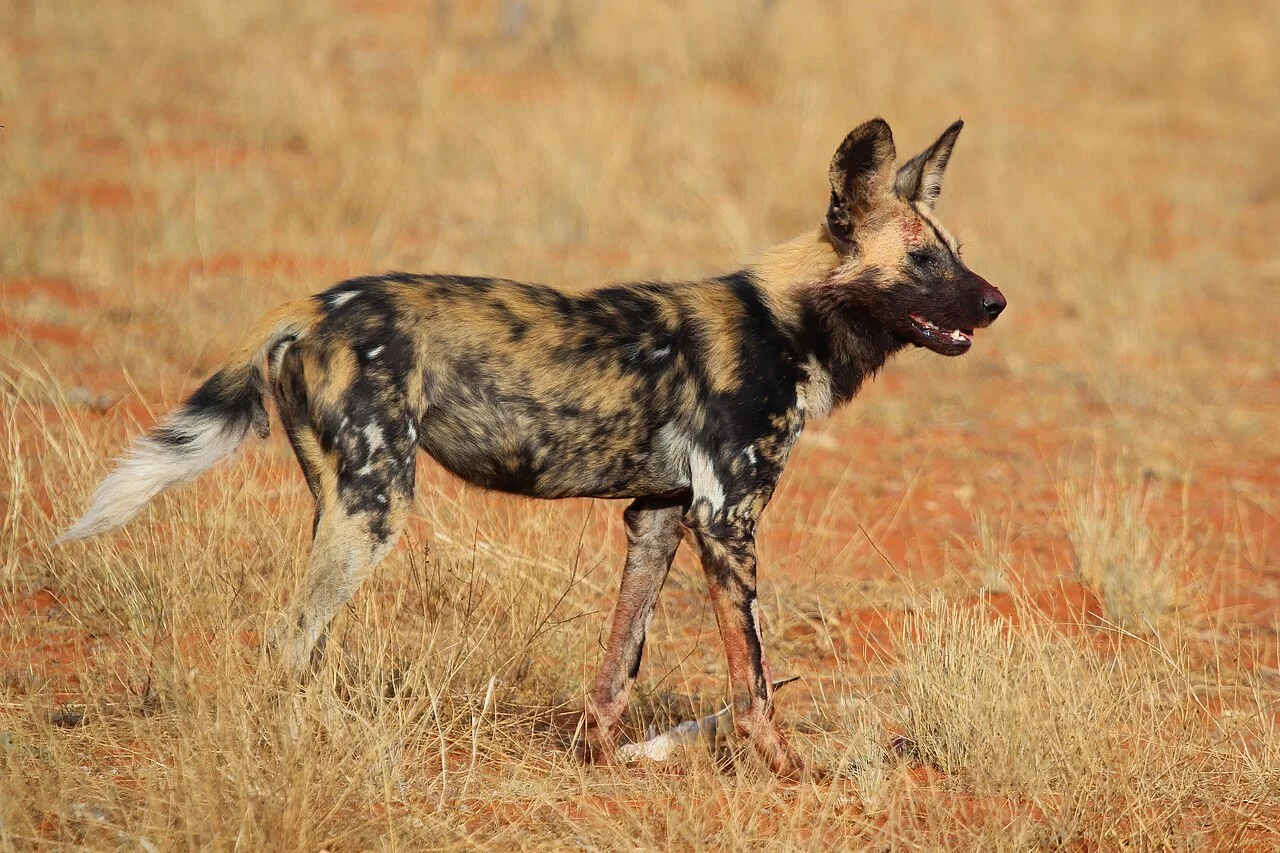
African Wild Dog
Lycaon pictus
Try a comparison
How to compare two organisms
Choose two species and trace their closest shared group. Then compare a trait with the same definition on each side. Check the units, life stage and context before interpreting a measurement or range.
Missing data means that the collection lacks a sourced value. Where a characteristic does not apply to a lineage, the comparison labels it separately. Open the two profiles for context and follow their sources before drawing a conclusion.
Biological comparison
Means, ranges and reported maxima describe different things. Check the source and population before comparing values.
Classification
Shared ancestry
Closest shared taxon · Canidae.
Separate lineages
Black-backed JackalgenusLupulellaspeciesLupulella mesomelas
African Wild DoggenusLycaonspeciesLycaon pictus
| Characteristic | Black-backed Jackal | African Wild Dog |
|---|---|---|
Scientific measurements | Scientific measurements | |
| No structured measurements are recorded for either organism. | ||
Natural history | Natural history | |
| Nutrition and energy acquisition |
Small vertebrates, carrion, invertebrates and other available foods are eaten. A South African scat study found different foods on livestock …Small vertebrates, carrion, invertebrates and other available foods are eaten. A South African scat study found different foods on livestock farms, game farms and a reserve. Sheep were prominent on livestock farms, whereas kudu appeared frequently on game farms. Finding either animal's remains shows consumption. Whether the jackal killed the animal or scavenged it requires additional evidence. |
Ungulates are important prey, with hunting organized through cooperation among pack members. Source 1 ↗Source 2 ↗ |
| Habitat |
Dry and more varied open landscapes can be used, including areas influenced by people. Source 1 ↗Source 2 ↗ |
Savannas and other suitable landscapes must provide prey, den sites and room for pack movements. Source 1 ↗Source 2 ↗ |
| Geographic distribution |
The Mammal Diversity Database v2.5 records this species in Angola, Botswana, Djibouti, Eritrea, Eswatini, Ethiopia, Kenya, Lesotho, Mozambique, Namibia, Somalia, …The Mammal Diversity Database v2.5 records this species in Angola, Botswana, Djibouti, Eritrea, Eswatini, Ethiopia, Kenya, Lesotho, Mozambique, Namibia, Somalia, South Africa, South Sudan, Sudan, Tanzania, Uganda, Zimbabwe. |
The Mammal Diversity Database v2.5 records this species in Angola, Benin, Botswana, Burkina Faso, Central African Republic, Chad, Ethiopia, Kenya, …The Mammal Diversity Database v2.5 records this species in Angola, Benin, Botswana, Burkina Faso, Central African Republic, Chad, Ethiopia, Kenya, Malawi, Mozambique, Namibia, Niger, Senegal, South Africa, South Sudan, Sudan, Tanzania, Zambia, Zimbabwe, Algeria?, Cote d'Ivoire?, Democratic Republic of the Congo?, Guinea?, Guinea-Bissau?, Mali?, Nigeria?, Togo?, Uganda?. |
| Morphology |
A dark grizzled back contrasts with reddish sides and a paler underside. Source 1 ↗Source 2 ↗ |
Large rounded ears and irregular dark, pale and tawny patches distinguish individuals. Source 1 ↗Source 2 ↗ |
| Behavior and activity |
Foraging can occur alone or cooperatively. Daily timing varies, including shifts toward nighttime near human activity. Source 1 ↗Source 2 ↗ |
Social packs share roles in hunting and rearing pups. A denning pack has different movement constraints from one traveling without …Social packs share roles in hunting and rearing pups. A denning pack has different movement constraints from one traveling without dependent young. Before leaving a resting site, African wild dogs sometimes gather in a social rally. In a study of packs in Botswana, rallies with more audible nasal exhalations, described as sneezes, were more likely to lead to departure. The number associated with departure also depended on whether a dominant animal initiated the rally. The observations suggest a group decision process in which signals from several animals can matter. |
Sources from both profiles
Black-backed Jackal
More comparisons
Framed for display

 Framed for display

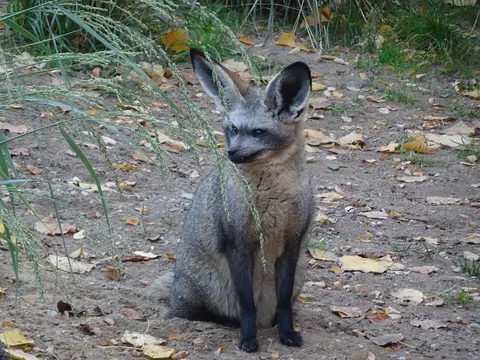 Framed for display
