 Living Beings
 Framed for display
Compare species
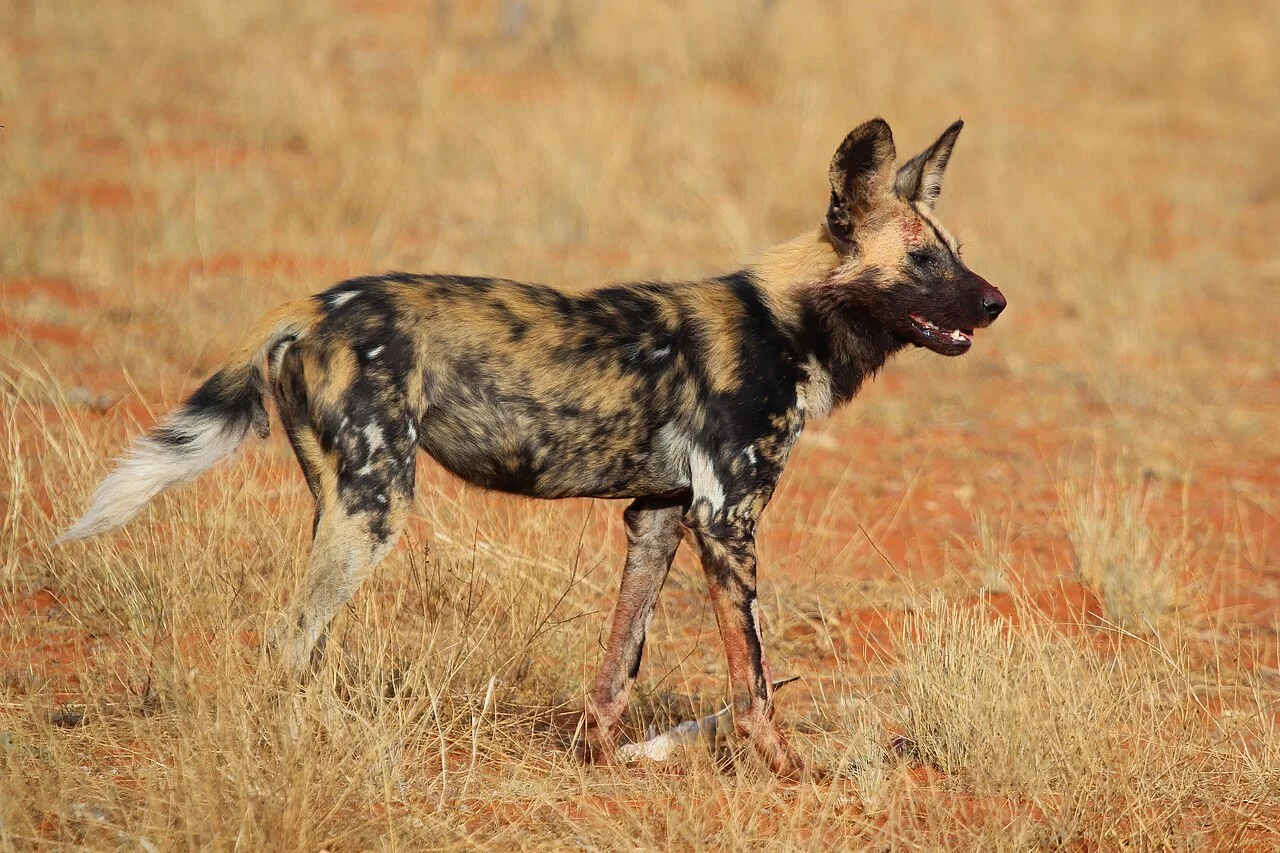
African Wild Dog
Lycaon pictus
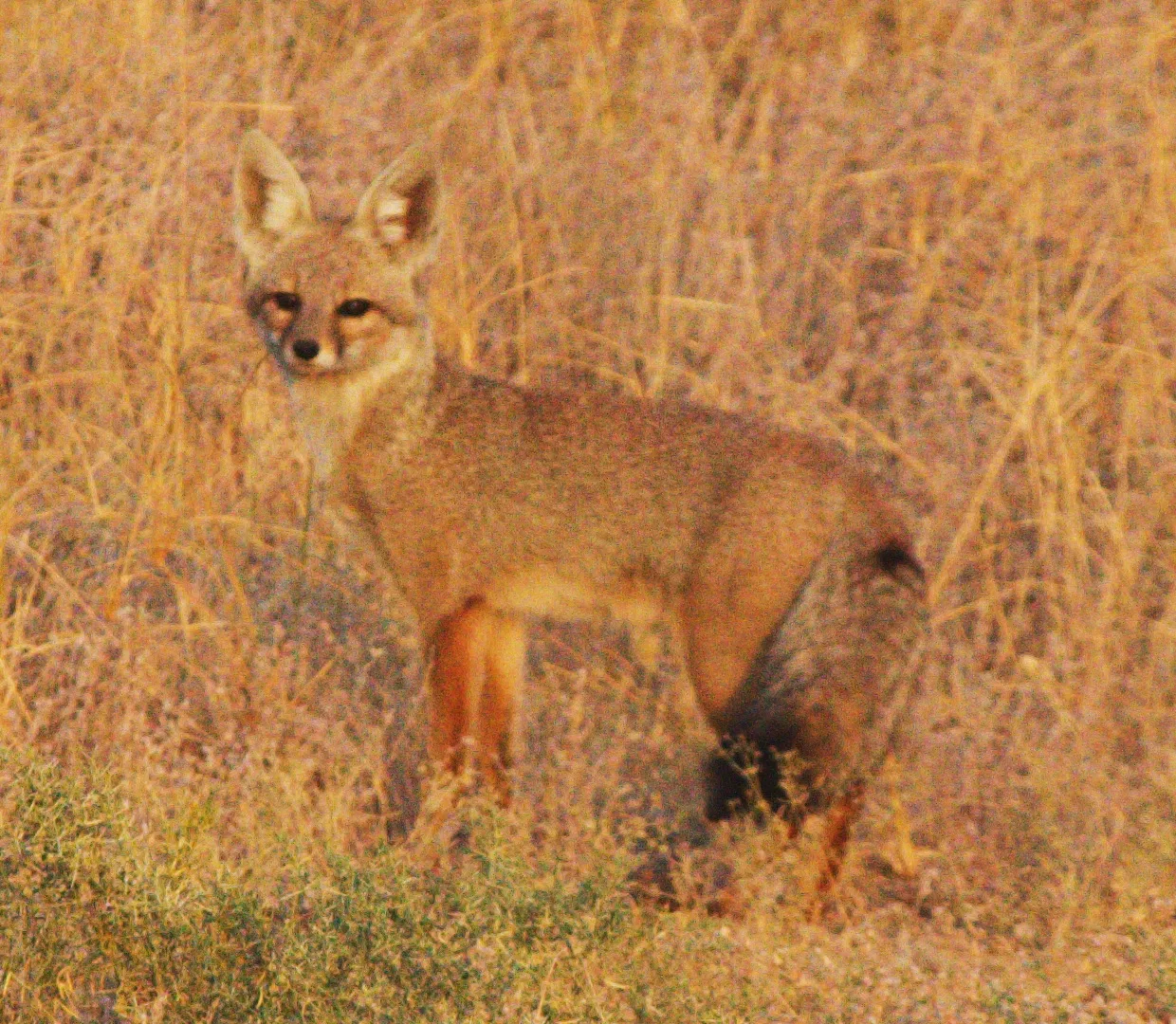
Bengal Fox
Vulpes bengalensis
Try a comparison
How to compare two organisms
Choose two species and trace their closest shared group. Then compare a trait with the same definition on each side. Check the units, life stage and context before interpreting a measurement or range.
Missing data means that the collection lacks a sourced value. Where a characteristic does not apply to a lineage, the comparison labels it separately. Open the two profiles for context and follow their sources before drawing a conclusion.
Biological comparison
Means, ranges and reported maxima describe different things. Check the source and population before comparing values.
Classification
Shared ancestry
Closest shared taxon · Canidae.
Separate lineages
African Wild DoggenusLycaonspeciesLycaon pictus
Bengal FoxgenusVulpesspeciesVulpes bengalensis
| Characteristic | African Wild Dog | Bengal Fox |
|---|---|---|
Scientific measurements | Scientific measurements | |
| No structured measurements are recorded for either organism. | ||
Natural history | Natural history | |
| Nutrition and energy acquisition |
Ungulates are important prey, with hunting organized through cooperation among pack members. Source 1 ↗Source 2 ↗ |
Insects, small vertebrates, eggs and fruits are eaten according to local availability. Source 1 ↗Source 2 ↗ |
| Habitat |
Savannas and other suitable landscapes must provide prey, den sites and room for pack movements. Source 1 ↗Source 2 ↗ |
Grasslands, scrub and some agricultural mosaics can provide suitable habitat. Researchers in southern India compared ways of detecting the Indian …Grasslands, scrub and some agricultural mosaics can provide suitable habitat. Researchers in southern India compared ways of detecting the Indian fox and examined its use of open habitats. Signs such as scats can be useful, but other small carnivores use the same landscape. Combining independent observations helps a survey separate the fox's actual habitat use from where a particular method most easily detects it. |
| Geographic distribution |
The Mammal Diversity Database v2.5 records this species in Angola, Benin, Botswana, Burkina Faso, Central African Republic, Chad, Ethiopia, Kenya, …The Mammal Diversity Database v2.5 records this species in Angola, Benin, Botswana, Burkina Faso, Central African Republic, Chad, Ethiopia, Kenya, Malawi, Mozambique, Namibia, Niger, Senegal, South Africa, South Sudan, Sudan, Tanzania, Zambia, Zimbabwe, Algeria?, Cote d'Ivoire?, Democratic Republic of the Congo?, Guinea?, Guinea-Bissau?, Mali?, Nigeria?, Togo?, Uganda?. |
The Mammal Diversity Database v2.5 records this species in Bangladesh, India, Nepal, Pakistan. Source 1 ↗Source 2 ↗ |
| Morphology |
Large rounded ears and irregular dark, pale and tawny patches distinguish individuals. Source 1 ↗Source 2 ↗ |
A pointed muzzle, large ears and a bushy tail contribute to its outline. Source 1 ↗Source 2 ↗ |
| Behavior and activity |
Social packs share roles in hunting and rearing pups. A denning pack has different movement constraints from one traveling without …Social packs share roles in hunting and rearing pups. A denning pack has different movement constraints from one traveling without dependent young. Before leaving a resting site, African wild dogs sometimes gather in a social rally. In a study of packs in Botswana, rallies with more audible nasal exhalations, described as sneezes, were more likely to lead to departure. The number associated with departure also depended on whether a dominant animal initiated the rally. The observations suggest a group decision process in which signals from several animals can matter. |
Shelter and access to den sites are important. Encounters near people do not imply domestication or an absence of vulnerability to disturbance. Source 1 ↗Source 2 ↗ |
Sources from both profiles
African Wild Dog
More comparisons
Framed for display

 Framed for display

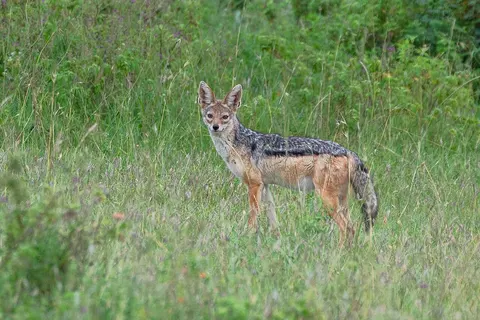 Framed for display
