 Living Beings

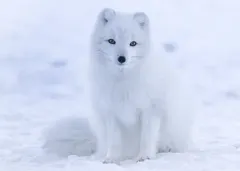 Framed for display
Species · Vulpes
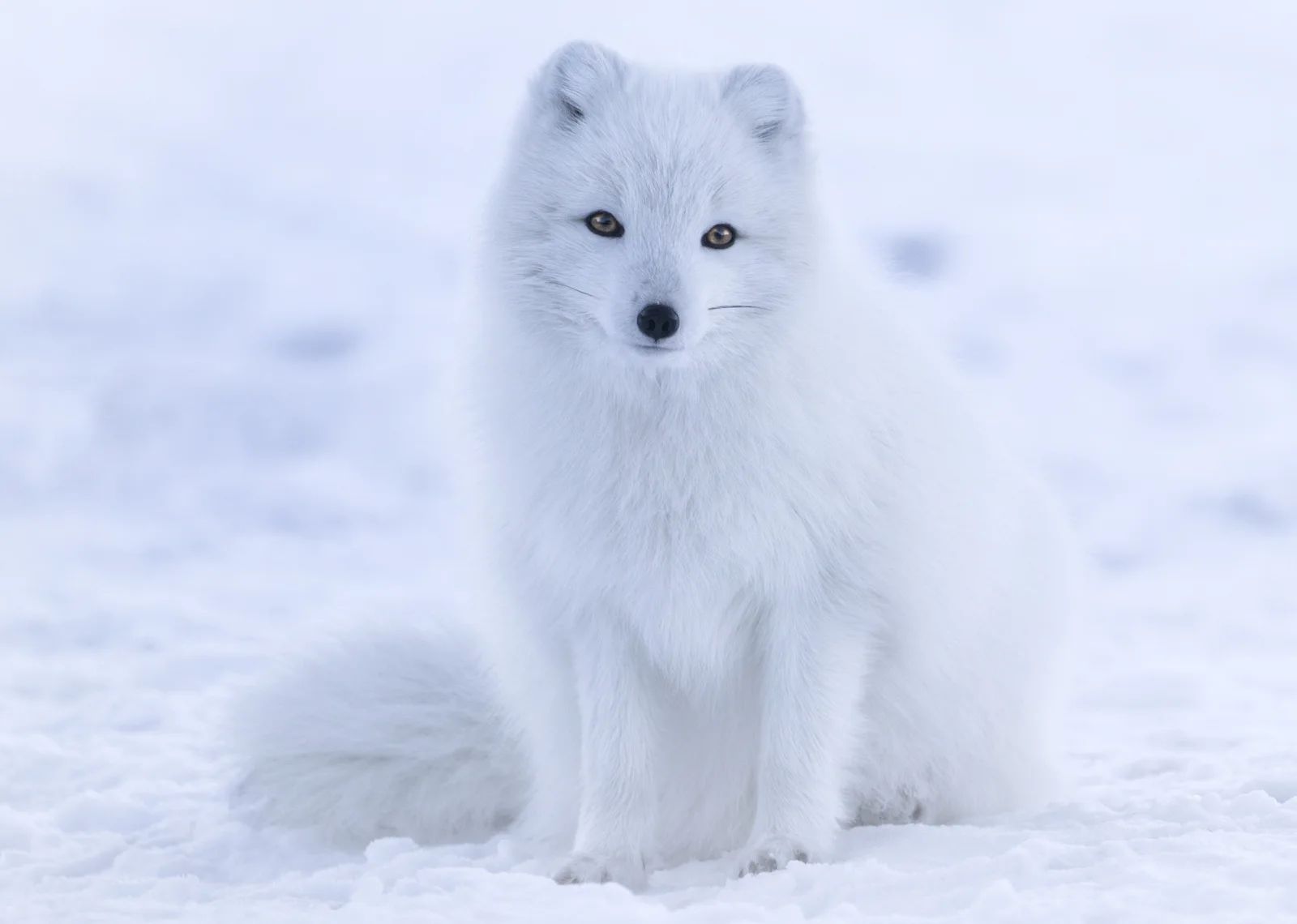
Arctic Fox
Vulpes lagopus
The Arctic fox is a small northern canid adapted to cold, open landscapes. Dense fur, compact ears and fur-covered feet help it …
Genus · Scientific classification
Vulpes is a genus in Canidae. Its members include red foxes, Arctic foxes and fennecs.
 Framed for display
Explore broader group · Canidae ↗
NCBI Taxonomy (2026-11-05 reconciled backbone) · Taxon source ↗
Group guide
Several kinds of canids are called foxes. The red fox and arctic fox belong to Vulpes, while the island fox belongs to Urocyon. The scientific genus records a relationship supported by comparisons across the family. A bushy tail or a common name can point a reader toward a group, but neither establishes its membership.
Source for a genus within a broader family ↗Pale foxes, Rüppell’s foxes and fennecs belong to Vulpes and use dry regions, but their ecology differs. A North African genomic comparison examined how desert-associated foxes share some evolutionary history with their relatives. That kind of evidence complements field studies, which can document what an individual fox eats or where it finds shelter.
Source for different answers to desert life ↗Some animals called foxes fall in other canid genera, such as the bat-eared fox in Otocyon. Vulpes members themselves include Arctic and desert species. A common name can be a useful first clue, while the scientific name identifies the species being described.
Source for fox as a common name ↗Living species · MDD v2.5 · 28 July 2026
12 living species in 1 genera in this dated checklist; 12 have public profiles here.
The main tree follows NCBI. MDD can recognize different species boundaries or spellings; these differences are shown below. A taxonomy record is not a completed natural-history article.
Checklist attribution: Mammal Diversity Database (2026), version 2.5. American Society of Mammalogists. Only living species are included; subspecies and extinct species are outside this checklist.
Within this taxon
Framed for display
Vulpes lagopus
The Arctic fox is a small northern canid adapted to cold, open landscapes. Dense fur, compact ears and fur-covered feet help it …
 Framed for display
Vulpes bengalensis
The Bengal fox is a South Asian fox of relatively open landscapes. It combines small-animal hunting with the use of seasonal plant …
 Framed for display
Vulpes cana
Blanford’s fox is a small canid associated with steep, dry terrain. Its feeding ecology includes substantial insect and fruit use, contrasting with …
 Framed for display
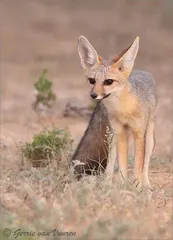
Vulpes chama
The Cape fox is a small southern African canid associated with open, dry country. It is a true fox in Vulpes and …
 Framed for display
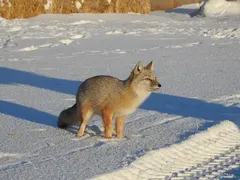
Vulpes corsac
The corsac fox is a canid of Asian steppe and semi-desert. It depends on local shelter and small prey in landscapes that …
 Framed for display
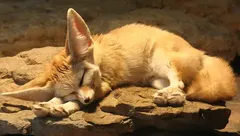
Vulpes zerda
The fennec is a small desert fox with exceptionally large ears. Its lifestyle depends on underground shelter and finding dispersed food rather …
 Framed for display
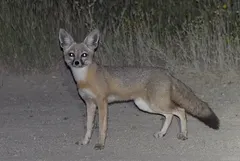
Vulpes macrotis
The kit fox is a small North American fox associated with arid landscapes. Shelter use is central to its life in hot …
 Framed for display
Vulpes pallida
In a study in southeastern Niger, insects and other arthropods turned up far more often than mammal remains in the pale fox’s …
 Framed for display
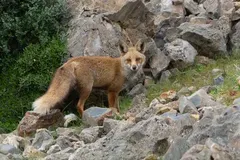
Vulpes vulpes
The red fox is a small canid with a pointed muzzle, large ears and a conspicuous tail. Its flexible feeding habits help …
 Framed for display
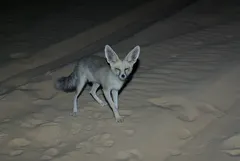
Vulpes rueppellii
Rüppell’s fox is a small canid of dry environments. Its combination of shelter use and flexible food choices illustrates that desert predators …
 Framed for display
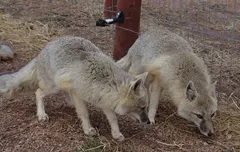
Vulpes velox
The swift fox is a small canid of North American open country. It uses dens not only for raising young but also …
 Framed for display
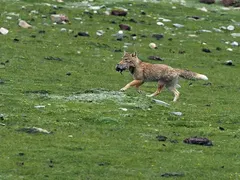
Vulpes ferrilata
The Tibetan fox is a highland canid associated with the Tibetan Plateau and nearby landscapes. Its ecology is tied to small mammals …