 Living Beings
Compare species
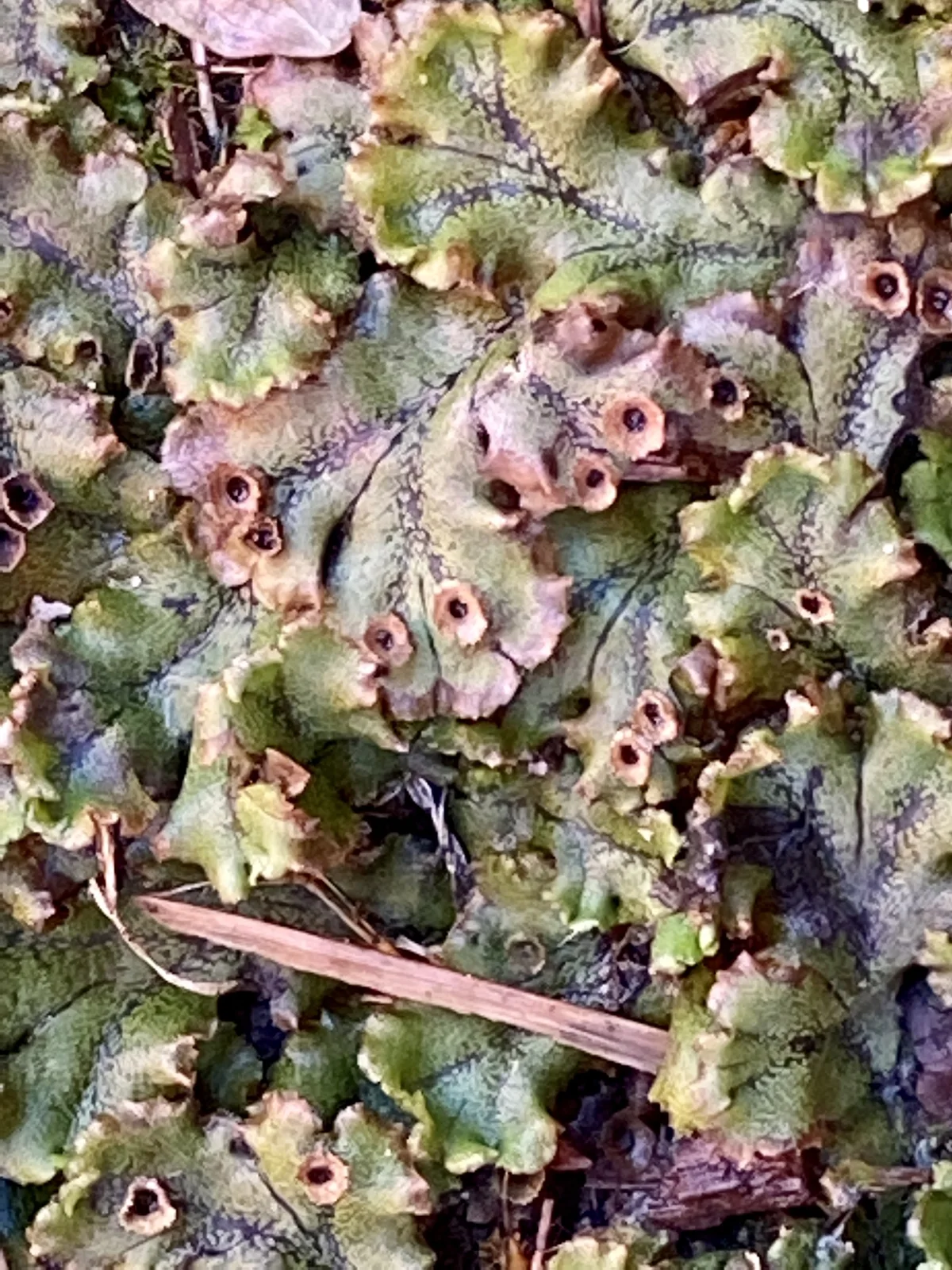
Common Liverwort
Marchantia polymorpha
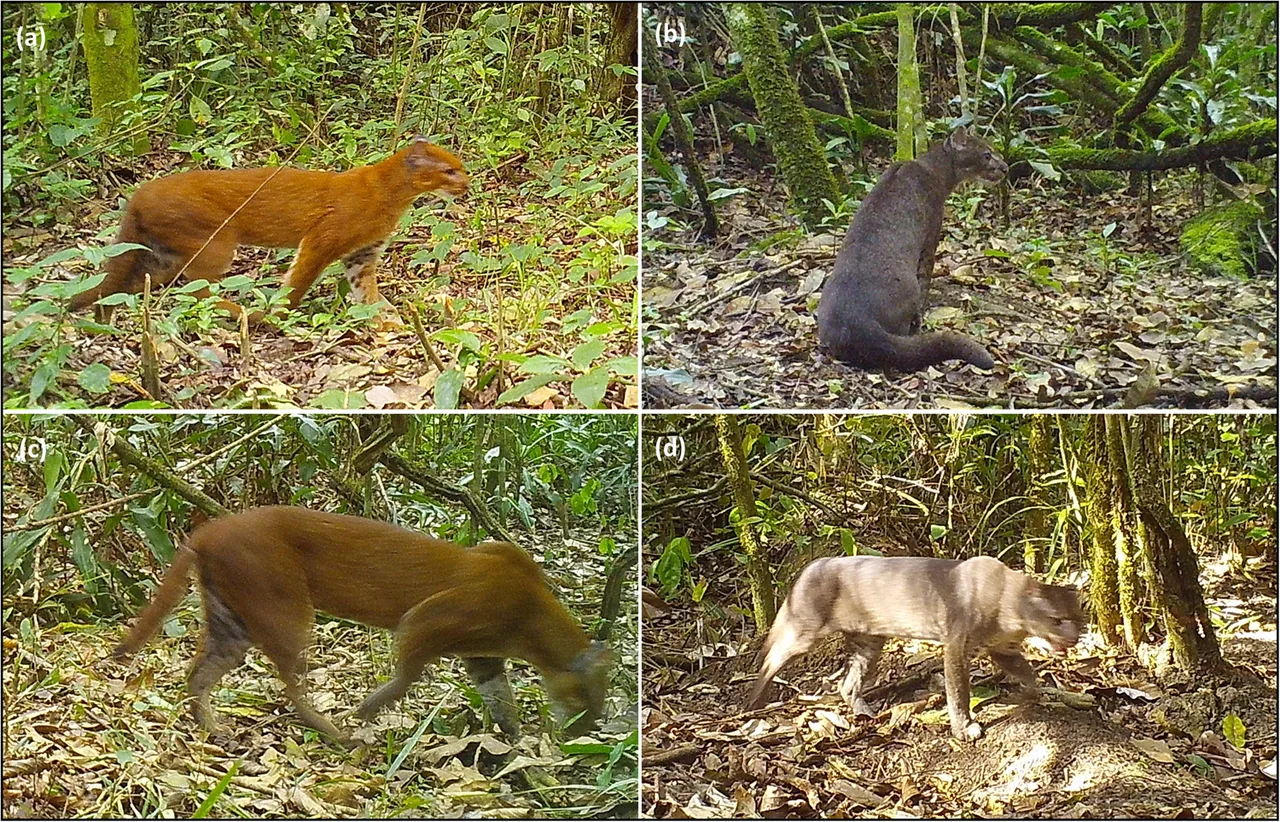
African Golden Cat
Caracal auratus
How to compare two organisms
Choose two species and trace their closest shared group. Then compare a trait with the same definition on each side. Check the units, life stage and context before interpreting a measurement or range.
Missing data means that the collection lacks a sourced value. Where a characteristic does not apply to a lineage, the comparison labels it separately. Open the two profiles for context and follow their sources before drawing a conclusion.
Evidence from the profiles
Compare their characteristics
| Trait | Common Liverwort | African Golden Cat |
|---|---|---|
| Physical traits | The thallus branches across the substrate. Gemma cups and stalked reproductive structures help distinguish it from many other small green plants. | The body is robust and the coat varies between reddish and grayish forms. Spotting can be more visible on some parts of the body. |
| Habitat and range | Damp, disturbed or recently exposed ground supports growth, including suitable burned sites and horticultural substrates. | Dense African forest and secondary growth provide cover and hunting habitat. |
| Diet and nutrition | Photosynthetic tissue supplies carbon compounds. Rhizoids anchor the thallus and assist interaction with the moist substrate. | Rodents and other forest mammals are important prey. Birds and additional small animals may also be taken. |
| Behavior and activity | Rain splash disperses gemmae from their cups, allowing new thalli to form nearby. | It is generally solitary and difficult to observe in dense cover. Sparse observations should not be treated as a complete account of its daily behavior. |
| Reproduction and life cycle | Separate gamete-producing structures take part in sexual reproduction. A dependent sporophyte forms spores; gemmae provide an additional asexual route. | Data unavailable |
| Geographic distribution | The species is widely recorded, but subspecies and local habitat differences matter when interpreting records. | The Mammal Diversity Database v2.5 records this species in Angola, Cameroon, Central African Republic, Cote d'Ivoire, Democratic Republic of the Congo, Equatorial Guinea, Gabon, Ghana, Guinea, Liberia, Nigeria, Republic of the Congo, Sierra Leone, Uganda, Benin?, Burundi?, Gambia?, Guinea-Bissau?, Kenya?, Rwanda?, Senegal?, Sudan?, Togo?. |
| Ecological role | Early colonization of exposed surfaces helps shape small-scale plant succession. | Data unavailable |
| Distinctive adaptations | A spreading thallus and two reproductive routes allow rapid occupation of suitable damp patches. | Data unavailable |
| Conservation | Local occurrence depends strongly on substrate and moisture. This profile does not infer a global category from its frequent appearance in disturbed ground. | Data unavailable |
Classification
Shared ancestry
Closest shared taxon: Eukaryota.