 Living Beings
 Framed for display
Compare species
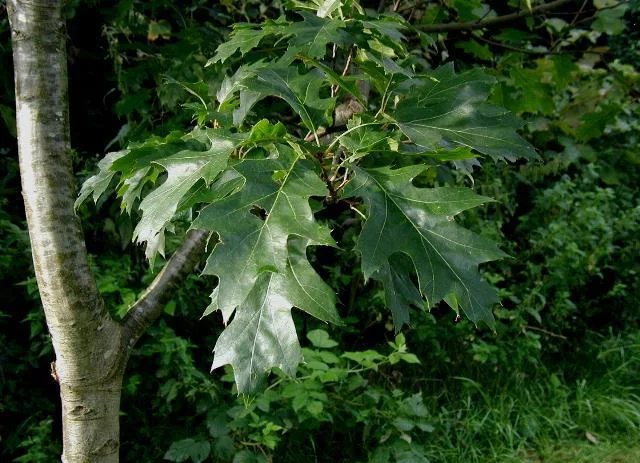
Northern red oak
Quercus rubra
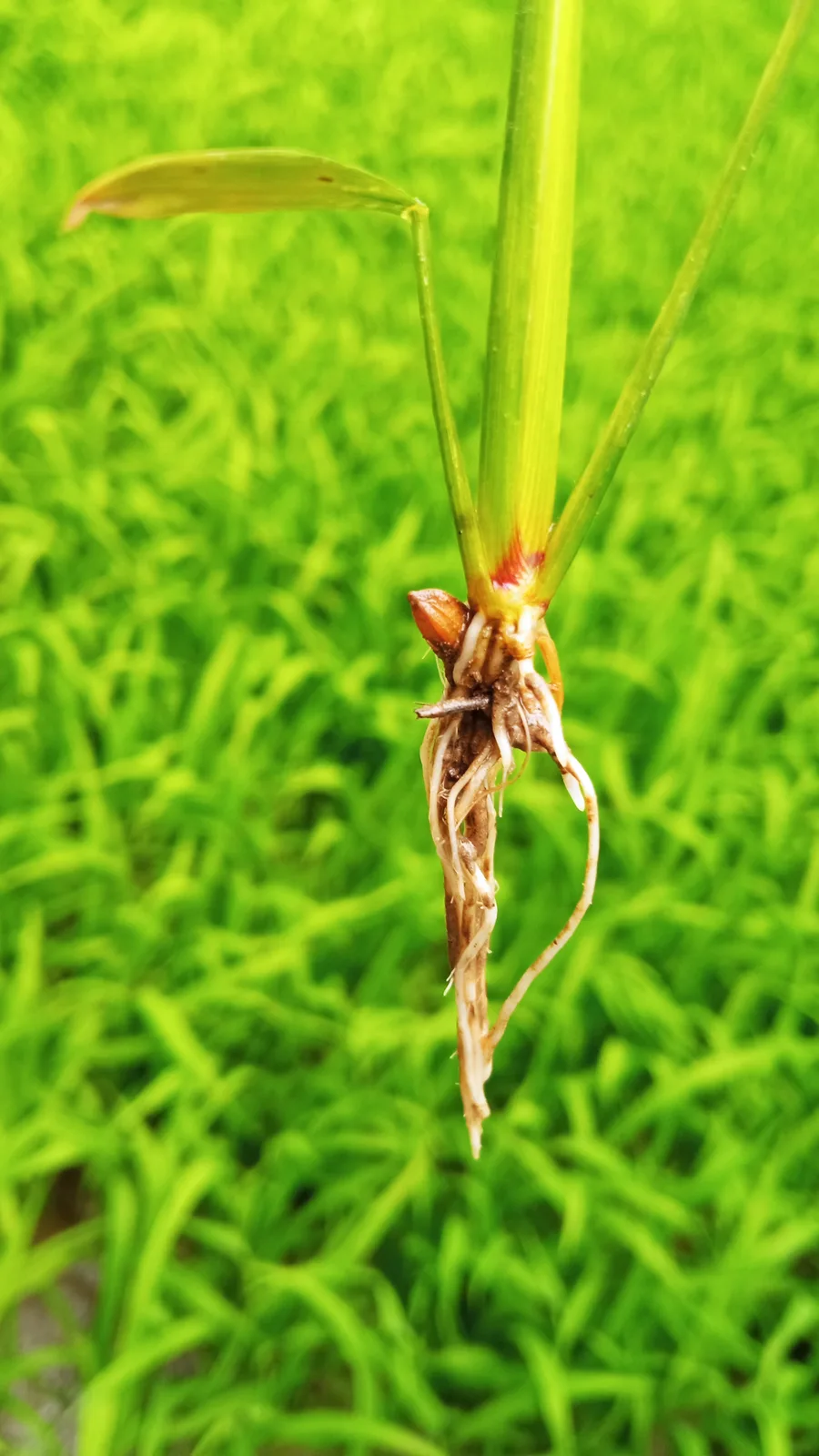
Asian Rice
Oryza sativa
How to compare two organisms
Choose two species and trace their closest shared group. Then compare a trait with the same definition on each side. Check the units, life stage and context before interpreting a measurement or range.
Missing data means that the collection lacks a sourced value. Where a characteristic does not apply to a lineage, the comparison labels it separately. Open the two profiles for context and follow their sources before drawing a conclusion.
Classification
Shared ancestry
Closest shared evolutionary group · Mesangiospermae.
Separate lineages
Biological comparison
Compare like with like. A mean, a range and a reported maximum summarize different things. Check the population and field or study conditions before interpreting differences.
| Characteristic | Northern red oak | Asian Rice |
|---|---|---|
| Scientific measurements | ||
| Tree height |
20–30 m
Typical range · Mature Source and measurement contextUsual height in undisturbed stands on good sites. · ≈ 66–98 ft Vertical height of a mature tree in the source conditions.
| Not recorded |
| Trunk diameter at breast height |
61–91 cm
Typical range · Mature Source and measurement contextDiameter at breast height in undisturbed stands on good sites. · ≈ 24–36 in Diameter at the conventional breast-height sampling point.
| Not recorded |
| Natural history | ||
| Nutrition and energy acquisition |
Nutrition
Photosynthetic Source ↗
|
Nutrition
No comparable measurement recorded
Photosynthesis supports vegetative growth and grain filling. The seed endosperm stores carbohydrates used by a germinating seedling. Source 1 ↗ |
| Habitat |
Northern red oak grows on a variety of forest sites and commonly occurs in mixed hardwood stands. In the Forest …Northern red oak grows on a variety of forest sites and commonly occurs in mixed hardwood stands. In the Forest Service account, good growth is associated with deep, well-drained soils. Site conditions vary with slope and aspect. When comparing two stands, soil moisture and depth are more informative than the presence of oak alone. |
Many rice systems use wet or flooded ground, but cultivation methods and water requirements vary among varieties. Source 1 ↗ |
| Geographic distribution |
Native to eastern and central North America. Profile references ↗ |
The species is cultivated throughout many warm regions. Its distribution reflects domestication and agricultural movement rather than a simple wild range. Source 1 ↗ |
| Morphology |
The leaves have pointed lobes tipped with bristles. The acorns sit in shallow cups. The bristle tips are small extensions …The leaves have pointed lobes tipped with bristles. The acorns sit in shallow cups. The bristle tips are small extensions at the ends of the lobes. Combine them with the shape of the acorn and its shallow cup when distinguishing northern red oak from other oaks. An isolated leaf is less informative than multiple characters from the same tree. |
Narrow leaves arise from tillers. Small flowers develop in a branched panicle, followed by grains enclosed by husks. Source 1 ↗ |
| Reproduction and life cycle |
Its acorns develop over two growing seasons. An acorn that ripens in autumn began development in the previous growing season. …Its acorns develop over two growing seasons. An acorn that ripens in autumn began development in the previous growing season. Acorns can germinate after winter, with a developing taproot helping the seedling establish below ground. Finding a seed crop does not guarantee establishment because many acorns are eaten or encounter unfavorable seedbed conditions. |
Plants grow from seed, flower and produce a new grain crop. The normal cultivated cycle is annual. Source 1 ↗ |
| Ecological role |
Acorns provide food for wildlife. The population of small seedlings already present in the understory also matters for forest renewal. …Acorns provide food for wildlife. The population of small seedlings already present in the understory also matters for forest renewal. Silvicultural studies distinguish the production of seed from the survival and growth of young trees into canopy openings. |
Rice fields form managed ecosystems with aquatic and terrestrial organisms whose composition depends on farming practice. Source 1 ↗ |
| Behavior and activity |
No separate account recorded |
Tillering increases shoot number, while flowering and grain maturation depend on cultivar and growing conditions. Source 1 ↗ |
| Environmental adaptations |
No separate account recorded |
Cultivated diversity includes contrasting responses to water availability and seasonal timing. Source 1 ↗ |
| Conservation |
No separate account recorded |
Maintaining crop genetic diversity and wild relatives is an important conservation task; Oryza glaberrima is a different cultivated rice species. Source 1 ↗ |
Sources from both profiles
Northern red oak
More comparisons
Framed for display

 Framed for display

 Framed for display
