 Living Beings
Compare species
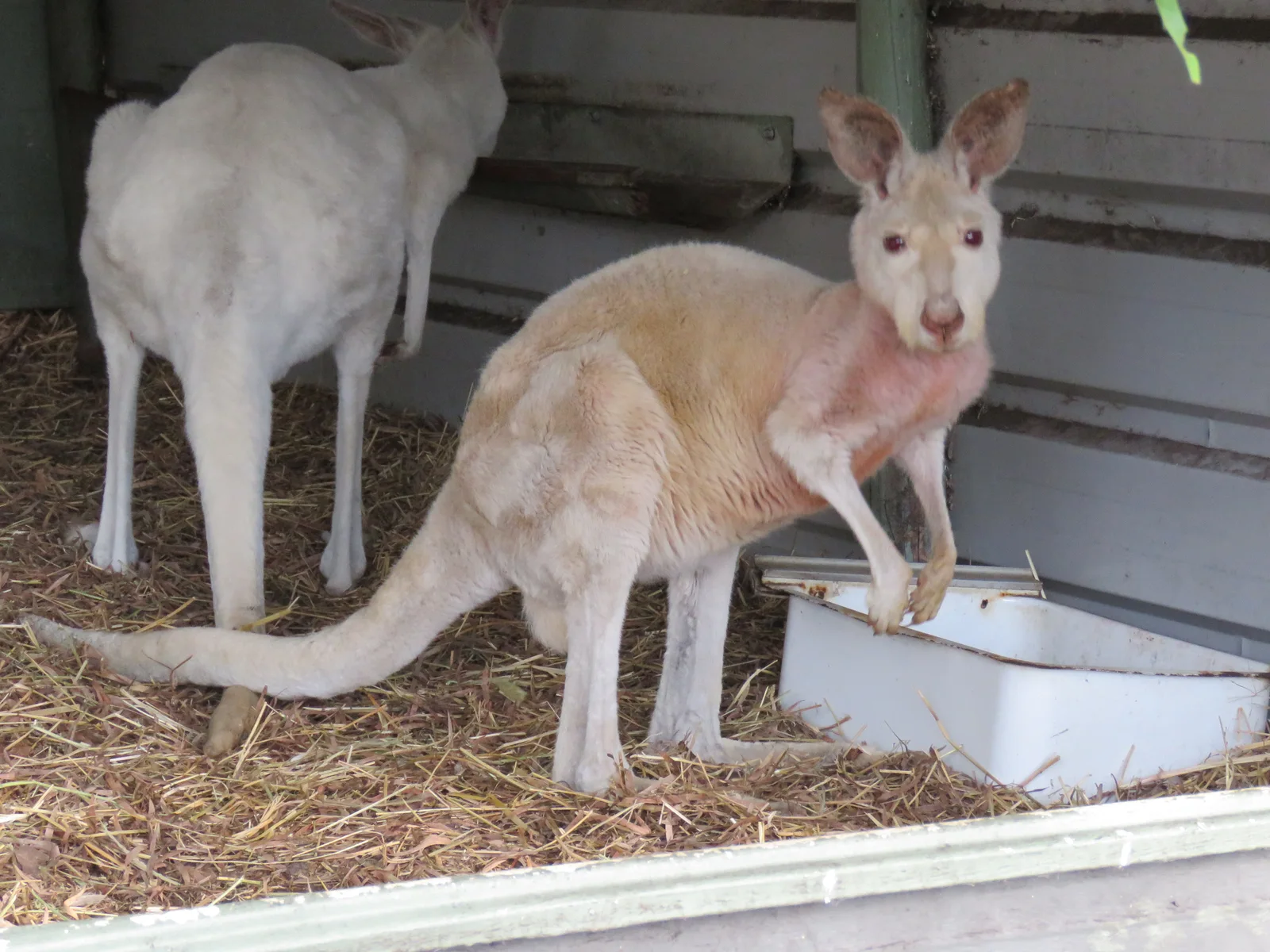
Red Kangaroo
Osphranter rufus
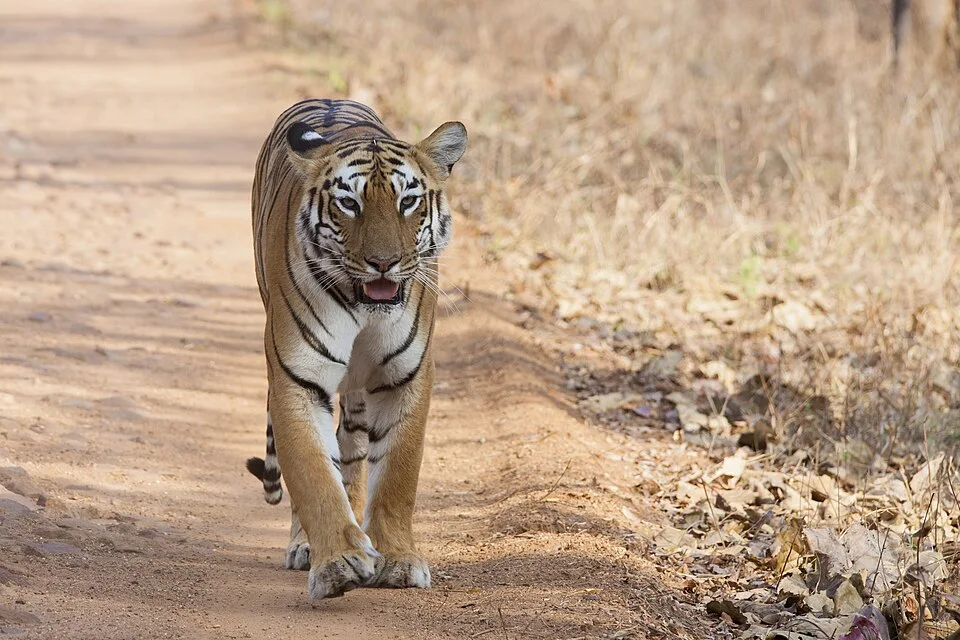
Tiger
Panthera tigris
Evidence from the profiles
Compare their characteristics
| Trait | Red Kangaroo | Tiger |
|---|---|---|
| Nutrition | Data unavailable | Carnivorous Source ↗ |
| Social organization | Data unavailable | Generally solitary Source ↗ |
| Physical traits | Large hindquarters, short forelimbs and a long tail distinguish the body plan. Sexes can differ strongly in size and coat color. | Dark stripes break up the tiger’s outline. Stripe patterns vary from one individual to another. |
| Habitat and range | Open grassland and shrubland provide feeding areas, with shade or cover useful during hot periods. | Tigers live in varied habitats, including tropical forests, mangrove swamps and temperate forest. |
| Diet and nutrition | Grasses and other low vegetation supply most food. Forage availability changes following rainfall. | Tigers mainly hunt large mammals, including deer and wild pigs. |
| Behavior and activity | Kangaroos rest during hot conditions and often feed when it is cooler. Groups can gather where resources are suitable. | A tiger usually hunts by stalking its prey and attacking at close range. |
| Reproduction and life cycle | A newborn travels to the pouch and attaches to a teat. Development continues there before the young gradually becomes independent. | Data unavailable |
| Geographic distribution | The species occupies much of Australia's arid and semi-arid interior. The biological source uses the former genus name Macropus. | Data unavailable |
| Ecological role | Grazing influences plant communities and connects dryland vegetation with animal food webs. | Data unavailable |
| Distinctive adaptations | Hopping, tail support and adjustments to breeding conditions help life in variable dry environments. | Data unavailable |
| Conservation | Local abundance depends on rainfall, land use and management. A broad range does not imply uniform conditions everywhere. | Data unavailable |
Classification
Shared ancestry
Closest shared taxon: Theria.