 Living Beings
Evidence from the profiles
Compare their characteristics
| Trait | Jaguar | Tiger |
|---|---|---|
| Nutrition | Data unavailable | Carnivorous Source ↗ |
| Social organization | Data unavailable | Generally solitary Source ↗ |
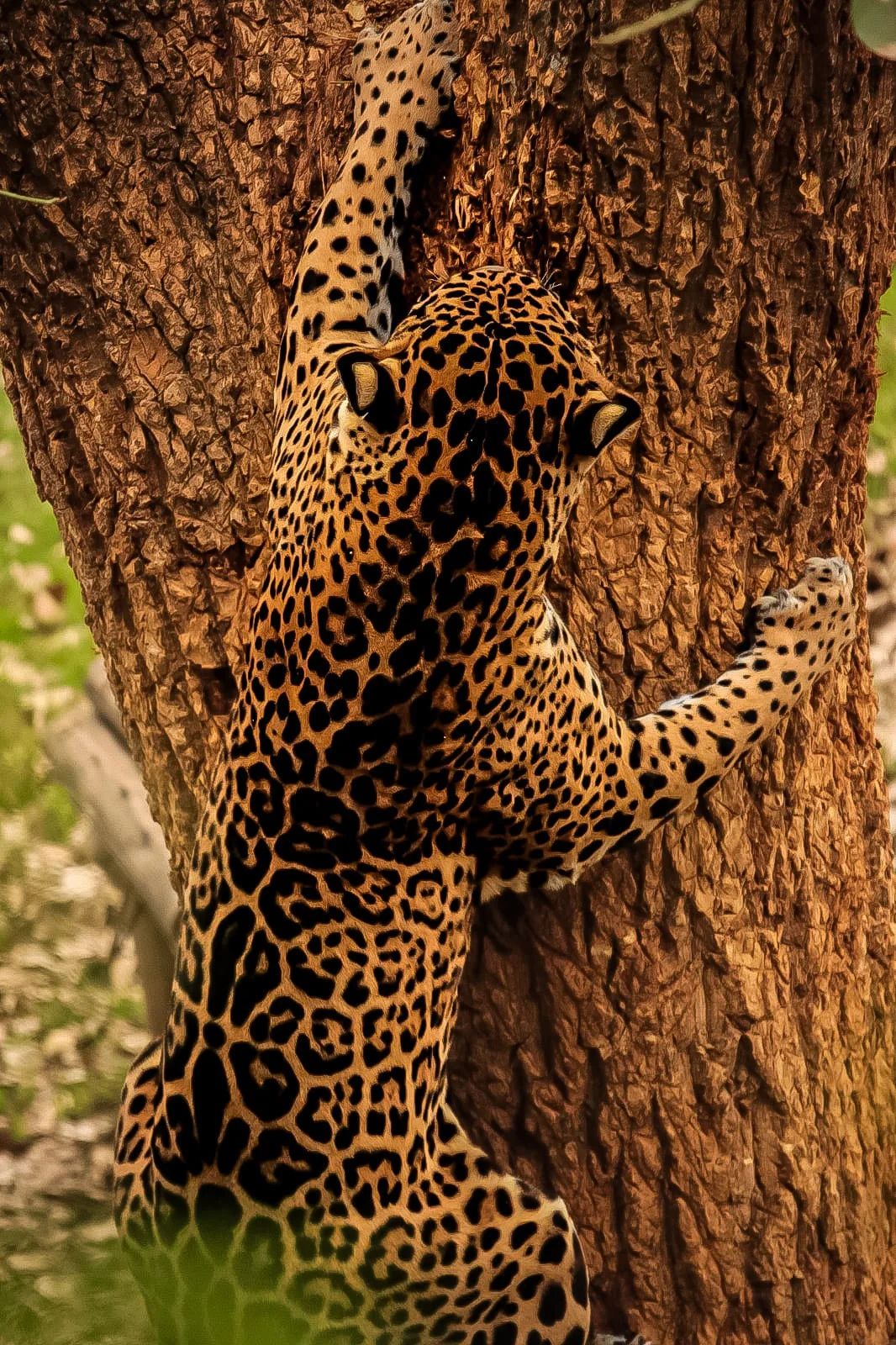
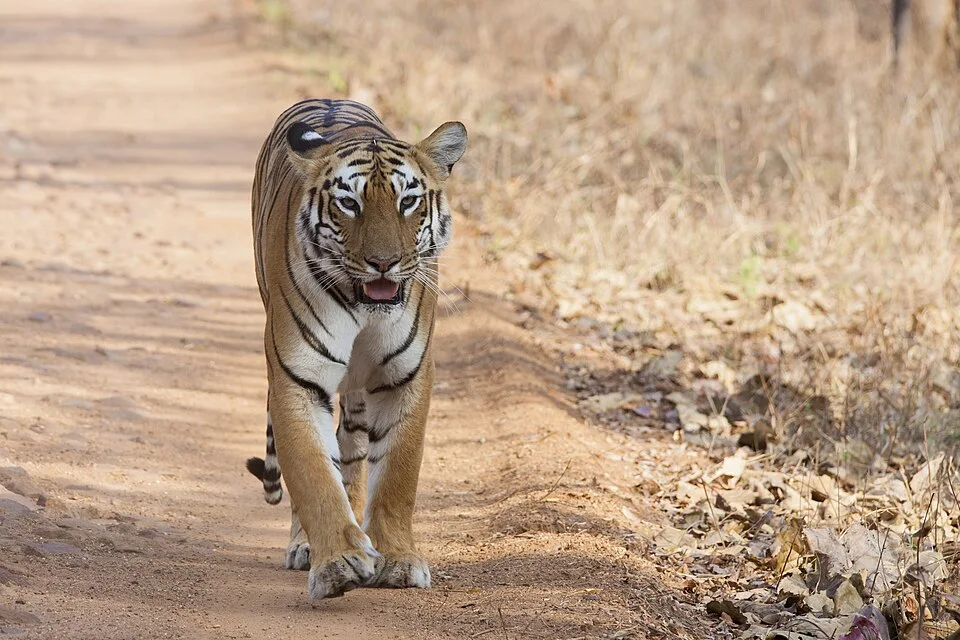
| Physical traits | A jaguar is powerfully built, with relatively short limbs. Many rosettes contain small central spots, a useful contrast with a leopard's usual coat pattern. | Dark stripes break up the tiger’s outline. Stripe patterns vary from one individual to another. |
| Habitat and range | Moist forest, wooded wetlands and other landscapes with dense cover provide hunting and resting places. | Tigers live in varied habitats, including tropical forests, mangrove swamps and temperate forest. |
| Diet and nutrition | Jaguars eat vertebrate prey including mammals and reptiles. Their broad jaws can be used to penetrate hard protective structures. | Tigers mainly hunt large mammals, including deer and wild pigs. |
| Behavior and activity | Adults are mostly solitary. They stalk from cover, swim readily and mark areas with scent and vocal signals. | A tiger usually hunts by stalking its prey and attacking at close range. |
| Reproduction and life cycle | Cubs are born dependent on their mother. Maternal care includes protection and the gradual transition from milk to meat. | Data unavailable |
| Geographic distribution | Present populations are distributed through parts of the Americas. Much of the former northern range has been lost or fragmented. | Data unavailable |
| Ecological role | As large predators, jaguars connect terrestrial and wetland food webs. A diverse prey base supports their presence. | Data unavailable |
| Distinctive adaptations | Strong jaws, swimming ability and a concealed approach allow a varied hunting repertoire. | Data unavailable |
| Conservation | Habitat fragmentation and conflict following livestock losses are important pressures. Protecting connected habitat is relevant to long-term persistence. | Data unavailable |
Classification
Shared ancestry
Closest shared taxon: Panthera.
- LifeLife
- DomainEukaryota
- KingdomAnimalia
- PhylumChordata
- ClassMammalia
- OrderCarnivora
- FamilyFelidae
- GenusPanthera