 Living Beings
Compare species
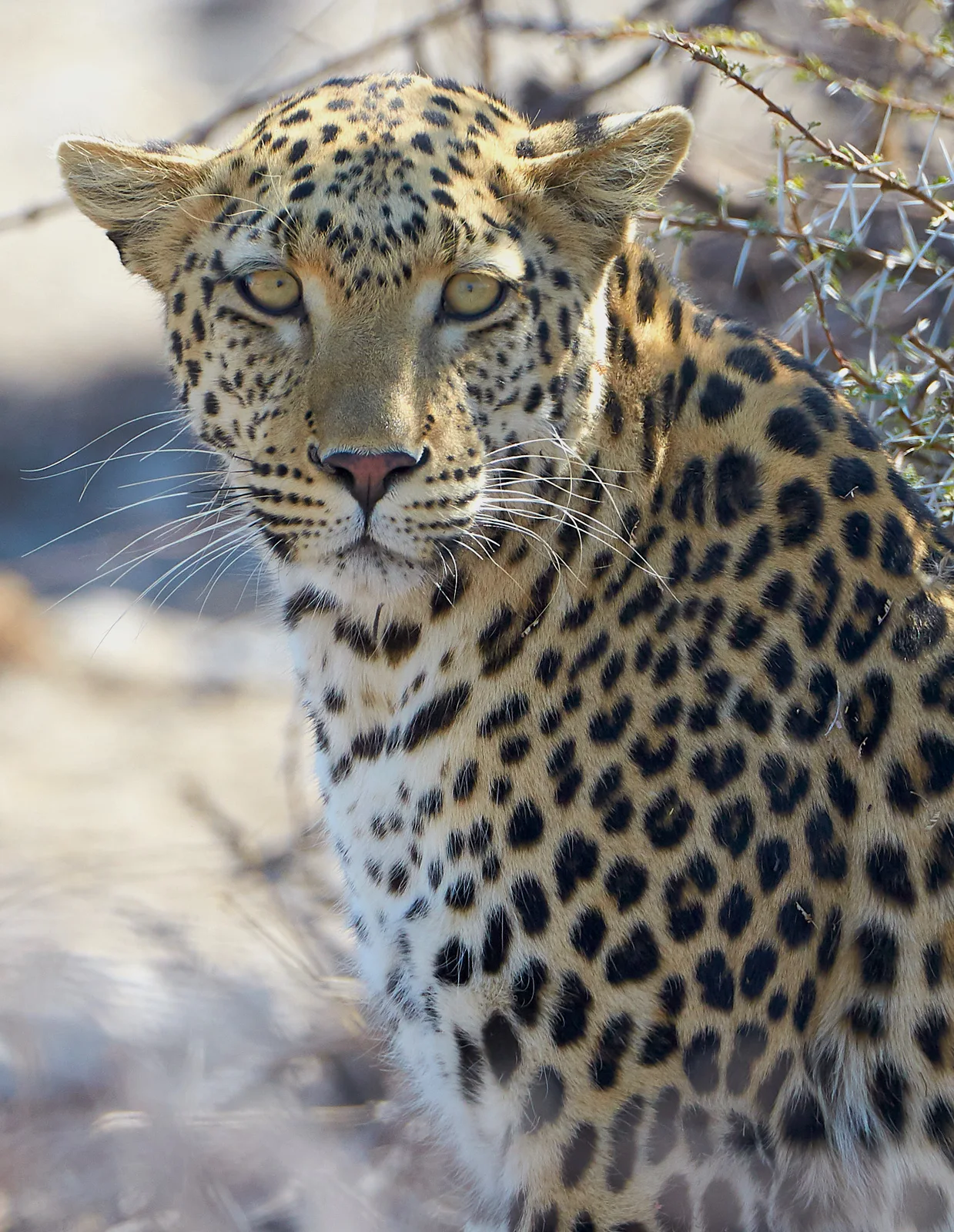
Leopard
Panthera pardus
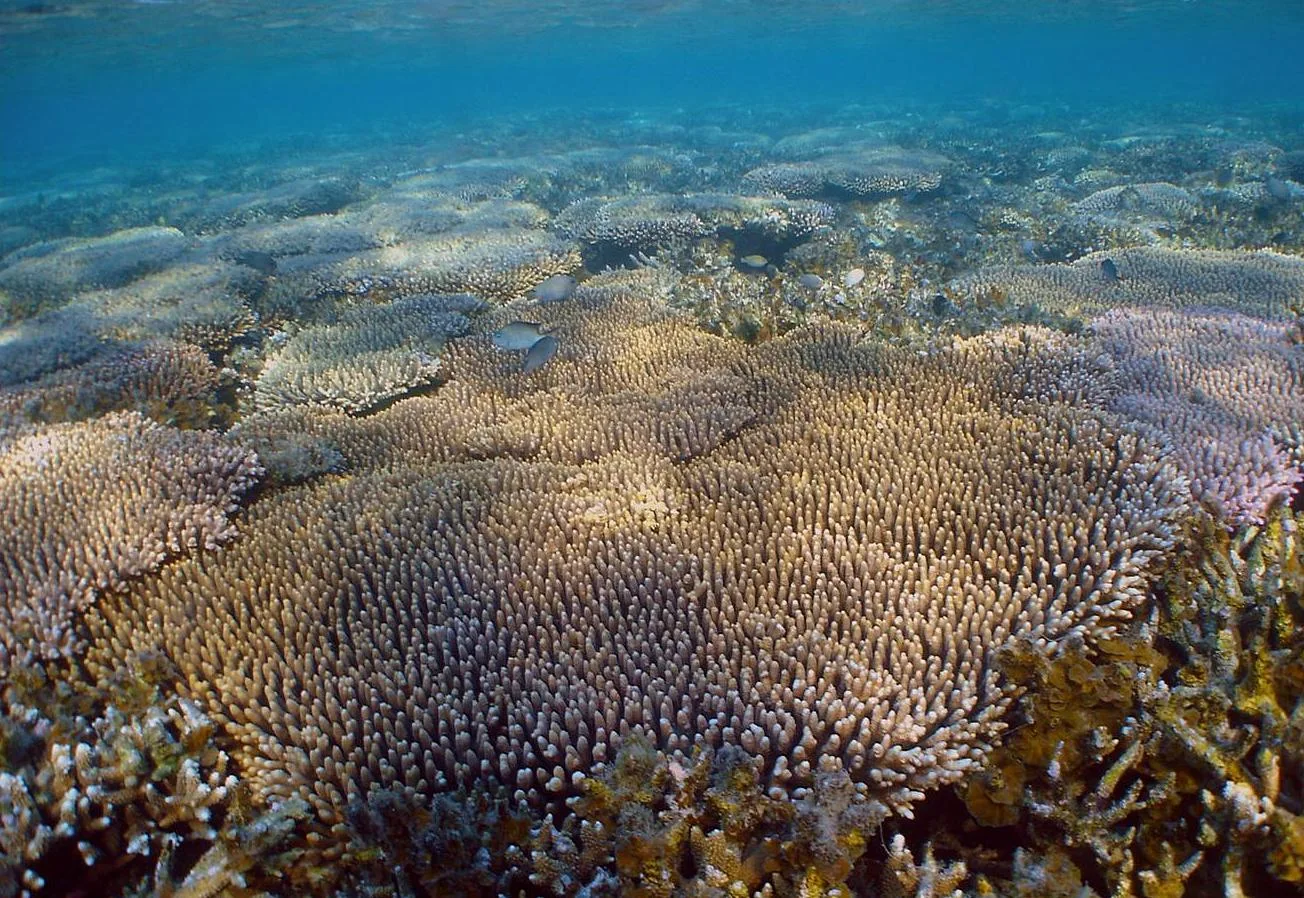
Acropora millepora
Acropora millepora
Evidence from the profiles
Compare their characteristics
| Trait | Leopard | Acropora millepora |
|---|---|---|
| Physical traits | Dark rosettes cover most of the coat, while the face and limbs have smaller spots. Melanistic individuals retain the same underlying pattern. | Colonies form branching structures covered by small skeletal cups that house polyps. Colony color alone is insufficient for secure species identification. |
| Habitat and range | Leopards use forest, woodland, savanna and rocky country. Cover and opportunities to stalk prey matter more than any single vegetation type. | Shallow, well-lit marine reef environments support the coral and its photosynthetic partners. |
| Diet and nutrition | Prey includes mammals of varied sizes. Hunting choices reflect local availability rather than one universal prey species. | Polyps capture small suspended food, while algal symbionts contribute photosynthetic products. |
| Behavior and activity | Adults usually live alone and communicate through scent marks and calls. A leopard approaches prey closely before a short attack. | Tentacles and mucus help the colony interact with surrounding seawater. Recognition mechanisms influence responses to microbes. |
| Reproduction and life cycle | Females rear dependent cubs in sheltered sites. Young learn to hunt before becoming independent. | Colonies grow by producing additional polyps. Sexual reproduction can release gametes that develop into settling larvae. |
| Geographic distribution | The species occurs in Africa and parts of Asia. Its current distribution is fragmented; a historical range should not be read as continuous present-day occupancy. | The species occurs in the Indo-Pacific reef region. Species-level locality records should accompany detailed range mapping. |
| Ecological role | Leopards are predators within diverse food webs and compete with other large carnivores. | Skeletal growth contributes reef structure and habitat. Symbiotic interactions are central to energy supply and colony health. |
| Distinctive adaptations | Climbing ability, camouflage and flexible hunting behavior help leopards exploit varied landscapes. | A colonial body and partnerships with photosynthetic cells support growth in well-lit reef environments. |
| Conservation | Habitat loss, persecution and depletion of prey threaten populations. Regional conditions differ; this account does not assign a new Red List category. | Thermal stress, bleaching and degradation of reef habitat are concerns. A source on molecular recognition does not establish a current Red List category. |
Classification
Shared ancestry
Closest shared taxon: Eumetazoa.