 Living Beings
Compare species
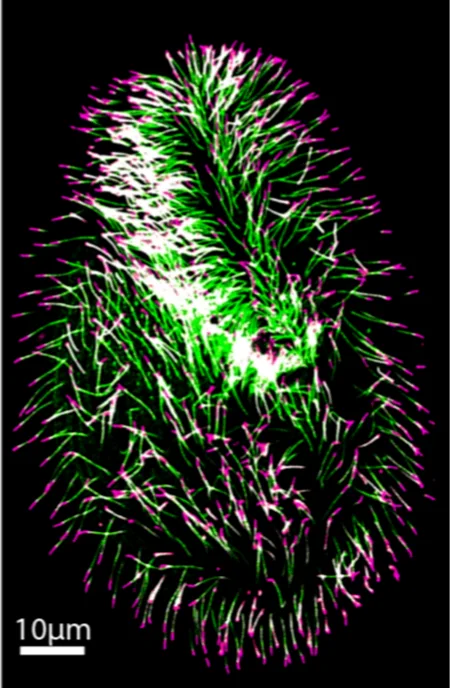
Paramecium tetraurelia
Paramecium tetraurelia
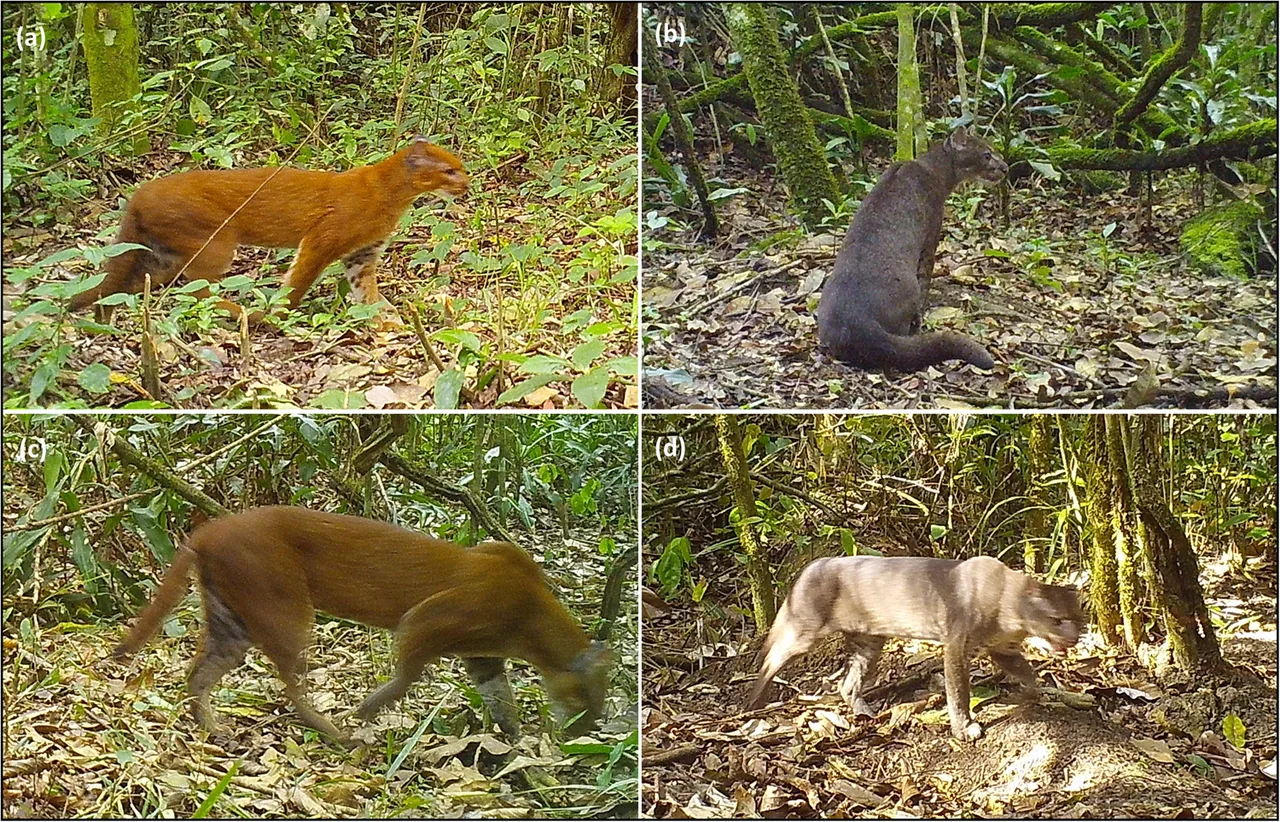
African Golden Cat
Caracal auratus
How to compare two organisms
Choose two species and trace their closest shared group. Then compare a trait with the same definition on each side. Check the units, life stage and context before interpreting a measurement or range.
Missing data means that the collection lacks a sourced value. Where a characteristic does not apply to a lineage, the comparison labels it separately. Open the two profiles for context and follow their sources before drawing a conclusion.
Evidence from the profiles
Compare their characteristics
| Trait | Paramecium tetraurelia | African Golden Cat |
|---|---|---|
| Physical traits | A ciliated, elongated cell body carries an oral feeding region. Closely related members of the species complex can be difficult to separate by appearance alone. | The body is robust and the coat varies between reddish and grayish forms. Spotting can be more visible on some parts of the body. |
| Habitat and range | Freshwater conditions with microbial food support growth in nature and in appropriately prepared cultures. | Dense African forest and secondary growth provide cover and hunting habitat. |
| Diet and nutrition | Ciliary activity directs suspended food toward the oral region, where particles enter food vacuoles. | Rodents and other forest mammals are important prey. Birds and additional small animals may also be taken. |
| Behavior and activity | Coordinated beating of cilia supports swimming and feeding, while sensory responses alter movement. | It is generally solitary and difficult to observe in dense cover. Sparse observations should not be treated as a complete account of its daily behavior. |
| Reproduction and life cycle | Vegetative fission coexists with processes involving germline and somatic nuclei. Nuclear inheritance cannot be reduced to a simple animal-style model. | Data unavailable |
| Geographic distribution | Species identity must be checked within the aurelia complex. A generic Paramecium observation is not automatically a P. tetraurelia record. | The Mammal Diversity Database v2.5 records this species in Angola, Cameroon, Central African Republic, Cote d'Ivoire, Democratic Republic of the Congo, Equatorial Guinea, Gabon, Ghana, Guinea, Liberia, Nigeria, Republic of the Congo, Sierra Leone, Uganda, Benin?, Burundi?, Gambia?, Guinea-Bissau?, Kenya?, Rwanda?, Senegal?, Sudan?, Togo?. |
| Ecological role | Feeding on microorganisms places the ciliate within freshwater microbial communities. | Data unavailable |
| Distinctive adaptations | Genome analysis revealed at least three successive whole-genome duplications. Copies were not all lost at once: retention patterns differ among genes, with shared dosage requirements helping explain why some copies persist. This research distinguishes the history of its genome from the ordinary division of a cell during growth. | Data unavailable |
Classification
Shared ancestry
Closest shared taxon: Eukaryota.