 Living Beings
Compare species
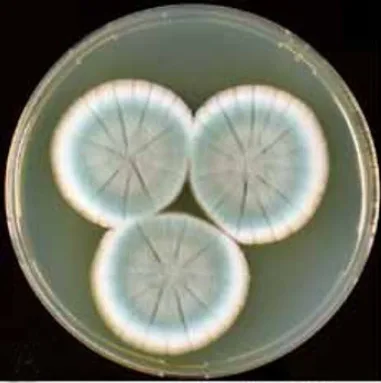
Penicillium rubens
Penicillium rubens
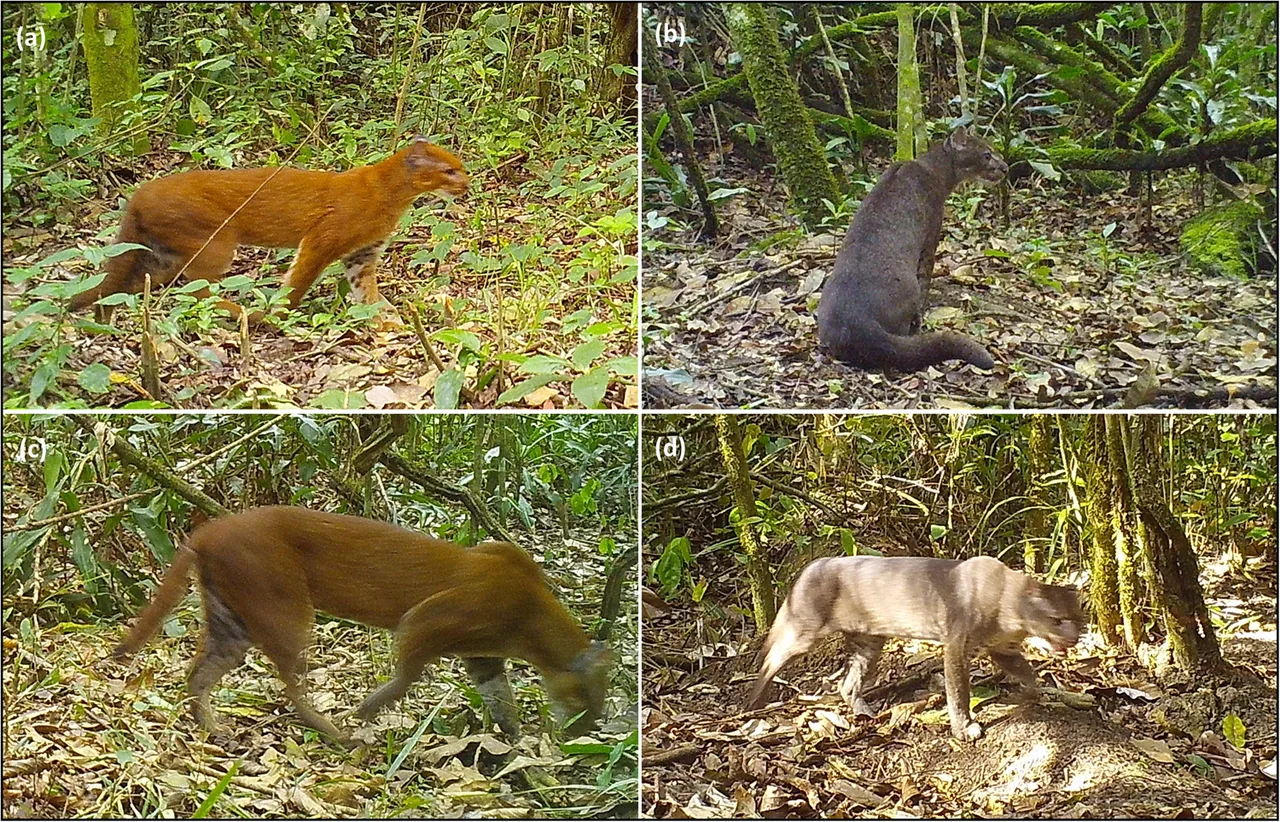
African Golden Cat
Caracal auratus
How to compare two organisms
Choose two species and trace their closest shared group. Then compare a trait with the same definition on each side. Check the units, life stage and context before interpreting a measurement or range.
Missing data means that the collection lacks a sourced value. Where a characteristic does not apply to a lineage, the comparison labels it separately. Open the two profiles for context and follow their sources before drawing a conclusion.
Evidence from the profiles
Compare their characteristics
| Trait | Penicillium rubens | African Golden Cat |
|---|---|---|
| Physical traits | Branching hyphae produce brush-like conidiophores bearing chains of spores. Microscopic and molecular characters are needed for reliable identification. | The body is robust and the coat varies between reddish and grayish forms. Spotting can be more visible on some parts of the body. |
| Habitat and range | The fungus can grow on suitable organic substrates and is maintained in laboratory and industrial culture collections. | Dense African forest and secondary growth provide cover and hunting habitat. |
| Diet and nutrition | Nutrients are absorbed after growth and enzyme activity on organic material. Selected strains have been developed for penicillin production. | Rodents and other forest mammals are important prey. Birds and additional small animals may also be taken. |
| Behavior and activity | A spreading mycelium explores a substrate and produces conidia when conditions permit. | It is generally solitary and difficult to observe in dense cover. Sparse observations should not be treated as a complete account of its daily behavior. |
| Reproduction and life cycle | Conidia disperse asexual propagules and germinate into new hyphae. This account does not infer a sexual cycle from that of a related species. | Data unavailable |
| Geographic distribution | Documented isolates and cultures are distributed internationally. Historical records under P. chrysogenum need reassessment before being assigned to this species. | The Mammal Diversity Database v2.5 records this species in Angola, Cameroon, Central African Republic, Cote d'Ivoire, Democratic Republic of the Congo, Equatorial Guinea, Gabon, Ghana, Guinea, Liberia, Nigeria, Republic of the Congo, Sierra Leone, Uganda, Benin?, Burundi?, Gambia?, Guinea-Bissau?, Kenya?, Rwanda?, Senegal?, Sudan?, Togo?. |
| Ecological role | Its decomposition role and its industrial history concern different settings; neither should be used as a universal description of every isolate. | Data unavailable |
| Distinctive adaptations | Conidial dispersal and strain-specific secondary metabolism contribute to its biological and historical significance. | Data unavailable |
Classification
Shared ancestry
Closest shared taxon: Opisthokonta.