 Living Beings
Compare species
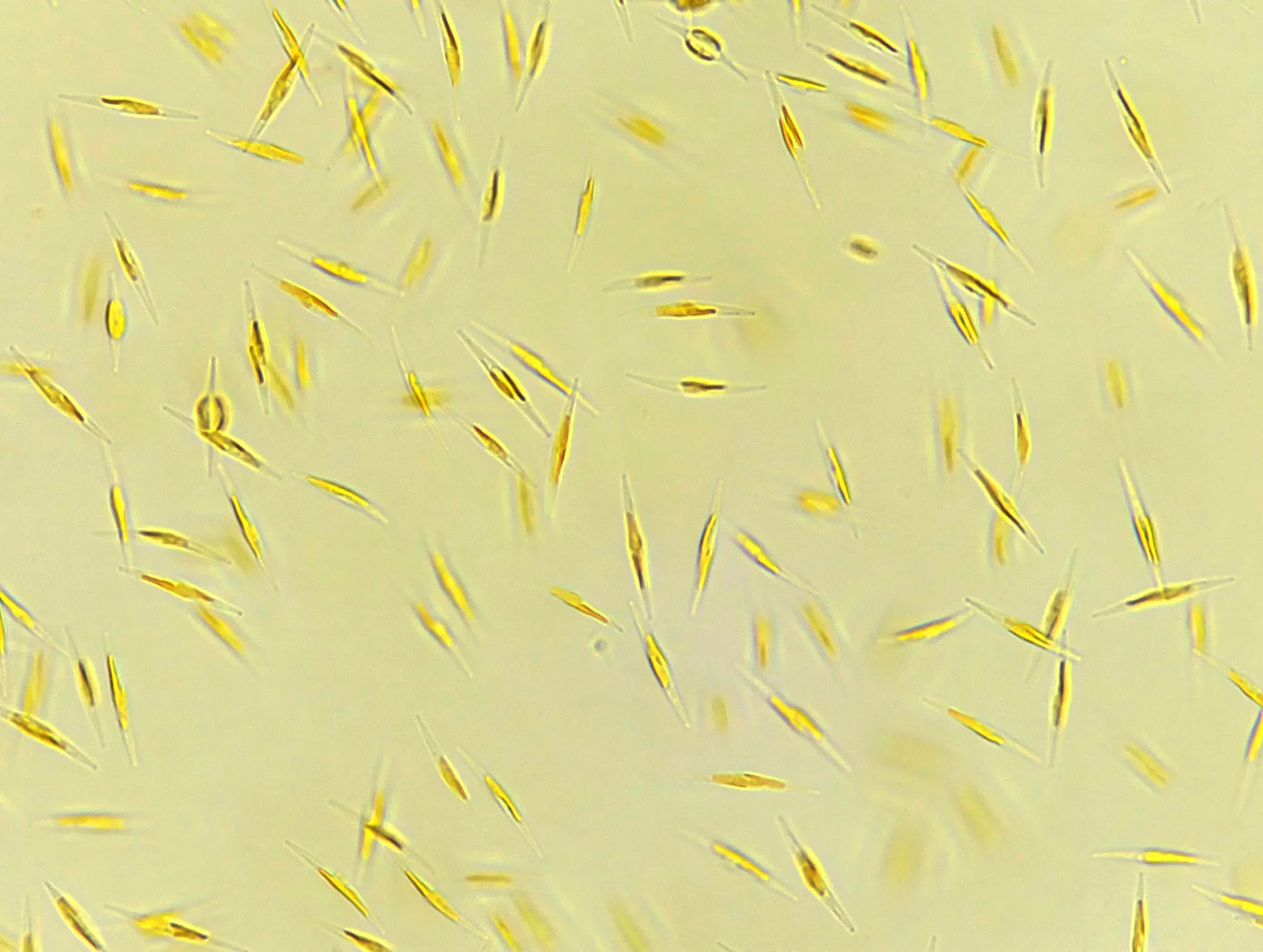
Phaeodactylum tricornutum
Phaeodactylum tricornutum
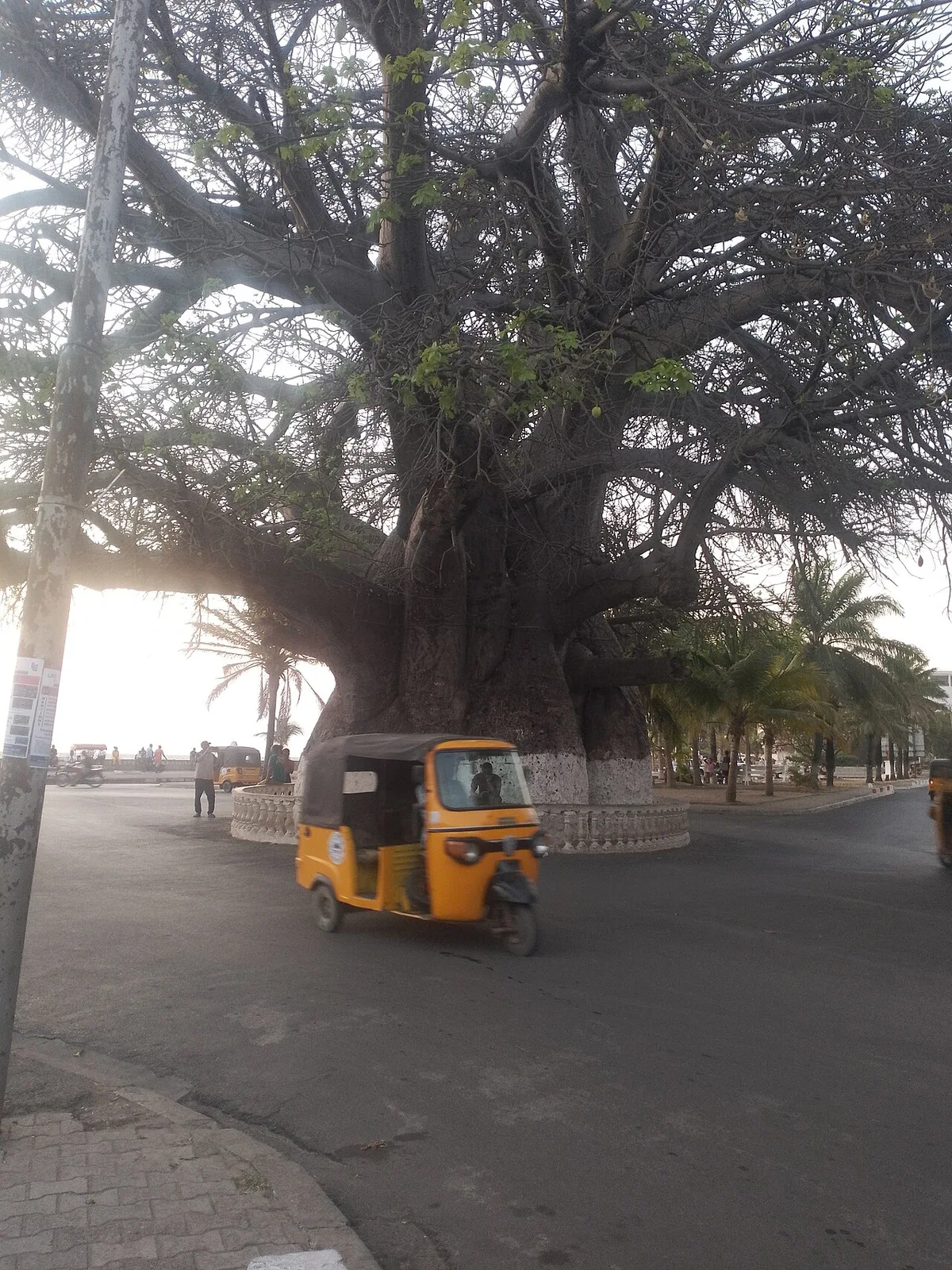
African Baobab
Adansonia digitata
Evidence from the profiles
Compare their characteristics
| Trait | Phaeodactylum tricornutum | African Baobab |
|---|---|---|
| Physical traits | This diatom can occur as oval, spindle-shaped or three-armed cells. A comparison of the Pt3 strain showed shared features of the plastid, nucleus and cytoskeleton across those forms, alongside differences in protein secretion. The oval form released proteins faster in that experiment, showing that changes in outline can accompany functional differences. | Thick, fibrous bark surrounds a broad trunk. Each compound leaf has several leaflets radiating from a central point. |
| Habitat and range | Marine and coastal-associated culture conditions support this model diatom. Strain and environmental conditions affect the observed growth form. | A terrestrial tree of tropical Africa, it is adapted to seasonally dry conditions and is also planted in gardens and settlements. |
| Diet and nutrition | Photosynthesis fixes inorganic carbon, with dissolved nutrients supplying the other materials needed for growth. | Leaves produce sugars through photosynthesis. Water and mineral nutrients are taken up through the roots. |
| Behavior and activity | Cells respond to changing resources and conditions through physiological and morphological variation. | Data unavailable |
| Reproduction and life cycle | Vegetative cell division expands cultures. This account does not infer a sexual schedule merely from that of other diatoms. | Large, hanging white flowers develop into capsules containing seeds embedded in pale, powdery pulp. New trees can be grown from seed. |
| Geographic distribution | Authenticated isolates have individual collection records; their laboratory distribution should not be used as a global occurrence map. | Native to Africa and cultivated elsewhere. The accompanying photograph shows a planted specimen in Madagascar; that location should not be confused with the native range of every baobab species. |
| Ecological role | Diatoms participate in aquatic primary production and nutrient cycling, with species differing in physiology and structure. | Its flowers, fruit and extensive woody structure provide biological resources. The familiar name baobab also applies to other species, which should not be confused with this one. |
| Distinctive adaptations | A genome shaped by gene-family changes and ancient gene transfers provides a varied metabolic repertoire. | A substantial trunk and drought-resistant growth form help distinguish this tree from many humid-forest trees. |
Classification
Shared ancestry
Closest shared taxon: Eukaryota.