 Living Beings
Evidence from the profiles
Compare their characteristics
| Trait | Cougar | Tiger |
|---|---|---|
| Nutrition | Data unavailable | Carnivorous Source ↗ |
| Social organization | Data unavailable | Generally solitary Source ↗ |
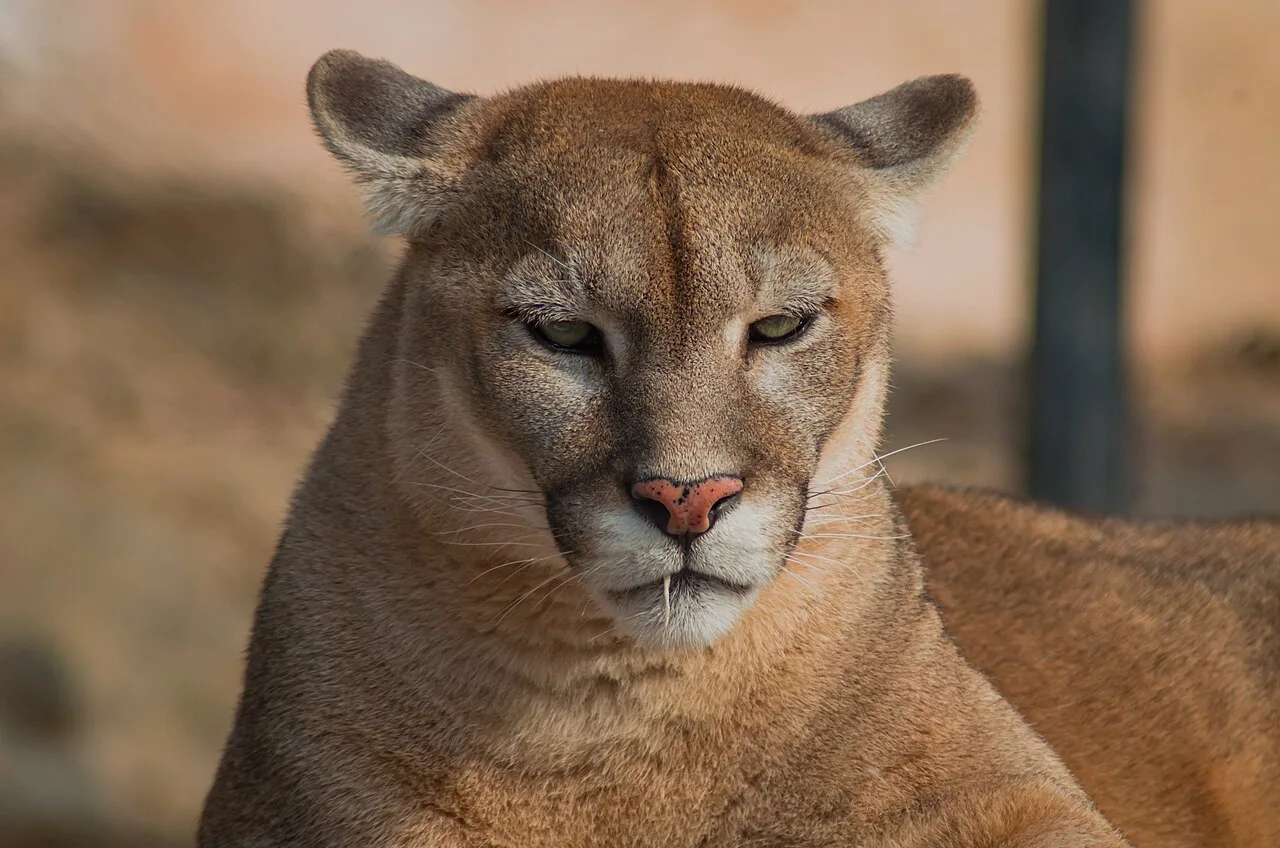
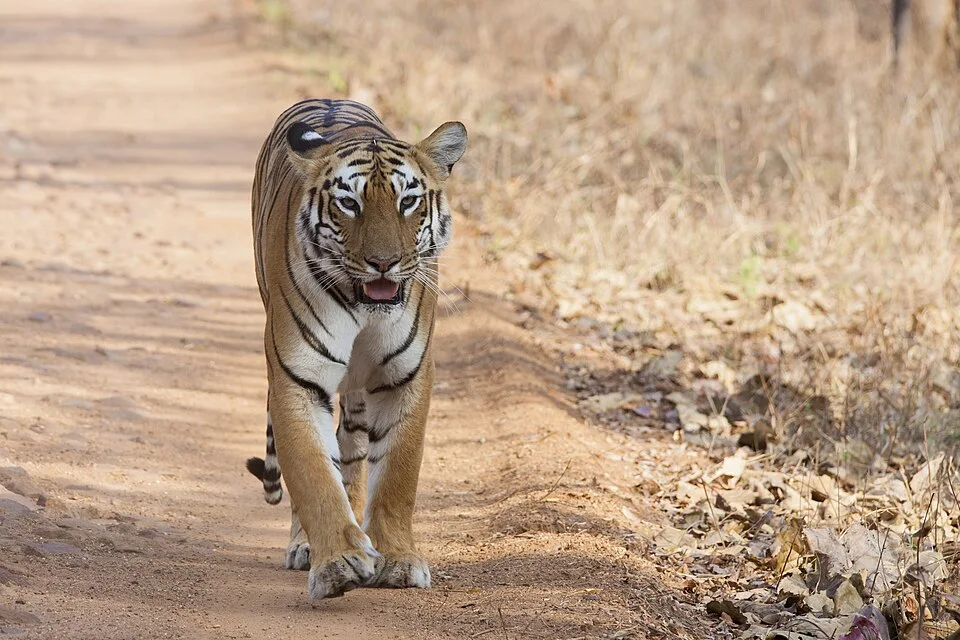
| Physical traits | A long tail, muscular body and mostly plain adult coat are characteristic. | Dark stripes break up the tiger’s outline. Stripe patterns vary from one individual to another. |
| Habitat and range | Forests, mountains, scrub and other habitats can be used where cover and prey are adequate. | Tigers live in varied habitats, including tropical forests, mangrove swamps and temperate forest. |
| Diet and nutrition | Ungulates are important prey in many areas, with smaller animals supplementing the diet. | Tigers mainly hunt large mammals, including deer and wild pigs. |
| Behavior and activity | Adults are largely solitary outside mating and mothers with young. Cover supports stalking, and captured prey may be sheltered for later feeding. | A tiger usually hunts by stalking its prey and attacking at close range. |
| Geographic distribution | The Mammal Diversity Database v2.5 records this species in Argentina, Belize, Bolivia, Brazil, Canada, Chile, Colombia, Costa Rica, Ecuador, El Salvador, French Guiana, Guatemala, Guyana, Honduras, Mexico, Nicaragua, Panama, Paraguay, Peru, Suriname, United States, Venezuela, Uruguay?. | Data unavailable |
Classification
Shared ancestry
Closest shared taxon: Felidae.
Explore the taxonomy ↗