 Living Beings

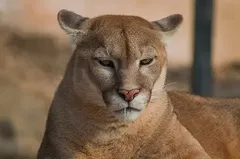 Framed for display
Species · Puma
Cougar
Puma concolor
Cougars do more than hunt ungulates. In Greater Yellowstone, carcasses they left behind supported a richer community of beetles.
Genus · Scientific classification
Puma is the genus of the cougar, Puma concolor. Puma, mountain lion and cougar are common names for that species.
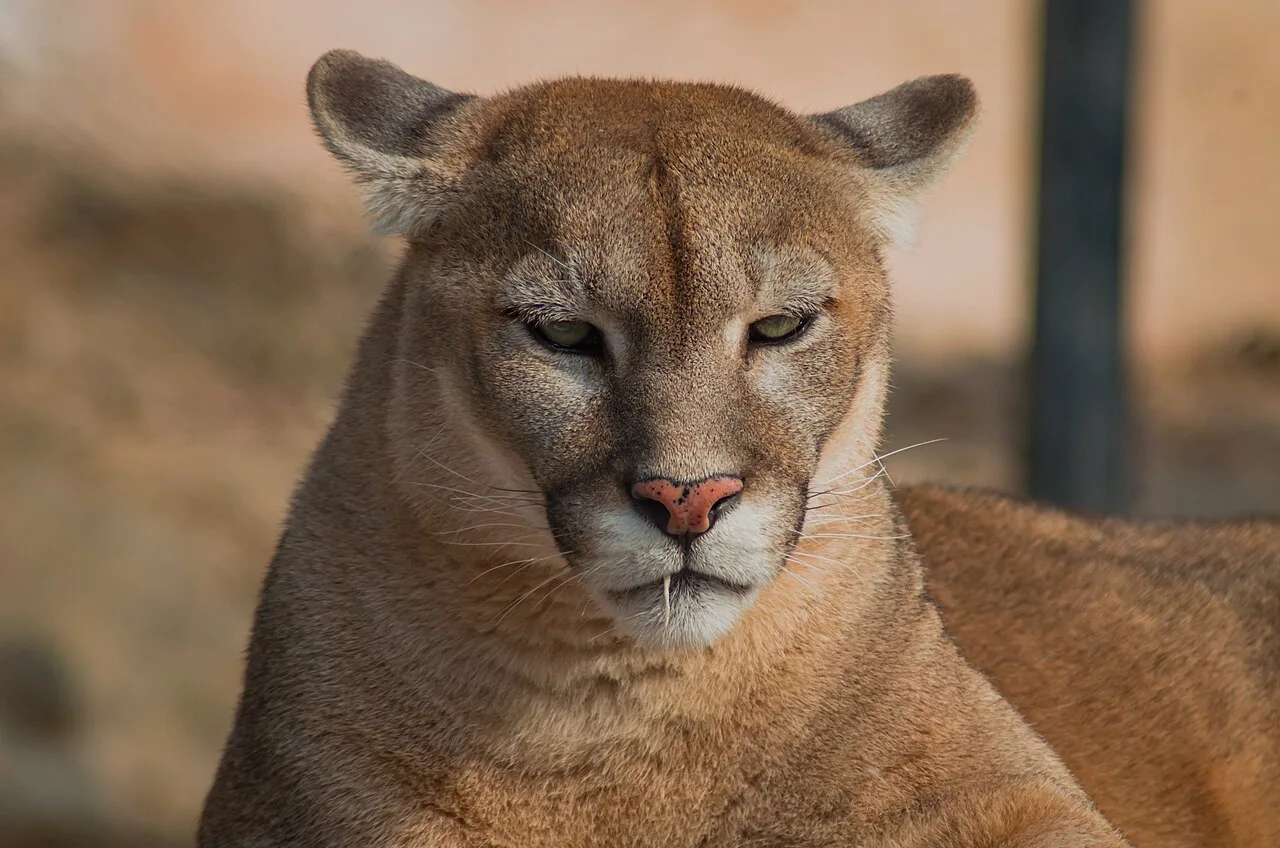 Framed for display
Explore broader group · Felidae ↗
NCBI Taxonomy (2026-11-05 reconciled backbone) · Taxon source ↗
Group guide
The Mammal Diversity Database places the living cougar in Puma and the jaguarundi in Herpailurus. Both are members of the puma lineage with the cheetah. The lineage name covers these three branches; the genus Puma has a narrower meaning.
Source for which species are classified in puma? ↗Some references classify the jaguarundi as Puma yagouaroundi. The U.S. Fish and Wildlife Service has used that combination in regulatory records, while the catalog follows the grouping that places the jaguarundi in Herpailurus. The two genus names in the literature can refer to the same jaguarundi species under different taxonomies.
Source for why some records say puma yagouaroundi ↗Cougars occupy forests, dry scrublands, rocky mountains and parts of open grassland in the Americas. Cover, prey and human activity shape how populations use these settings. Regional differences in size and habitat use are worth checking before treating a study of one population as typical of the species.
Source for one cougar species across varied habitats ↗Living species · MDD v2.5 · 28 July 2026
1 living species in 1 genera in this dated checklist; 1 have public profiles here.
The main tree follows NCBI. MDD can recognize different species boundaries or spellings; these differences are shown below. A taxonomy record is not a completed natural-history article.
Checklist attribution: Mammal Diversity Database (2026), version 2.5. American Society of Mammalogists. Only living species are included; subspecies and extinct species are outside this checklist.
Within this taxon
Framed for display
Puma concolor
Cougars do more than hunt ungulates. In Greater Yellowstone, carcasses they left behind supported a richer community of beetles.