 Living Beings
Compare species
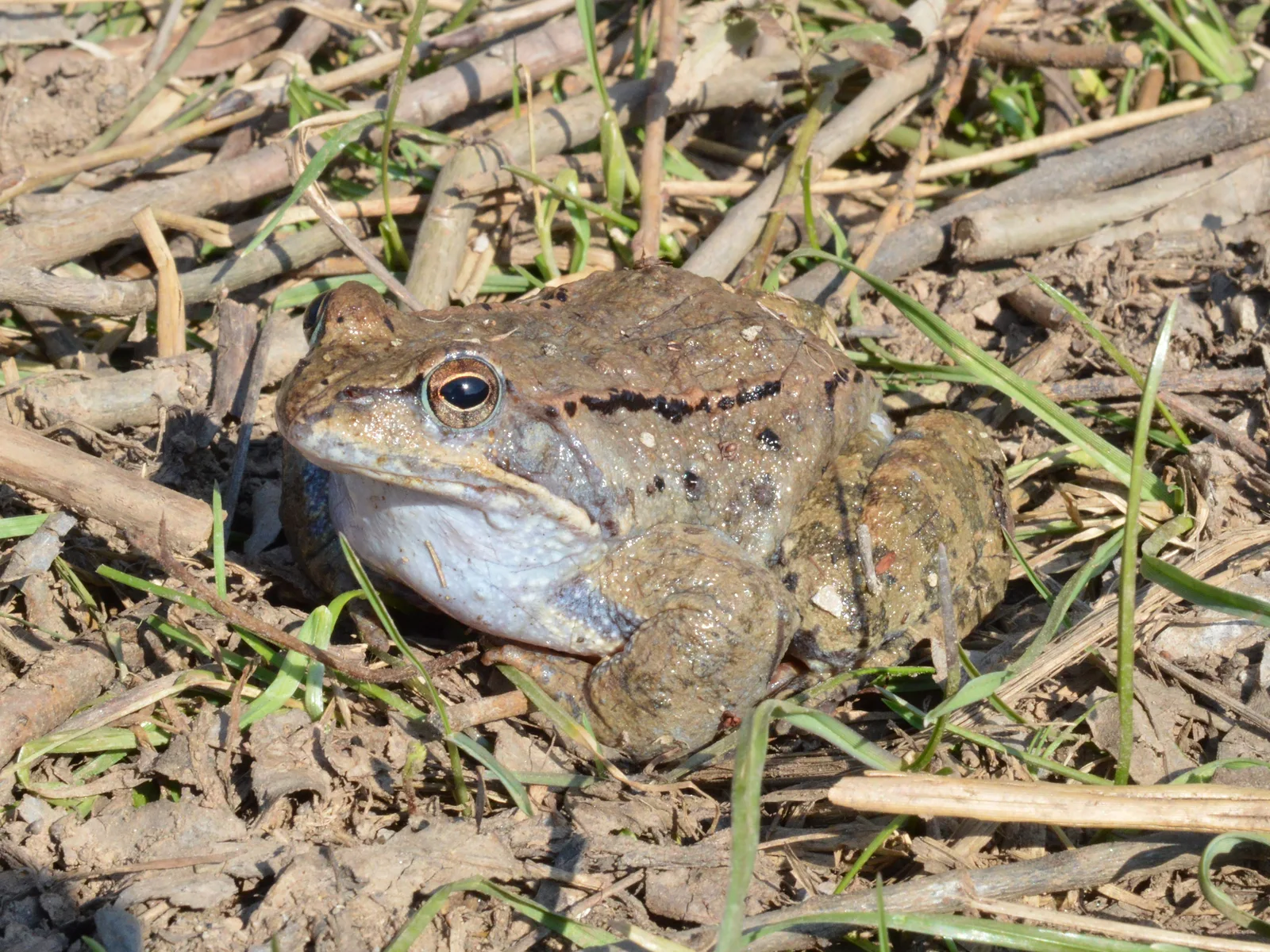
Common Frog
Rana temporaria
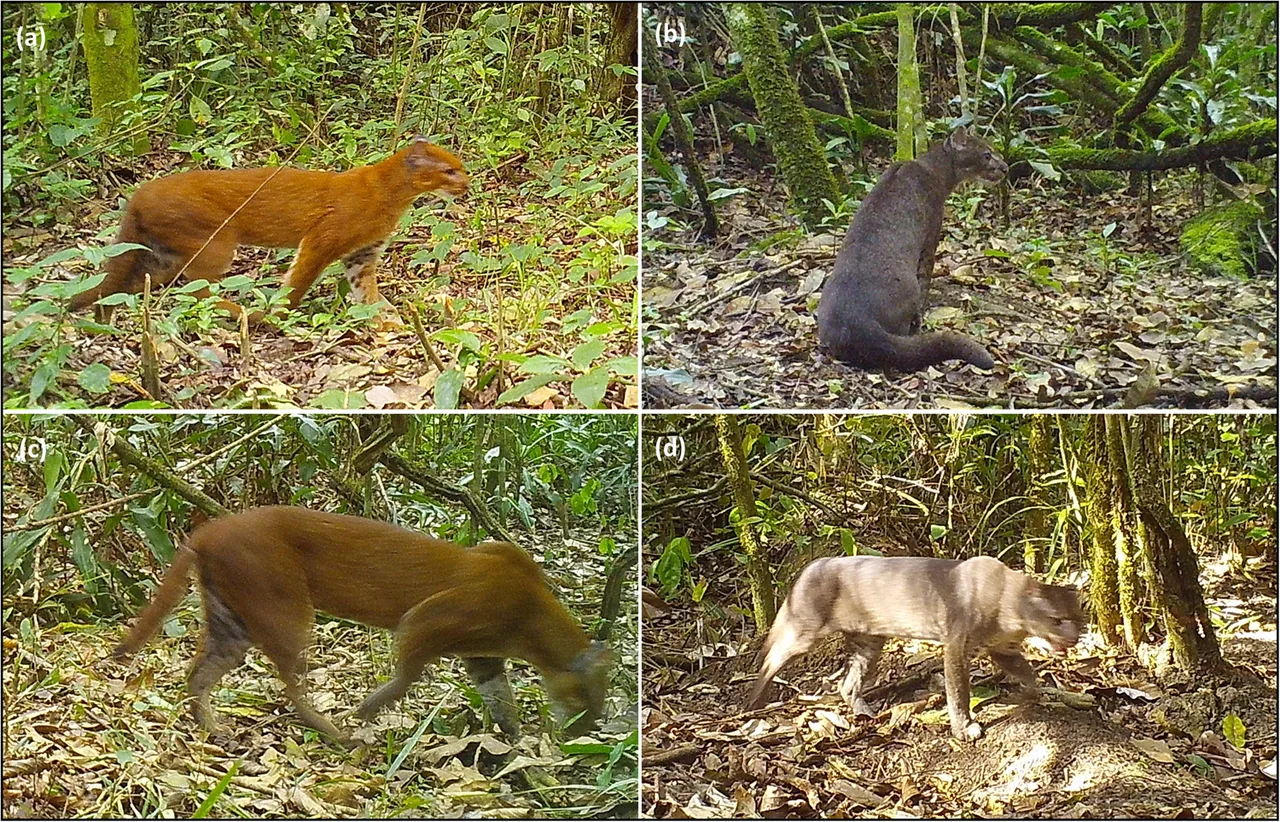
African Golden Cat
Caracal auratus
How to compare two organisms
Choose two species and trace their closest shared group. Then compare a trait with the same definition on each side. Check the units, life stage and context before interpreting a measurement or range.
Missing data means that the collection lacks a sourced value. Where a characteristic does not apply to a lineage, the comparison labels it separately. Open the two profiles for context and follow their sources before drawing a conclusion.
Evidence from the profiles
Compare their characteristics
| Trait | Common Frog | African Golden Cat |
|---|---|---|
| Physical traits | Adults have a smooth, variable brownish coat, a dark patch behind the eye and long hind limbs. | The body is robust and the coat varies between reddish and grayish forms. Spotting can be more visible on some parts of the body. |
| Habitat and range | Moist woodland, grassland and gardens provide terrestrial shelter. Standing freshwater is used for breeding. | Dense African forest and secondary growth provide cover and hunting habitat. |
| Diet and nutrition | Adults eat invertebrates. Tadpoles use different aquatic food resources during development. | Rodents and other forest mammals are important prey. Birds and additional small animals may also be taken. |
| Behavior and activity | Seasonal movements bring adults to breeding water. Activity and overwintering respond to temperature and moisture. | It is generally solitary and difficult to observe in dense cover. Sparse observations should not be treated as a complete account of its daily behavior. |
| Reproduction and life cycle | Egg masses develop into tadpoles, which grow limbs and undergo metamorphosis before taking up a more terrestrial life. | Data unavailable |
| Geographic distribution | The species occurs across much of Europe and into parts of temperate Asia, with local limits set by climate and habitat. | The Mammal Diversity Database v2.5 records this species in Angola, Cameroon, Central African Republic, Cote d'Ivoire, Democratic Republic of the Congo, Equatorial Guinea, Gabon, Ghana, Guinea, Liberia, Nigeria, Republic of the Congo, Sierra Leone, Uganda, Benin?, Burundi?, Gambia?, Guinea-Bissau?, Kenya?, Rwanda?, Senegal?, Sudan?, Togo?. |
| Ecological role | Frogs connect freshwater and terrestrial food webs as both consumers and prey. | Data unavailable |
| Distinctive adaptations | Powerful hind limbs aid swimming and jumping; permeable skin makes access to moisture important. | Data unavailable |
| Conservation | Loss of ponds and surrounding terrestrial habitat can affect local populations. Healthy breeding water alone is not the whole habitat requirement. | Data unavailable |
Classification
Shared ancestry
Closest shared taxon: Tetrapoda.