 Living Beings

 Framed for display
Species · Rana
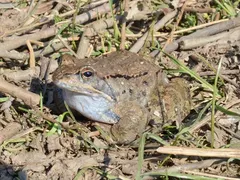
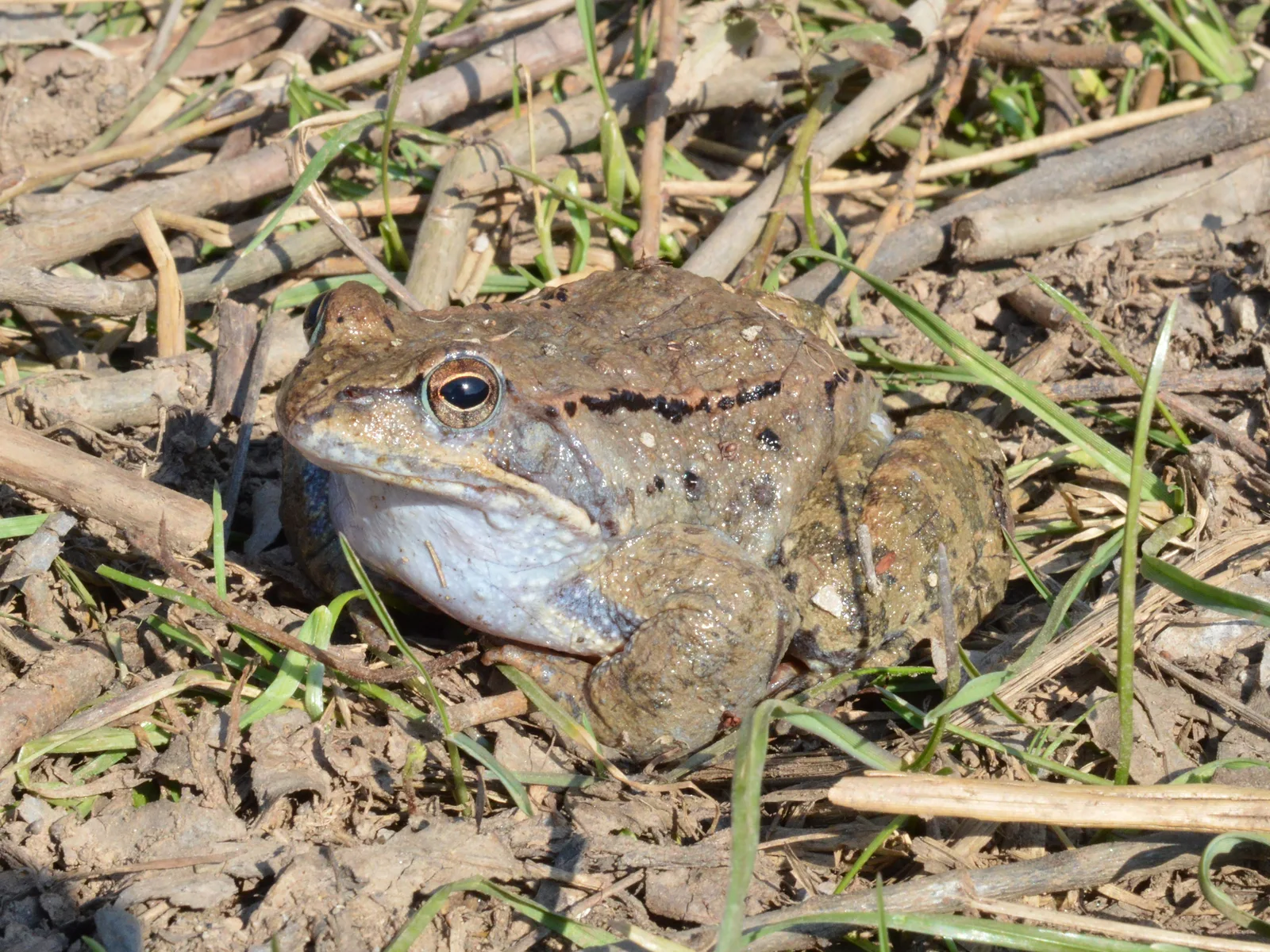
Common Frog
Rana temporaria
The common frog moves between terrestrial feeding habitat and freshwater breeding sites. Its life cycle includes a swimming tadpole that differs markedly …
Class · Scientific classification
Amphibia includes frogs, salamanders and caecilians, with life cycles that vary with lineage and habitat.
 Framed for display
Explore broader group · Chordata ↗
NCBI Taxonomy (2026-11-05 reconciled backbone) · Taxon source ↗
Group guide
Frogs and toads form one major branch of living amphibians, salamanders and newts another, and caecilians a third. A salamander can resemble a lizard at a glance, but amphibians and reptiles belong to different evolutionary branches. Caecilians are limbless amphibians, which is one reason body shape alone is a poor classification rule.
Source for three branches of living amphibians ↗Many familiar frogs lay eggs that develop into free-swimming tadpoles. Some amphibians instead develop on land or retain larval traits into adulthood. The stages that need water, shelter or a suitable temperature differ across species. Use the linked organism profiles to compare amphibian development in different habitats.
Source for life histories depend on more than ponds ↗The second global amphibian assessment compared extinction risk across thousands of species. Habitat loss remains a major pressure, and disease and climate change contribute to declines. A class-wide assessment shows patterns across many lineages. The status of any individual amphibian still needs its own dated assessment.
Source for conservation across the class ↗Within this taxon
Framed for display
Rana temporaria
The common frog moves between terrestrial feeding habitat and freshwater breeding sites. Its life cycle includes a swimming tadpole that differs markedly …
 Framed for display
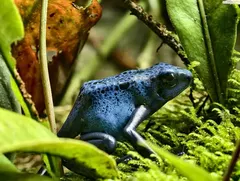
Dendrobates tinctorius
The dyeing poison frog is a day-active tropical frog with strikingly variable colors. Its parental care connects the forest floor with small …