 Living Beings
Compare species
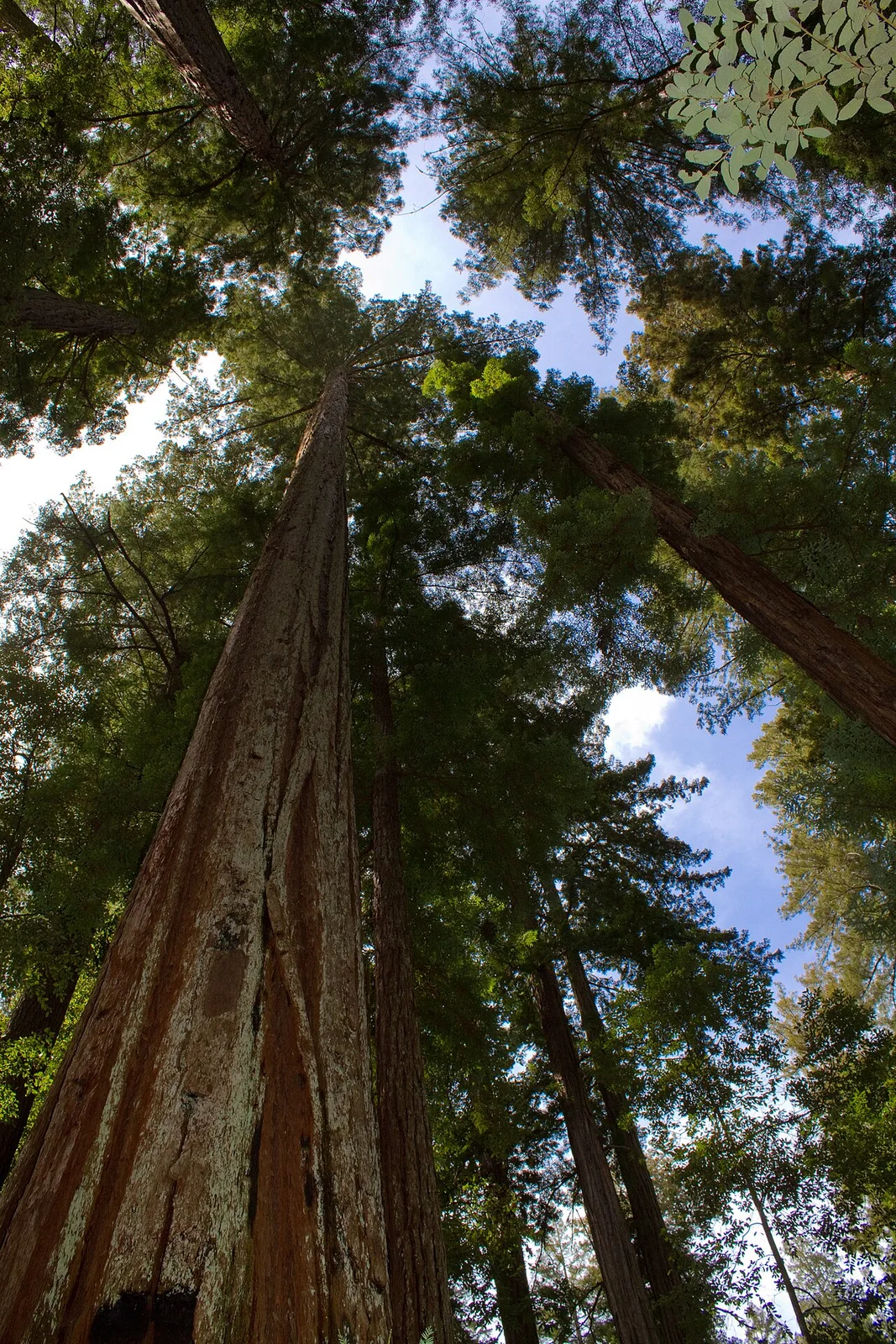
Coast Redwood
Sequoia sempervirens
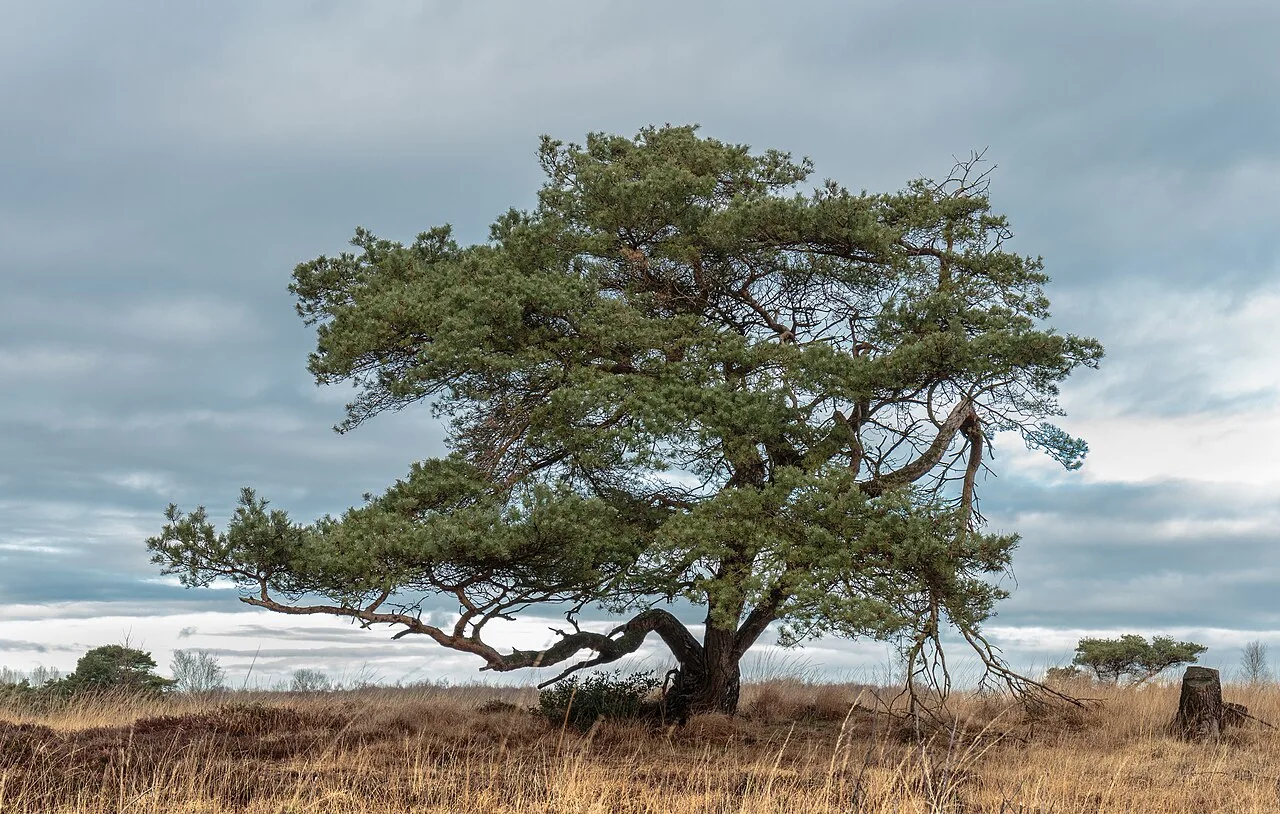
Scots Pine
Pinus sylvestris
How to compare two organisms
Choose two species and trace their closest shared group. Then compare a trait with the same definition on each side. Check the units, life stage and context before interpreting a measurement or range.
Missing data means that the collection lacks a sourced value. Where a characteristic does not apply to a lineage, the comparison labels it separately. Open the two profiles for context and follow their sources before drawing a conclusion.
Classification
Shared ancestry
Closest shared evolutionary group · Pinidae.
Separate lineages
Biological comparison
Compare like with like. A mean, a range and a reported maximum summarize different things. Check the population and field or study conditions before interpreting differences.
| Characteristic | Coast Redwood | Scots Pine |
|---|---|---|
| Scientific measurements | ||
| Tree height |
60–90 m
Typical range · Mature Source and measurement contextTypical mature height in the regional silviculture table. · ≈ 200–300 ft Vertical height of a mature tree in the source conditions.
|
15–30 m
Typical range · Mature tree Source and measurement contextMature range in the Forest Service species review. · ≈ 49–98 ft Vertical height of a mature tree in the source conditions.
|
| Trunk diameter at breast height |
30–77 cm
Reported range · Humboldt County, California Source and measurement contextDiameter at breast height. This range is a size class on one 12-ha old-growth tract, not the species-wide range. · ≈ 12–30 in Diameter at the conventional breast-height sampling point.
| Not recorded |
| Tree longevity |
500–1000 years
Typical range Source and measurement contextTypical longevity in the regional silviculture table. Lifespan of an individual tree. US Forest Service · Pacific coastal temperate rainforests ↗ Table 15.1 | Not recorded |
| Needle length | Different measurement scope |
4.5–9.0 cm
Reported range Source and measurement contextSpecies description in the Forest Service review. · ≈ 1.8–3.5 in Length of one needle, excluding its supporting twig. U.S. Forest Service · Scots pine FEIS report ↗ Botanical and ecological characteristics |
| Natural history | ||
| Nutrition and energy acquisition |
Foliage captures light for photosynthesis. Roots draw water and dissolved nutrients from the soil. Source 1 ↗Source 2 ↗ |
Evergreen needles supply photosynthetic sugars. Root-associated fungi contribute to nutrient acquisition in forest soils. Source 1 ↗Source 2 ↗ |
| Habitat |
Sheltered valleys, stream corridors and moist coastal slopes support redwood forest. Site moisture strongly influences growth. Source 1 ↗Source 2 ↗ |
The species grows in varied soils but requires adequate light for successful regeneration. Prolonged shade strongly limits young trees. Source 1 ↗Source 2 ↗ |
| Geographic distribution |
Its natural range follows coastal northern and central California into southwestern Oregon. Planted redwoods occur well outside that range. Source 1 ↗Source 2 ↗ |
Scots pine is native across a broad Eurasian range and has been planted beyond it. Source 1 ↗Source 2 ↗ |
| Morphology |
A tall trunk bears fibrous reddish bark and a crown of needle-like foliage. Small woody cones distinguish it as a seed-bearing conifer rather than a flowering tree. Source 1 ↗Source 2 ↗ |
Needles grow in pairs. Mature trees can develop a high, open crown and contrasting reddish upper bark. Source 1 ↗Source 2 ↗ |
| Reproduction and life cycle |
Seeds released from cones can establish seedlings. New shoots can also arise from the root crown or dormant buds, so regeneration is not limited to seeds. Source 1 ↗Source 2 ↗ |
Wind carries pollen between reproductive structures; seeds develop in cones. Juvenile growth precedes regular cone production. Source 1 ↗Source 2 ↗ |
| Ecological role |
Large living trees and fallen wood create persistent forest structure and varied habitats. Source 1 ↗Source 2 ↗ |
Pine stands supply structural habitat and organic material, while regeneration interacts with local fire and succession regimes. Source 1 ↗Source 2 ↗ |
| Behavior and activity |
No separate account recorded |
Seedling establishment often follows canopy openings or disturbance. Weather and available moisture influence recruitment. Source 1 ↗Source 2 ↗ |
| Environmental adaptations |
Thick bark and the ability to sprout can aid survival or recovery after disturbance. These traits do not make redwoods immune to severe fire. Source 1 ↗Source 2 ↗ |
Persistent needles and tolerance of nutrient-poor sites support growth where more demanding trees may struggle. Source 1 ↗Source 2 ↗ |
| Conservation |
No separate account recorded |
The condition of native populations and planted stands varies. Local climate stress and genetic provenance require attention. Source 1 ↗Source 2 ↗ |