 Living Beings

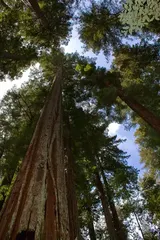 Framed for display
Species · Sequoia
Coast Redwood
Sequoia sempervirens
The coast redwood is an evergreen conifer of the Pacific coast of North America. Its forests develop in a moist coastal climate …
Class · Scientific classification
Pinopsida brings together the conifers on this branch of the Tree of Life, including the coast redwood.
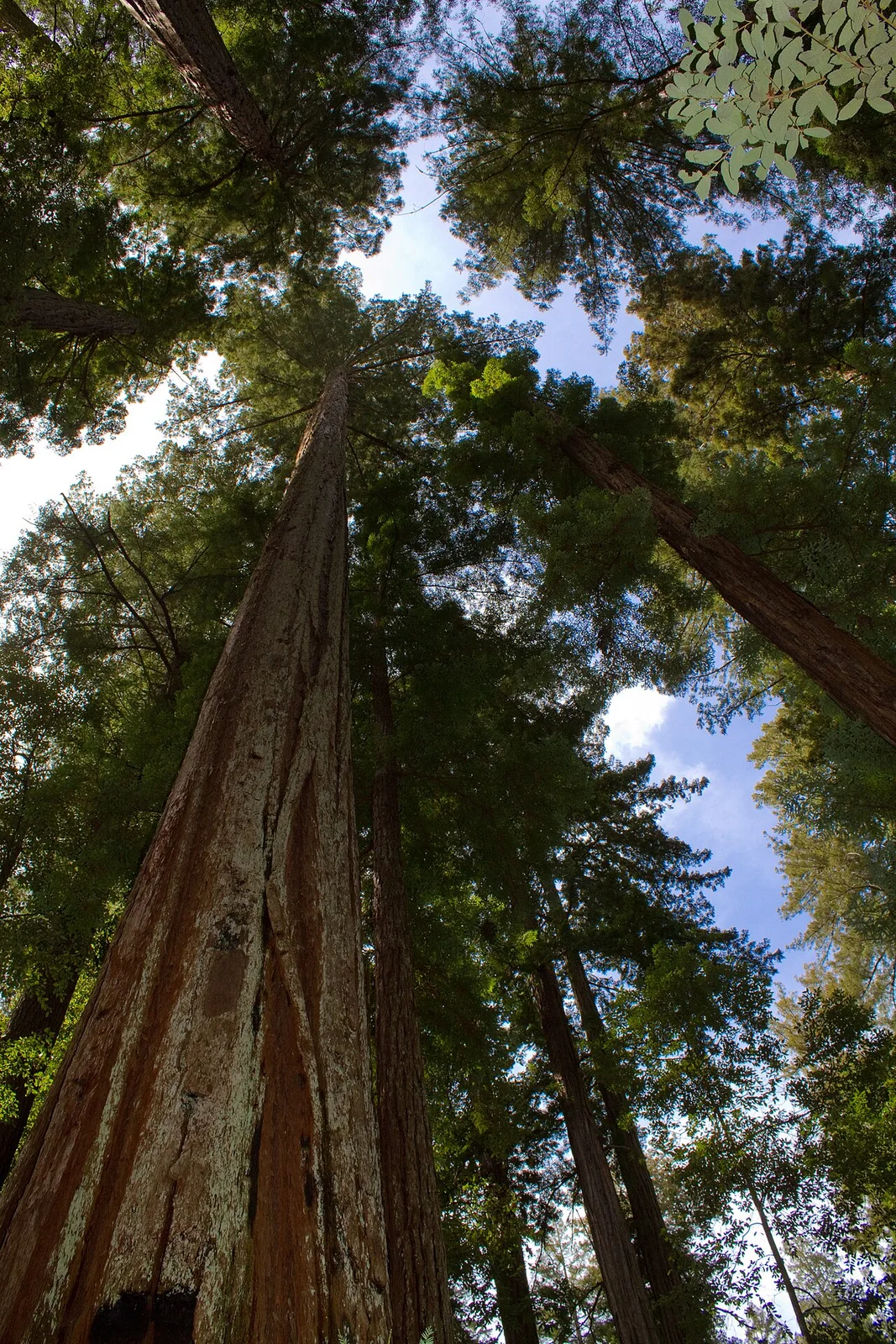 Framed for display
Explore broader group · Streptophyta ↗
NCBI Taxonomy (2026-11-05 reconciled backbone) · Taxon source ↗
Group guide
In conifers, pollen-bearing and seed-bearing structures have different functions. In a pine, pollen reaches the ovule on a developing seed cone. The seeds develop from fertilized ovules and are not enclosed in a true fruit.
Source for how cones carry the next generation ↗The coast redwood grows new trees from seeds and can also grow shoots from the root crown or stump. The ability to resprout is documented for coast redwood and varies among conifers.
Source for one conifer, two routes to regeneration ↗Within this taxon
Framed for display
Sequoia sempervirens
The coast redwood is an evergreen conifer of the Pacific coast of North America. Its forests develop in a moist coastal climate …
 Framed for display
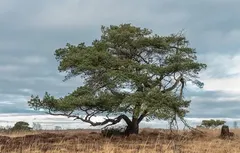
Pinus sylvestris
Scots pine is an evergreen conifer with paired needles and often orange-toned bark high on the trunk. Its broad Eurasian distribution includes …