 Living Beings
Compare species
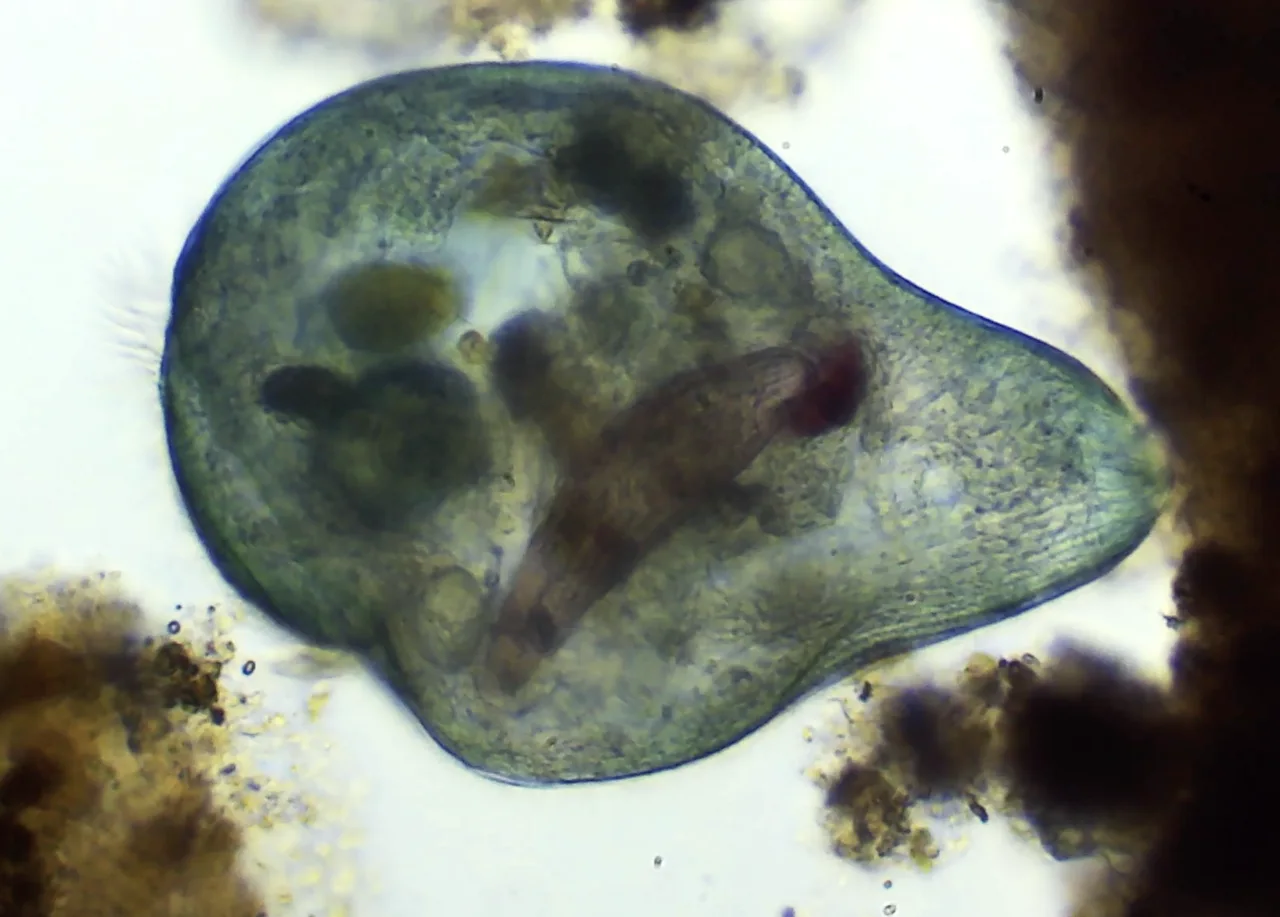
Stentor coeruleus
Stentor coeruleus
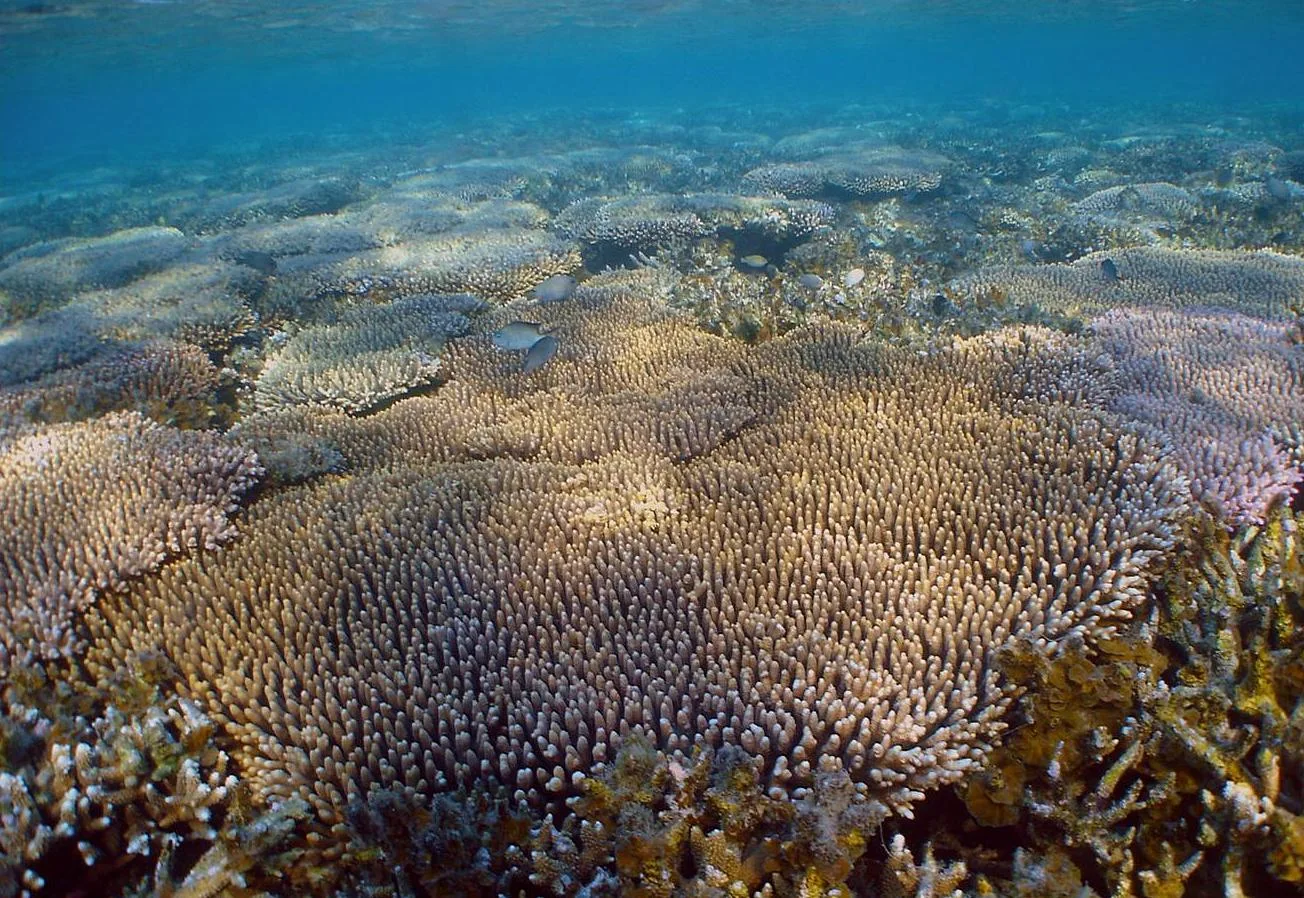
Acropora millepora
Acropora millepora
How to compare two organisms
Choose two species and trace their closest shared group. Then compare a trait with the same definition on each side. Check the units, life stage and context before interpreting a measurement or range.
Missing data means that the collection lacks a sourced value. Where a characteristic does not apply to a lineage, the comparison labels it separately. Open the two profiles for context and follow their sources before drawing a conclusion.
Evidence from the profiles
Compare their characteristics
| Trait | Stentor coeruleus | Acropora millepora |
|---|---|---|
| Physical traits | An extended cell has a pronounced front-to-back organization and a broad oral region. A contracted cell looks very different; the photograph shows a contracted individual with ingested material. | Colonies form branching structures covered by small skeletal cups that house polyps. Colony color alone is insufficient for secure species identification. |
| Habitat and range | The cited studies concern cultured ciliates and controlled experiments. They do not establish a complete geographic distribution or natural lifespan. | Shallow, well-lit marine reef environments support the coral and its photosynthetic partners. |
| Diet and nutrition | Food is taken into the cell rather than produced by green-plant photosynthesis. Its feeding apparatus is a specialized region of the same single cell. | Polyps capture small suspended food, while algal symbionts contribute photosynthetic products. |
| Behavior and activity | Experiments document contraction in response to touch, light avoidance and food selection. These responses do not require a multicellular nervous system. | Tentacles and mucus help the colony interact with surrounding seawater. Recognition mechanisms influence responses to microbes. |
| Reproduction and life cycle | Growth and cell division maintain the population. Regeneration after experimental injury is repair and reorganization, not an extra animal-like life stage. | Colonies grow by producing additional polyps. Sexual reproduction can release gametes that develop into settling larvae. |
| Geographic distribution | Data unavailable | The species occurs in the Indo-Pacific reef region. Species-level locality records should accompany detailed range mapping. |
| Ecological role | Its interactions with microbial food illustrate the complexity of unicellular life. | Skeletal growth contributes reef structure and habitat. Symbiotic interactions are central to energy supply and colony health. |
| Distinctive adaptations | After suitable experimental damage, remaining cell material can restore a proportioned form. This ability has made it valuable for studying how cells know where to build structures. | A colonial body and partnerships with photosynthetic cells support growth in well-lit reef environments. |
| Conservation | Data unavailable | Thermal stress, bleaching and degradation of reef habitat are concerns. A source on molecular recognition does not establish a current Red List category. |
Classification
Shared ancestry
Closest shared taxon: Eukaryota.