 Living Beings
Compare species
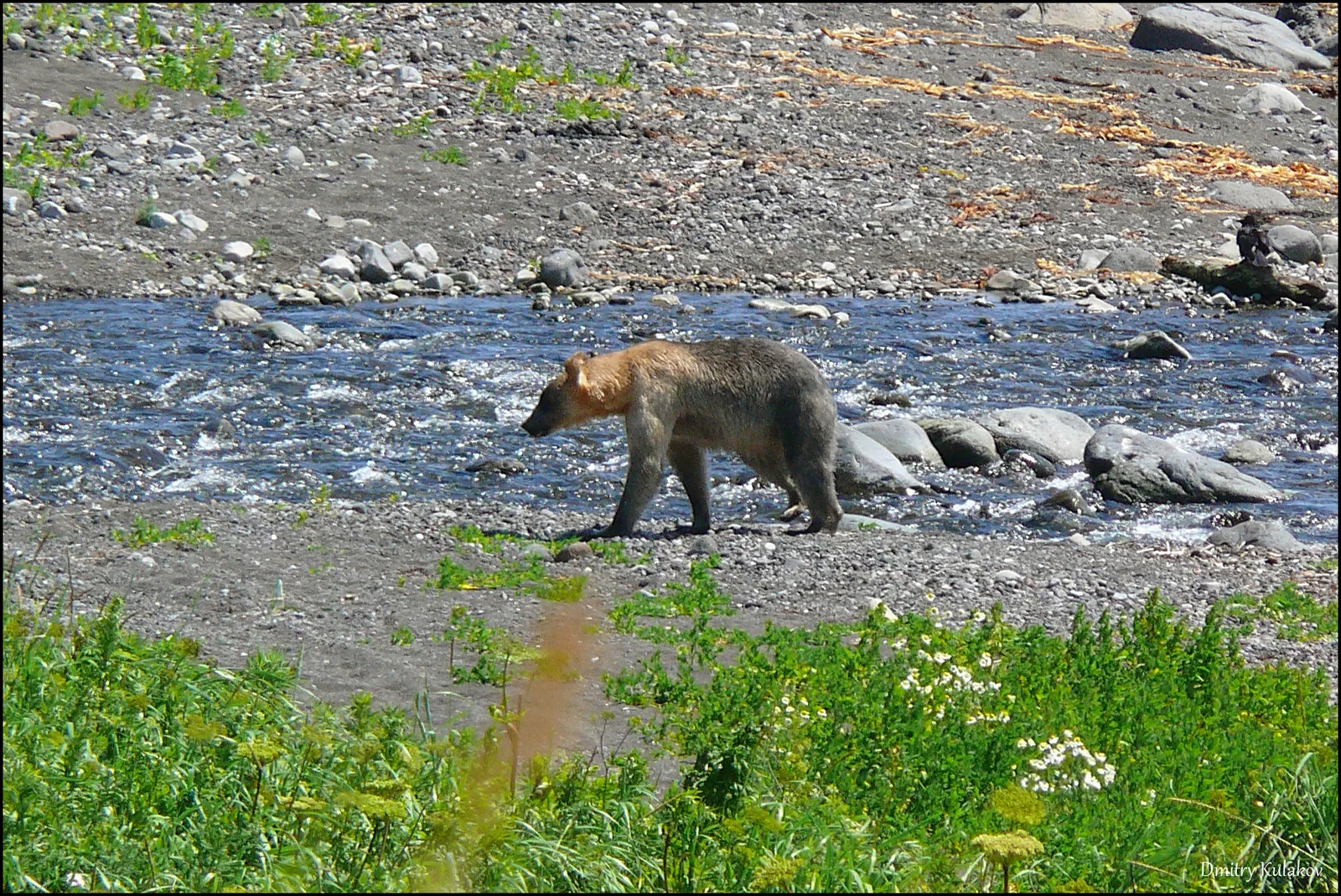
Brown Bear
Ursus arctos
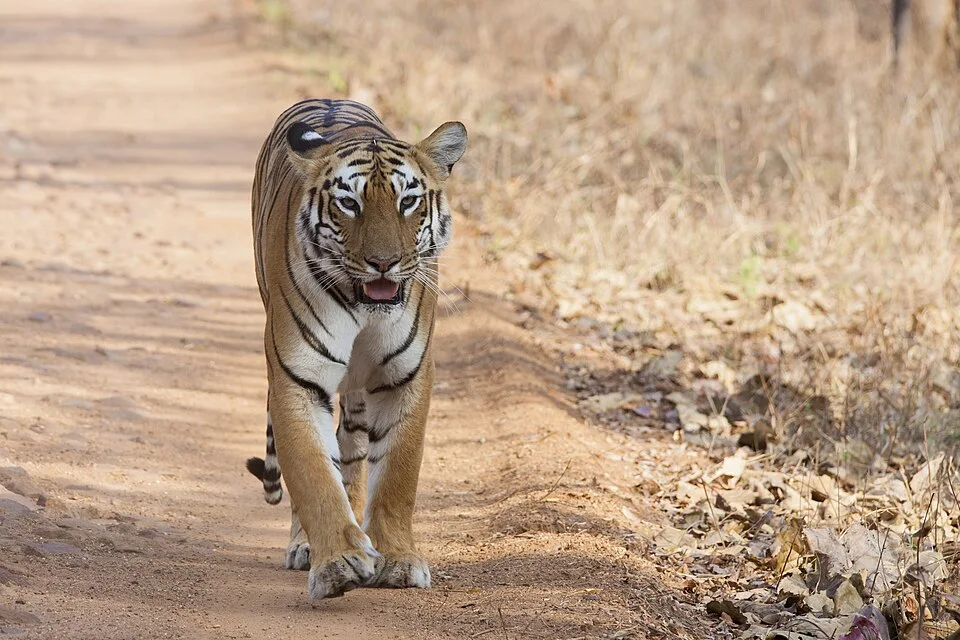
Tiger
Panthera tigris
Evidence from the profiles
Compare their characteristics
| Trait | Brown Bear | Tiger |
|---|---|---|
| Nutrition | Data unavailable | Carnivorous Source ↗ |
| Social organization | Data unavailable | Generally solitary Source ↗ |
| Physical traits | Coat shades range from pale to dark brown. Long claws and developed shoulder muscles support digging and other demanding movements. | Dark stripes break up the tiger’s outline. Stripe patterns vary from one individual to another. |
| Habitat and range | Forests, open mountain country and tundra can support bears where food and secure resting areas remain. | Tigers live in varied habitats, including tropical forests, mangrove swamps and temperate forest. |
| Diet and nutrition | Plant foods, invertebrates, fish, other vertebrates and carrion contribute in different proportions according to season and locality. | Tigers mainly hunt large mammals, including deer and wild pigs. |
| Behavior and activity | Most adults forage alone. Seasonal denning and intensive feeding before winter are important in many populations. | A tiger usually hunts by stalking its prey and attacking at close range. |
| Reproduction and life cycle | Cubs are born in the maternal den and remain dependent on their mother during an extended learning period. | Data unavailable |
| Geographic distribution | The species occurs in parts of Eurasia and North America. Populations differ considerably in size, connectivity and history. | Data unavailable |
| Ecological role | Bears redistribute nutrients through feeding, digging and movement. They can be predators, scavengers and seed dispersers. | Data unavailable |
| Distinctive adaptations | Fat storage and flexible feeding help meet strong seasonal changes in food supply. | Data unavailable |
| Conservation | Habitat fragmentation and conflict with people can threaten local populations even where the species remains widespread. | Data unavailable |
Classification
Shared ancestry
Closest shared taxon: Carnivora.
Explore the taxonomy ↗