 Living Beings

 Framed for display
Species · Ailuropoda
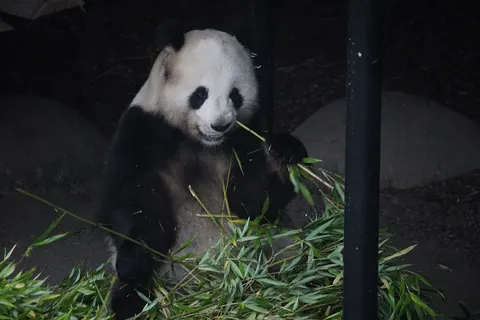
Giant Panda
Ailuropoda melanoleuca
The giant panda is a bamboo-specialist bear of Chinese mountain forests. Its familiar black-and-white appearance conceals an unusual feeding strategy: a member …
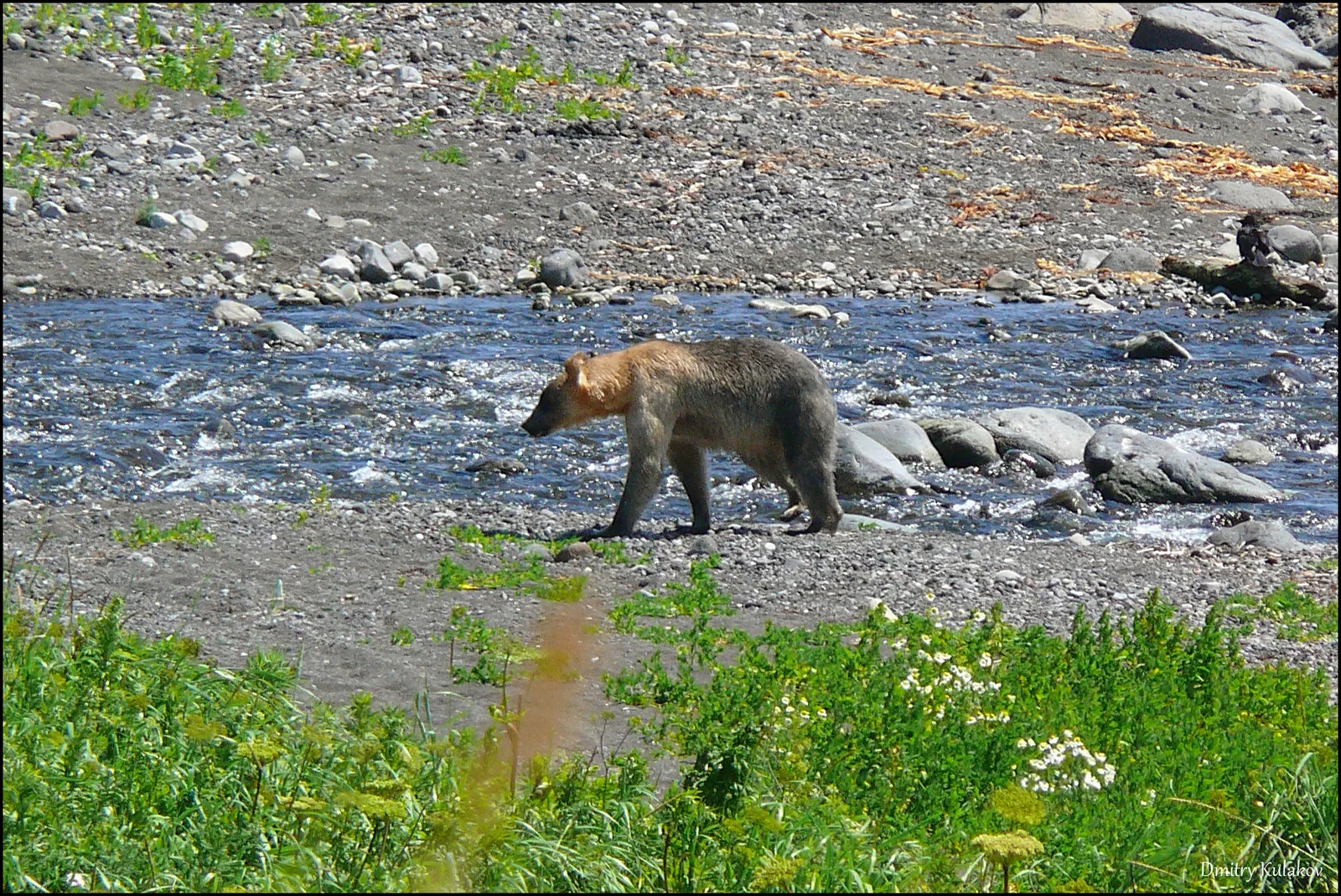
Ursus arctos 53067058.jpg · Resized and converted to WebP for display. Documentary organism photograph. AI-generated illustration. (c) Dmitry Kulakov, some rights reserved (CC BY) · CC BY 4.0
Field guide · species
Ursus arctos Linnaeus, 1758
Brown bears are large omnivores with a prominent shoulder hump and powerful forelimbs. Their diets and seasonal routines change with the foods available in different parts of their extensive range.
Public research profile · final editorial review pending.
Complete source lineage, including intermediate ranks. The standard view uses Life and the eight principal ranks.
Coat shades range from pale to dark brown. Long claws and developed shoulder muscles support digging and other demanding movements.
Forests, open mountain country and tundra can support bears where food and secure resting areas remain.
Plant foods, invertebrates, fish, other vertebrates and carrion contribute in different proportions according to season and locality.
Most adults forage alone. Seasonal denning and intensive feeding before winter are important in many populations.
Cubs are born in the maternal den and remain dependent on their mother during an extended learning period.
The species occurs in parts of Eurasia and North America. Populations differ considerably in size, connectivity and history.
Bears redistribute nutrients through feeding, digging and movement. They can be predators, scavengers and seed dispersers.
Fat storage and flexible feeding help meet strong seasonal changes in food supply.
Habitat fragmentation and conflict with people can threaten local populations even where the species remains widespread.
Shared classification
Framed for display
Ailuropoda melanoleuca
The giant panda is a bamboo-specialist bear of Chinese mountain forests. Its familiar black-and-white appearance conceals an unusual feeding strategy: a member …
 Framed for display
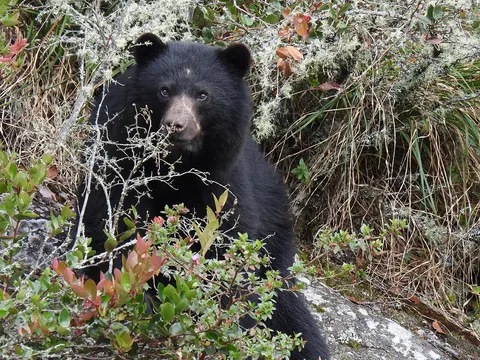
Tremarctos ornatus
The Andean bear, also called the spectacled bear, is the living bear native to South America. It connects forests and high mountain …
 Framed for display
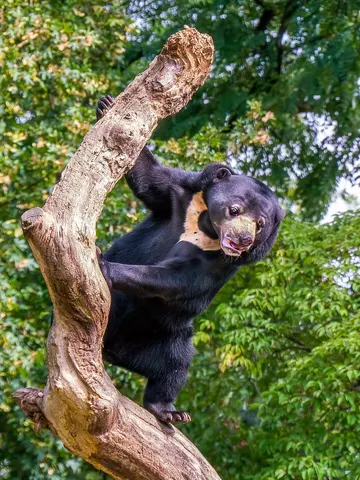
Helarctos malayanus
The sun bear is a small tropical forest bear of Southeast Asia. Curved claws, climbing ability and a long mobile tongue help …
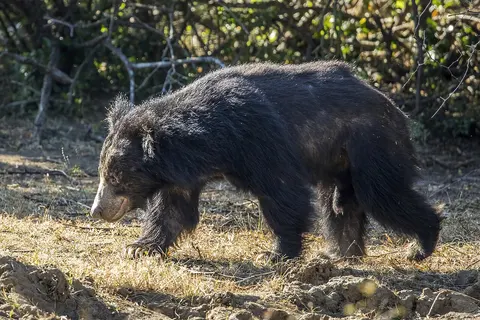 Framed for display
Melursus ursinus
The sloth bear is an insect-feeding specialist of the Indian subcontinent. Despite its name it is a bear, not a sloth, and …
Evidence
Connected life
No reviewed ecological connections in the collection yet.
Explore network ↗