 Living Beings
Compare species
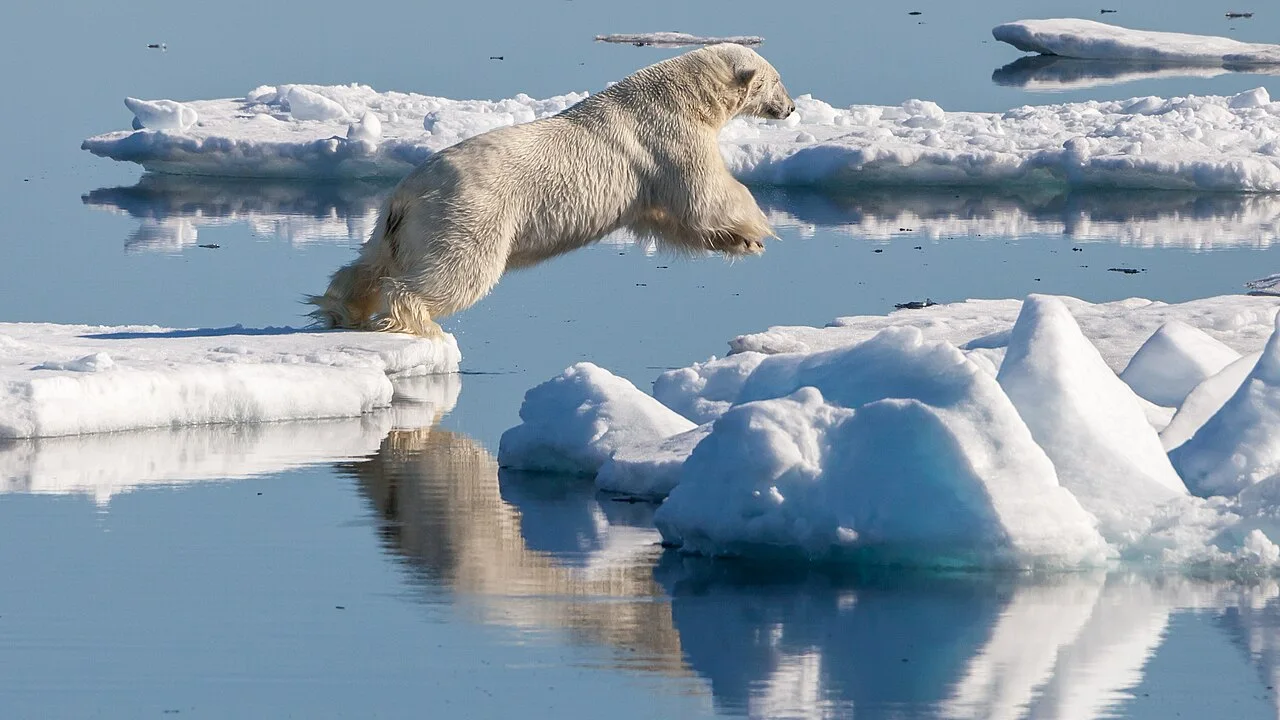
Polar Bear
Ursus maritimus
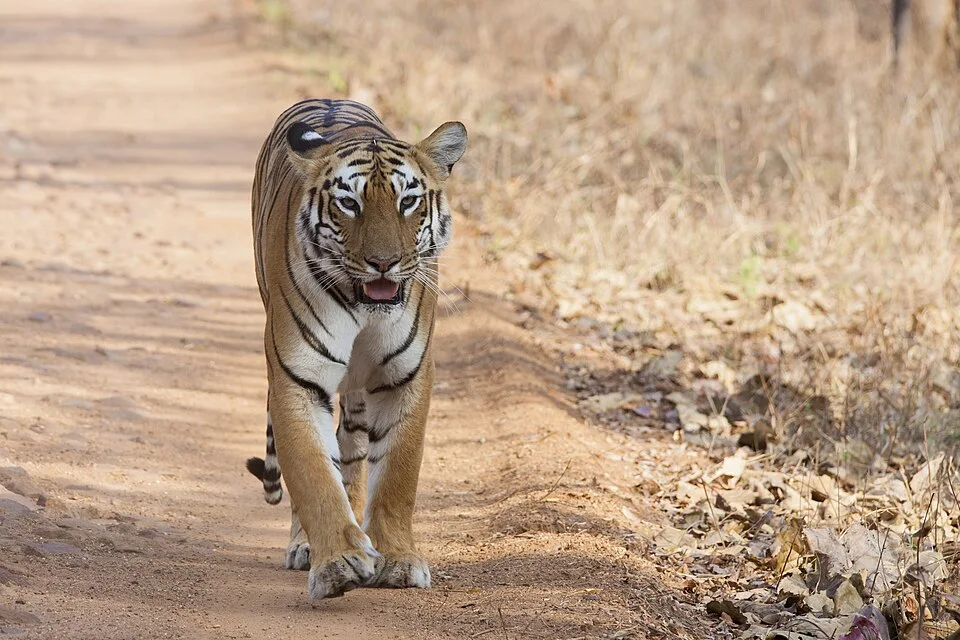
Tiger
Panthera tigris
Evidence from the profiles
Compare their characteristics
| Trait | Polar Bear | Tiger |
|---|---|---|
| Nutrition | Data unavailable | Carnivorous Source ↗ |
| Social organization | Data unavailable | Generally solitary Source ↗ |
| Physical traits | A long neck, relatively small head and pale-looking fur distinguish it from other bears. Broad feet support movement across snow and ice and assist swimming. | Dark stripes break up the tiger’s outline. Stripe patterns vary from one individual to another. |
| Habitat and range | Sea ice and the edges of Arctic marine habitats are central to hunting. Bears also use land, including coastal areas and sites for maternity dens. | Tigers live in varied habitats, including tropical forests, mangrove swamps and temperate forest. |
| Diet and nutrition | Seals are the principal prey, and energy-rich fat is particularly valuable. Bears also scavenge, but occasional alternative foods should not be mistaken for ecological replacements for seal hunting. | Tigers mainly hunt large mammals, including deer and wild pigs. |
| Behavior and activity | Adults are commonly solitary outside breeding associations and mothers with cubs. Hunting may involve waiting beside places where seals can surface. | A tiger usually hunts by stalking its prey and attacking at close range. |
| Reproduction and life cycle | Pregnant females use sheltered maternity dens, often in snow. Young are born dependent and accompany their mothers as they learn to travel and feed. | Data unavailable |
| Geographic distribution | The Mammal Diversity Database v2.5 records this species in Canada, Greenland, Norway, Russia, United States, Iceland?. | Data unavailable |
Classification
Shared ancestry
Closest shared taxon: Carnivora.
Explore the taxonomy ↗