 Living Beings

 Framed for display
Species · Ursus
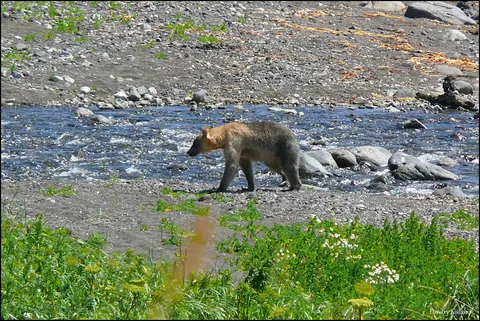
Brown Bear
Ursus arctos
Brown bears are large omnivores with a prominent shoulder hump and powerful forelimbs. Their diets and seasonal routines change with the foods …
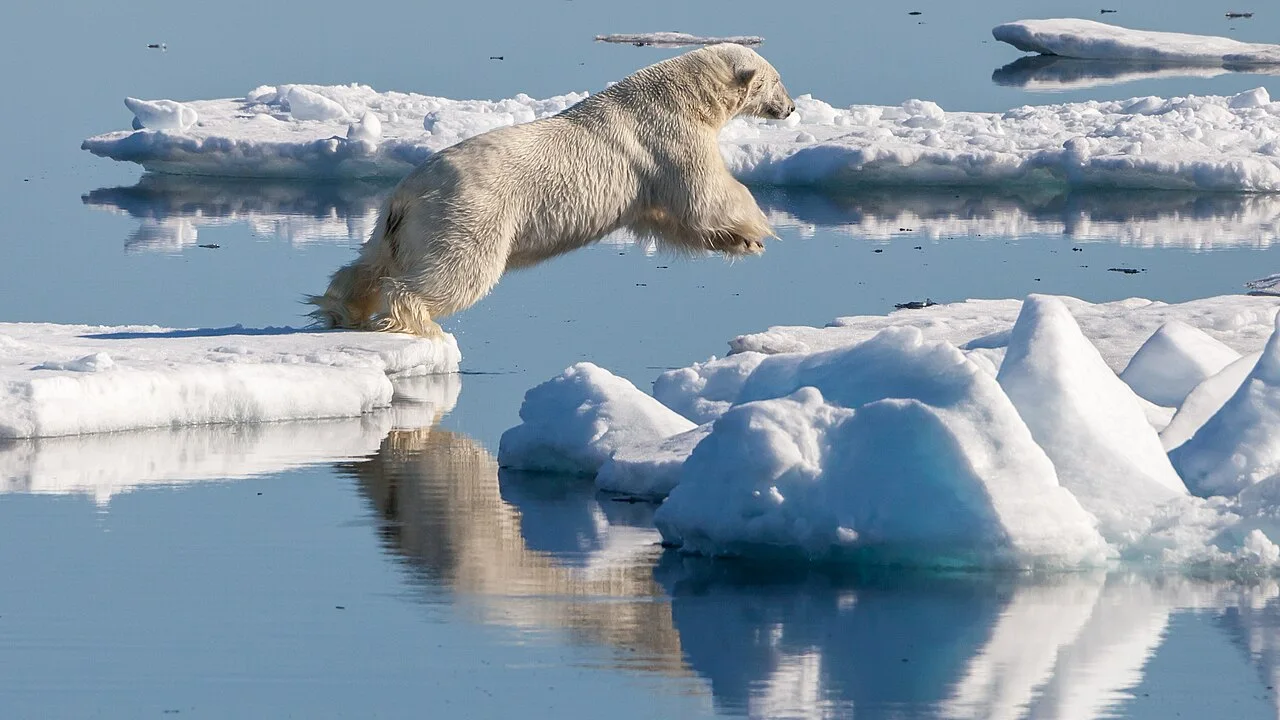
Polar bear (Ursus maritimus) in the drift ice region north of Svalbard.jpg · Resized and converted to WebP for display. AI-generated illustration. Andreas Weith · CC BY-SA 4.0
Field guide · species
Ursus maritimus
The polar bear is an Arctic predator whose feeding ecology is closely tied to sea ice. Its relationship with ice makes habitat change especially significant: ice is not just a resting surface, but a platform for reaching prey.
Public research profile · final editorial review pending.
Complete source lineage, including intermediate ranks. The standard view uses Life and the eight principal ranks.
A long neck, relatively small head and pale-looking fur distinguish it from other bears. Broad feet support movement across snow and ice and assist swimming.
Sea ice and the edges of Arctic marine habitats are central to hunting. Bears also use land, including coastal areas and sites for maternity dens.
Seals are the principal prey, and energy-rich fat is particularly valuable. Bears also scavenge, but occasional alternative foods should not be mistaken for ecological replacements for seal hunting.
Adults are commonly solitary outside breeding associations and mothers with cubs. Hunting may involve waiting beside places where seals can surface.
Pregnant females use sheltered maternity dens, often in snow. Young are born dependent and accompany their mothers as they learn to travel and feed.
The Mammal Diversity Database v2.5 records this species in Canada, Greenland, Norway, Russia, United States, Iceland?.
Shared classification
Framed for display
Ursus arctos
Brown bears are large omnivores with a prominent shoulder hump and powerful forelimbs. Their diets and seasonal routines change with the foods …
 Framed for display
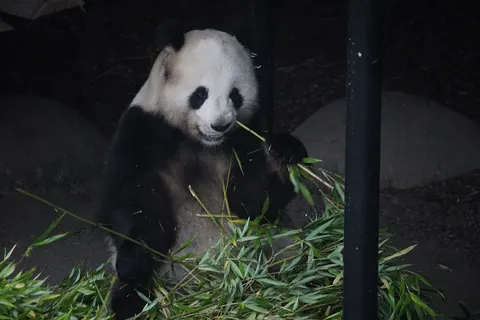
Ailuropoda melanoleuca
The giant panda is a bamboo-specialist bear of Chinese mountain forests. Its familiar black-and-white appearance conceals an unusual feeding strategy: a member …
 Framed for display
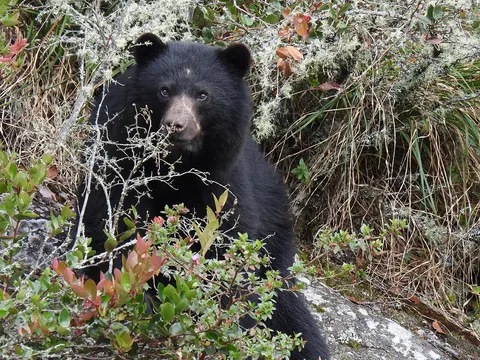
Tremarctos ornatus
The Andean bear, also called the spectacled bear, is the living bear native to South America. It connects forests and high mountain …
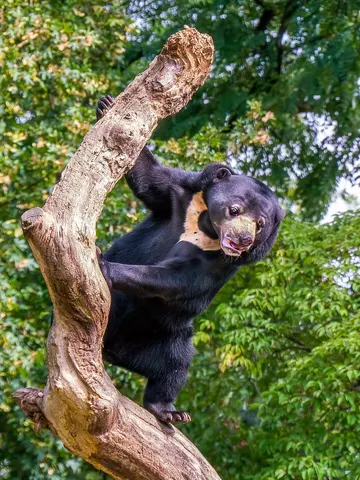 Framed for display
Helarctos malayanus
The sun bear is a small tropical forest bear of Southeast Asia. Curved claws, climbing ability and a long mobile tongue help …
Evidence
Connected life
No reviewed ecological connections in the collection yet.
Explore network ↗