 Living Beings
Compare species
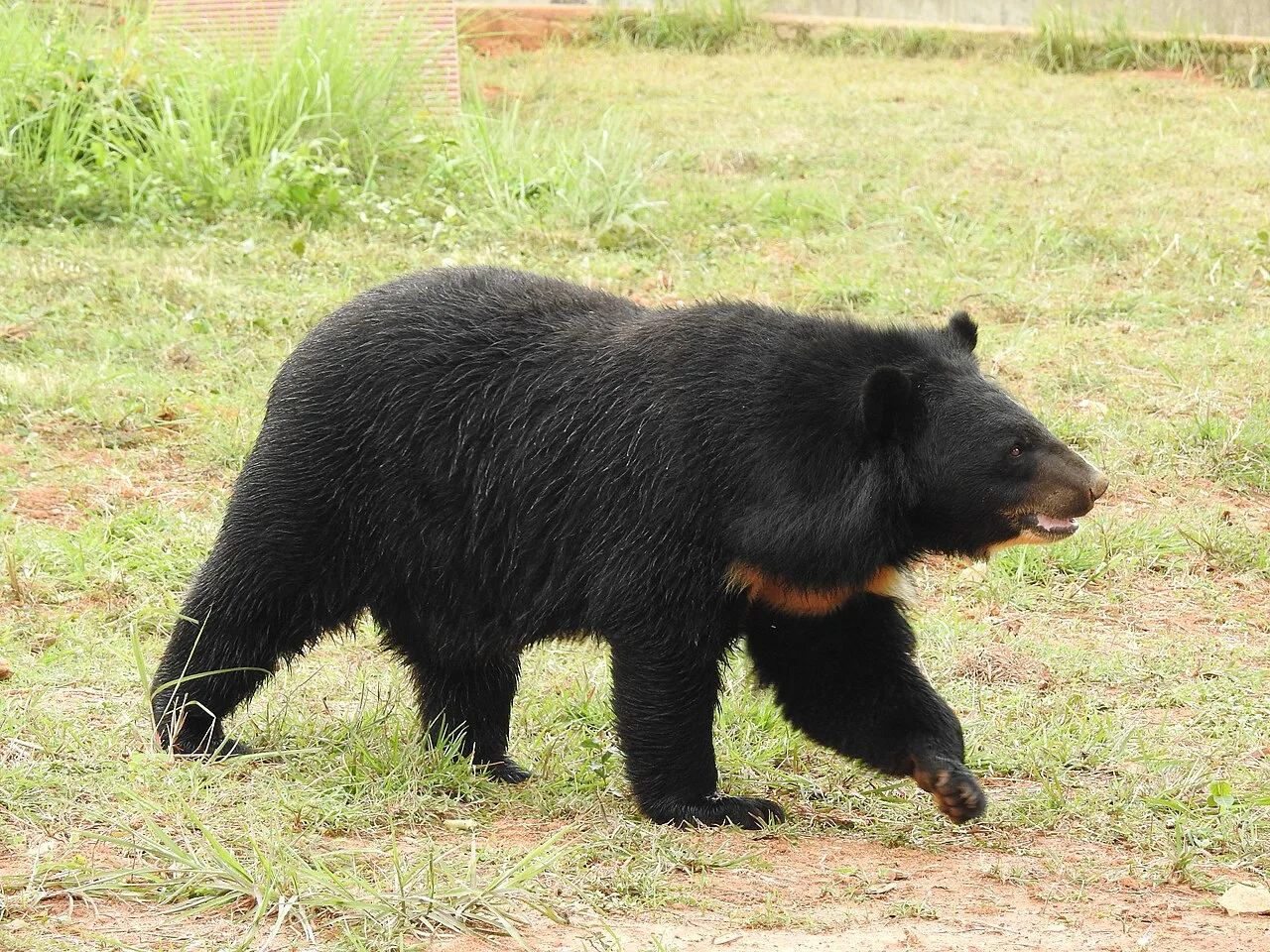
Asiatic Black Bear
Ursus thibetanus
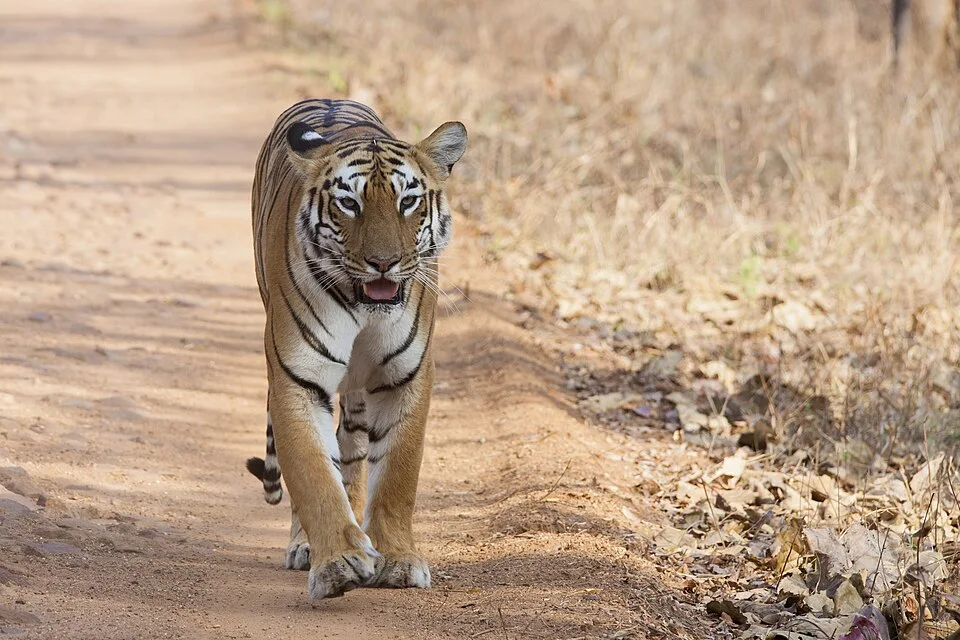
Tiger
Panthera tigris
Evidence from the profiles
Compare their characteristics
| Trait | Asiatic Black Bear | Tiger |
|---|---|---|
| Nutrition | Data unavailable | Carnivorous Source ↗ |
| Social organization | Data unavailable | Generally solitary Source ↗ |
| Physical traits | The coat is usually dark with a conspicuous pale chest patch. Rounded ears, a short tail and strong climbing limbs contribute to its characteristic appearance. | Dark stripes break up the tiger’s outline. Stripe patterns vary from one individual to another. |
| Habitat and range | Forested mountains and other densely vegetated habitats provide cover and seasonal foods. Elevational movements can track changing conditions and food availability. | Tigers live in varied habitats, including tropical forests, mangrove swamps and temperate forest. |
| Diet and nutrition | Fruit, nuts, insects and other animal and plant foods are eaten. Diet varies among places and seasons rather than following a single fixed menu. | Tigers mainly hunt large mammals, including deer and wild pigs. |
| Behavior and activity | Asiatic black bears climb and swim effectively. Their activity schedule can change with season and human disturbance, including shifts when feeding near cultivated areas. | A tiger usually hunts by stalking its prey and attacking at close range. |
| Reproduction and life cycle | Females care for dependent cubs. Reproductive observations from captivity should be distinguished from findings about free-ranging populations. | Data unavailable |
| Geographic distribution | The Mammal Diversity Database v2.5 records this species in Afghanistan, Bangladesh, Bhutan, Cambodia, China, India, Iran, Japan, Laos, Myanmar, Nepal, North Korea, Pakistan, Russia, South Korea, Taiwan, Thailand, Vietnam. | Data unavailable |
Classification
Shared ancestry
Closest shared taxon: Carnivora.
Explore the taxonomy ↗