 Living Beings

 Framed for display
Species · Ursus
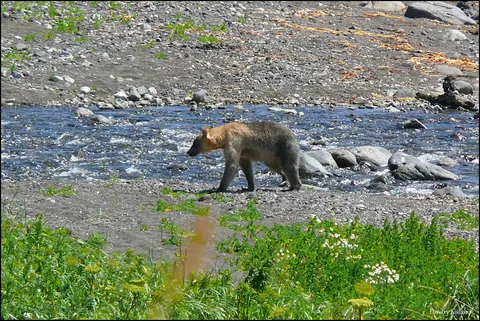
Brown Bear
Ursus arctos
Brown bears are large omnivores with a prominent shoulder hump and powerful forelimbs. Their diets and seasonal routines change with the foods …
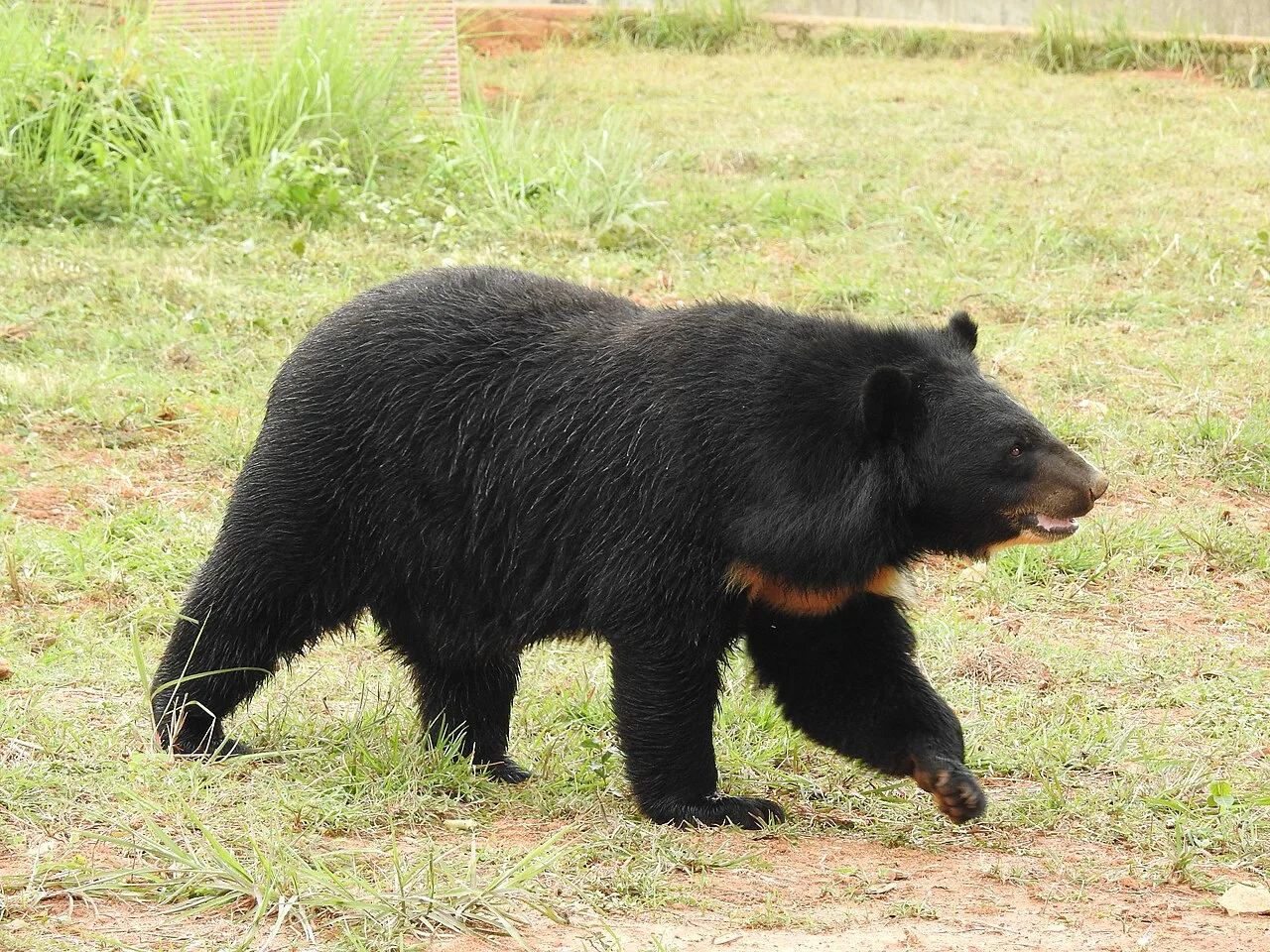
Asian Black Bear Ursus thibetanus by Dr. Raju Kasambe 01.jpg · Resized and converted to WebP for display. AI-generated illustration. Dr. Raju Kasambe · CC BY-SA 4.0
Field guide · species
Ursus thibetanus
The Asiatic black bear is a forest-dwelling bear recognized by a pale chest crescent. It combines climbing ability with a varied diet, using resources both in trees and on the ground.
Public research profile · final editorial review pending.
Complete source lineage, including intermediate ranks. The standard view uses Life and the eight principal ranks.
The coat is usually dark with a conspicuous pale chest patch. Rounded ears, a short tail and strong climbing limbs contribute to its characteristic appearance.
Forested mountains and other densely vegetated habitats provide cover and seasonal foods. Elevational movements can track changing conditions and food availability.
Fruit, nuts, insects and other animal and plant foods are eaten. Diet varies among places and seasons rather than following a single fixed menu.
Asiatic black bears climb and swim effectively. Their activity schedule can change with season and human disturbance, including shifts when feeding near cultivated areas.
Females care for dependent cubs. Reproductive observations from captivity should be distinguished from findings about free-ranging populations.
The Mammal Diversity Database v2.5 records this species in Afghanistan, Bangladesh, Bhutan, Cambodia, China, India, Iran, Japan, Laos, Myanmar, Nepal, North Korea, Pakistan, Russia, South Korea, Taiwan, Thailand, Vietnam.
Shared classification
Framed for display
Ursus arctos
Brown bears are large omnivores with a prominent shoulder hump and powerful forelimbs. Their diets and seasonal routines change with the foods …
 Framed for display
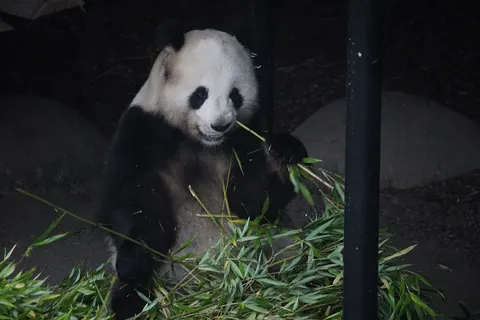
Ailuropoda melanoleuca
The giant panda is a bamboo-specialist bear of Chinese mountain forests. Its familiar black-and-white appearance conceals an unusual feeding strategy: a member …
 Framed for display
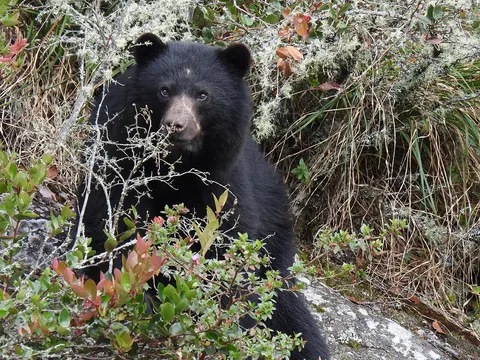
Tremarctos ornatus
The Andean bear, also called the spectacled bear, is the living bear native to South America. It connects forests and high mountain …
 Framed for display
Helarctos malayanus
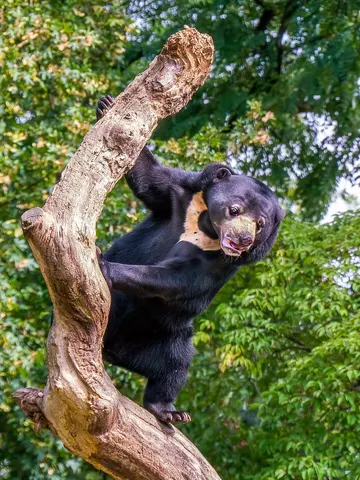
The sun bear is a small tropical forest bear of Southeast Asia. Curved claws, climbing ability and a long mobile tongue help …
Evidence
Connected life
No reviewed ecological connections in the collection yet.
Explore network ↗